
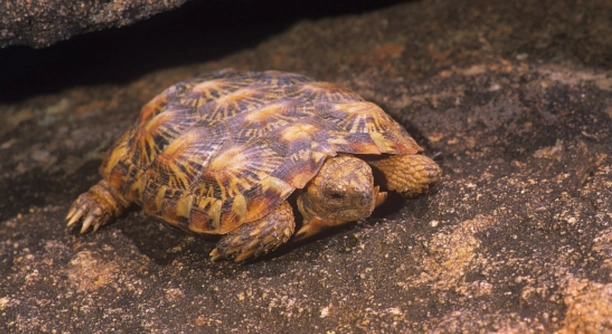
Adding plants to a pancake tortoise habitat can enhance both their living environment and overall well-being. The right plants offer shelter, nutrition, and aesthetic appeal, providing both physical and mental stimulation for the tortoises.
Several plants are safe and beneficial for pancake tortoises, providing them with food, shelter, and enrichment. These plants should be non-toxic and easy to maintain. Suitable options include grasses, herbs, and other desert-friendly varieties that thrive in warm environments.
These plants will contribute to a healthy habitat for your pancake tortoise.
Benefits of Adding Safe Plants to Your Pancake Tortoise Habitat
Plants provide various benefits to pancake tortoises, from promoting their natural behaviors to offering food and shade. When you choose the right plants, they can replicate the tortoise’s natural habitat, allowing for a more comfortable and enriching environment. Providing plants not only helps create a more visually appealing space but also contributes to the well-being of your tortoise. They can use the plants for hiding spots, climbing opportunities, and even for nibbling if they enjoy eating plants.
By selecting plants that thrive in your tortoise’s specific habitat conditions, you ensure that the plants will stay healthy and provide continuous benefits. Plants like dandelions, clover, and grasses mimic the tortoises’ native habitat. These plants also support natural behaviors, such as foraging and exploring.
Proper care and maintenance of these plants will keep your tortoise’s habitat both safe and attractive. Be sure to research specific plant types before introducing them to avoid any toxic plants that could harm your pet.
Choosing the Right Plants
When selecting plants, it’s essential to avoid toxic varieties and choose those that can withstand the specific conditions of your tortoise’s environment.
There are several non-toxic plants that can easily be added to your pancake tortoise’s habitat. Some popular options include grasses, dandelions, clover, and various edible herbs like basil and thyme. These plants can be easily sourced and provide a more natural setting for your tortoise. They also offer nutritional benefits and help maintain humidity levels within the habitat.
Best Plants for a Pancake Tortoise Habitat
Grasses are a safe and natural addition to your pancake tortoise habitat. They offer space for hiding, climbing, and foraging, all of which are essential for your tortoise’s mental and physical stimulation.
Common grass varieties like Bermuda and Timothy are ideal choices for tortoises. They’re non-toxic and easy to maintain, creating a perfect environment for your pet. Grass also acts as a natural food source, encouraging healthy behaviors like grazing. Make sure the grass is kept pesticide-free for safety, and avoid overgrazing to allow the plants to grow back.
By adding grass, you provide a soft and supportive surface for your tortoise to walk and rest. It also helps to regulate humidity levels within the habitat, benefiting your pancake tortoise’s overall health.
Growing Edible Plants
Edible plants are a great way to provide both nutrition and enrichment for your pancake tortoise. These plants can supplement their diet while giving them a more varied environment.
Certain herbs, like basil, oregano, and thyme, are safe for tortoises. These plants are easy to grow and maintain. They can be placed directly in the habitat or grown in separate containers. These edible options encourage tortoises to forage and graze, which helps keep them active. Moreover, these herbs can be used for supplemental feeding when you need to offer variety to their diet.
These plants offer a natural way to support your tortoise’s health. They help improve digestion and provide essential vitamins and minerals.
Safe Flower Options for Your Pancake Tortoise
Certain flowers can also be included in your pancake tortoise’s habitat. Flowers like pansies, dandelions, and hibiscus are non-toxic and add color to the environment.
These flowers can be a great addition, offering your tortoise more foraging opportunities. Flowers also attract beneficial insects, contributing to a balanced ecosystem in the habitat. Just ensure that the flowers are pesticide-free to avoid any harm to your pet.
Adding flowers to the habitat will not only make it visually appealing but also provide a more natural, stimulating environment for your tortoise. They can nibble on the petals, helping to meet their dietary needs.
Non-toxic Shrubs and Bushes
Non-toxic shrubs and bushes add structure and variety to the habitat. Options like rosemary and sage bushes are safe and easy to grow.
Shrubs like rosemary can provide shaded spots for your tortoise to rest. They also give your tortoise a space to explore and climb, mimicking the natural habitat of wild tortoises. These bushes will not only enhance the space but also help with humidity regulation.
These plants should be carefully placed, making sure there’s enough space for the tortoise to move around freely.
FAQ
What plants are toxic to pancake tortoises?
It’s important to avoid plants that are harmful to tortoises. Some common toxic plants include azaleas, lilies, and oleander. These can cause serious health issues like vomiting, diarrhea, and even death. Always research a plant before adding it to your tortoise’s habitat to ensure it is non-toxic. You should also avoid houseplants like pothos and peace lilies, which are toxic to many reptiles, including tortoises.
Can pancake tortoises eat all types of grass?
Not all grasses are suitable for pancake tortoises. Grasses that are grown with pesticides or chemicals should be avoided, as they could harm your tortoise. Stick to natural grasses like Bermuda, Timothy, and ryegrass, which are safe and nutritious. Be sure to remove any grass that has been chemically treated or sprayed with herbicides.
How often should I replace the plants in my tortoise’s habitat?
Plants in your tortoise’s habitat should be regularly checked for signs of damage or wilting. If they are overgrazed or unhealthy, replace them immediately. Fresh plants will ensure your tortoise always has access to natural food sources. On average, you should replace plants every few weeks, depending on the growth rate and the tortoise’s activity level. Regular maintenance is key to keeping the habitat safe and healthy.
Can pancake tortoises eat flowers from the garden?
Yes, pancake tortoises can safely eat certain flowers, but it’s important to choose non-toxic varieties. Flowers like dandelions, pansies, and hibiscus are good options. Avoid flowers like daffodils, tulips, or any others you may find in your garden that are known to be harmful to reptiles. Always double-check the safety of any flowers before offering them to your tortoise.
What kind of soil is best for pancake tortoise habitats?
The soil in a pancake tortoise habitat should be dry and sandy, mimicking the natural desert environment they are used to. A mix of sand, organic matter, and some gravel will provide a safe and comfortable substrate. Avoid overly moist soil, as it can cause respiratory issues for your tortoise. Regularly check the humidity levels to make sure they are within a safe range for your pet.
Can I grow edible plants indoors for my tortoise?
Yes, you can grow edible plants indoors, but it’s essential to make sure they receive enough sunlight. Growing herbs like basil, thyme, and oregano on a sunny windowsill can provide fresh, safe food for your pancake tortoise. If you’re unable to provide enough natural sunlight, consider using a grow light to ensure the plants thrive indoors. Indoor plants should be carefully monitored for pests and should not be treated with chemicals.
Are there any plants that help maintain humidity in a tortoise habitat?
Yes, certain plants can help maintain humidity levels in the habitat. Ferns and tropical plants, such as the spider plant and pothos, can help regulate the environment’s moisture. However, these should be used cautiously and in moderation. Too much humidity can cause respiratory problems for your tortoise. Make sure to keep the habitat well-ventilated and check humidity levels regularly.
Can pancake tortoises eat weeds from the yard?
While some weeds are safe for tortoises, it’s essential to know which ones are safe and which ones are harmful. Weeds like clover, dandelions, and plantain are good choices for feeding your tortoise. However, weeds found in your yard could have been exposed to pesticides or other chemicals, so make sure they are free of contaminants before offering them to your tortoise. Always wash the weeds thoroughly before serving them.
What should I do if my tortoise refuses to eat the plants?
If your pancake tortoise refuses to eat the plants in its habitat, it could be a sign of stress, illness, or environmental issues. Check the temperature, humidity, and overall habitat conditions. Ensure there are no toxic plants or other stressors in the environment. You may need to offer different types of plants to see if they prefer other options, such as grasses or herbs. If the lack of appetite continues, consult with a veterinarian to rule out any underlying health problems.
Can I use artificial plants in my tortoise’s habitat?
While artificial plants won’t provide food or nutrients, they can be a good way to add visual variety to the habitat. However, you should avoid sharp or rough artificial plants that could injure your tortoise. Ensure that any artificial plants used are safe, non-toxic, and do not pose any risk of being chewed on and ingested. It’s always better to focus on real, edible plants for your tortoise’s diet and use artificial plants for aesthetic purposes only.
How much space do I need for plants in my tortoise’s habitat?
The amount of space for plants in your tortoise’s habitat depends on the size of the enclosure and how many plants you intend to add. Ensure there is plenty of open space for your tortoise to move around comfortably. Plants should not overcrowd the habitat or limit your tortoise’s ability to explore. Place plants in areas that encourage movement and allow your tortoise to interact with them naturally. This will provide a more enriching environment without overcrowding the space.
Final Thoughts
Creating a suitable habitat for your pancake tortoise requires careful planning, especially when it comes to choosing the right plants. By selecting safe, non-toxic plants, you can provide a more natural environment for your tortoise to thrive. Adding plants not only enhances the visual appeal of the habitat but also supports the tortoise’s health by offering natural food sources. Be sure to choose plants that are easy to maintain, as this will help reduce the chances of any plant-related health issues. Regularly check the plants for any signs of damage or disease to ensure they are safe for your tortoise.
The process of selecting plants should also involve considering your tortoise’s specific needs. Pancake tortoises come from dry, desert-like environments, so it is important to focus on plants that align with this. Non-toxic grasses, edible flowers, and safe shrubs will allow your tortoise to interact with their environment naturally. However, always be cautious about the use of chemicals or pesticides on plants, as these can harm your tortoise. Choose plants that are both safe and beneficial, creating a balance that supports your tortoise’s overall well-being.
Remember, the health and comfort of your tortoise should always be the top priority. As you set up their habitat, take the time to research each plant, ensuring it aligns with the needs of your pancake tortoise. A well-planted habitat can provide your tortoise with the proper food, shelter, and stimulation needed to live a happy, healthy life. Whether you are using plants for their edible qualities or as natural decor, each plant choice should contribute positively to the habitat’s environment.

Hello,
If you enjoy the content that we create, please consider saying a "Thank You!" by leaving a tip.
Every little bit helps us continue crafting quality advice that supports the health, happiness, and well-being of pets around the world, for pets of all shapes, sizes, and species.
We really appreciate the kindness and support that you show us!