
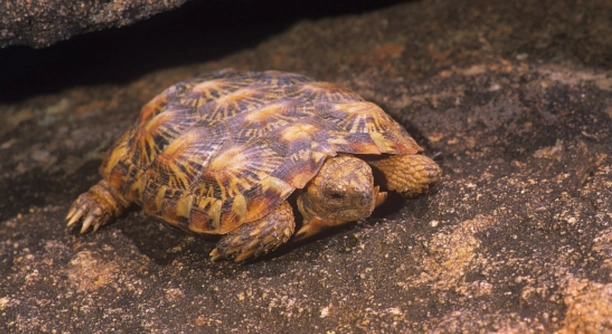
A healthy diet is essential for the well-being of your pancake tortoise. While offering a variety of foods, supplements can fill in the nutritional gaps to keep your pet strong and vibrant. The right additions can enhance their overall health.
Choosing the best supplements for a pancake tortoise diet is crucial for meeting their specific nutritional needs. Calcium, multivitamins, and other targeted supplements can ensure they receive the proper balance of vitamins and minerals required for growth and shell health.
By incorporating these key supplements, you can better support your pancake tortoise’s long-term health and vitality. Understanding the ideal choices will help you make informed decisions for a balanced diet.
Essential Supplements for Pancake Tortoises
Providing a well-rounded diet for your pancake tortoise is more than just offering fresh vegetables and fruits. Supplements play a vital role in ensuring your tortoise gets all the necessary nutrients it needs for optimal health. While their natural diet includes some vitamins and minerals, supplementation fills any gaps that might exist in their intake. Calcium is especially crucial, as it helps in the development of strong bones and a healthy shell. Without proper calcium, your tortoise may experience metabolic bone disease or shell deformities. A good multivitamin is also important for overall health and immune system support.
For calcium, look for powder supplements that are easy to sprinkle over food. Additionally, a reptile-specific multivitamin can help provide essential nutrients such as vitamin A and D. These vitamins are critical for vision, skin health, and immune function. Offering these in small amounts, twice a week, is often enough to provide a well-balanced diet for your tortoise.
It’s important not to over-supplement, as excess calcium can lead to kidney problems. Always check the labels on supplements to ensure they are formulated specifically for reptiles, as the needs of pancake tortoises are different from other pets. Regularly changing up your tortoise’s food sources can also help to keep their diet balanced.
Choosing the Right Calcium Supplement
When selecting a calcium supplement, ensure that it contains no phosphorus. Phosphorus can inhibit calcium absorption, making the supplement ineffective. Choose one that contains vitamin D3 as well. Vitamin D3 helps with calcium absorption in the tortoise’s system, further supporting healthy shell development.
Many options are available, including calcium powder or cuttlebone. Both provide a simple, effective way to ensure your tortoise is getting the proper nutrients. Cuttlebone can be offered whole, allowing your tortoise to nibble on it throughout the day. Meanwhile, powdered supplements can be mixed with food for easy consumption.
Vitamin Supplements for Pancake Tortoises
Vitamin supplements are key to a healthy diet for pancake tortoises. They help in supporting immune function and promoting skin and shell health. A quality reptile multivitamin is recommended, providing essential nutrients like vitamin A and D. These vitamins play crucial roles in maintaining vision, skin, and immune health.
Vitamin A deficiency can lead to poor eyesight and skin problems, while vitamin D helps with calcium absorption. To avoid deficiencies, it’s recommended to offer multivitamins every other week. Over-supplementing can cause harm, so stick to the recommended dosage to ensure a balanced diet. Some multivitamins contain both, making it easier to meet your tortoise’s nutritional needs.
Before choosing a supplement, make sure it’s specifically designed for reptiles. Avoid human supplements, as they may not contain the right balance of nutrients. A good reptile multivitamin is safe, effective, and designed to meet your tortoise’s unique needs. Offering a variety of foods alongside these supplements will keep your pet healthy and active.
Omega-3 Fatty Acids and Their Benefits
Omega-3 fatty acids are crucial for your pancake tortoise’s diet, as they promote healthy brain function and reduce inflammation. These fatty acids are naturally found in certain leafy greens, but supplements can help ensure your tortoise gets enough. Fish oil or flaxseed oil are commonly used for reptile supplementation.
Adding omega-3s can improve your tortoise’s skin and coat health, helping to prevent dryness or flakiness. These fatty acids also contribute to a stronger immune system, which is essential for keeping your tortoise healthy in the long term. Make sure to use these supplements sparingly, as excess oil can lead to digestive issues.
While offering omega-3-rich foods like kale or flax seeds can be beneficial, a supplement ensures consistency. Choose a high-quality fish oil or plant-based alternative that’s designed for reptiles. Adding just a few drops to your tortoise’s meals can help enhance overall health without overwhelming their diet.
Probiotics for Digestive Health
Probiotics can significantly benefit your pancake tortoise’s digestive system. These beneficial bacteria help maintain a healthy gut, aiding in the breakdown of food and absorption of nutrients. Probiotics also prevent harmful bacteria from overgrowing, ensuring your tortoise’s digestive health remains balanced.
A good probiotic supplement can prevent issues like bloating, constipation, and other gastrointestinal problems. Adding a probiotic to their diet will help keep their digestive system running smoothly. These supplements are often available in powder or liquid form, making it easy to mix with their food. Choose a reptile-specific product to ensure safety and effectiveness.
Boosting Immunity with Zinc and Selenium
Zinc and selenium are essential trace minerals that support the immune system. These nutrients help to prevent infections and promote healthy cell function. Offering these supplements in small, recommended doses helps maintain a balanced immune system, ensuring your tortoise stays strong.
Both minerals also support skin and shell health. Zinc is essential for healing wounds and maintaining the integrity of the skin. Selenium acts as an antioxidant, helping to protect cells from damage caused by free radicals. Together, they ensure your tortoise remains resilient against illnesses.
FAQ
What are the best supplements for a pancake tortoise diet?
The best supplements for a pancake tortoise diet include calcium, multivitamins, and omega-3 fatty acids. Calcium is vital for bone and shell health, while multivitamins provide essential vitamins like A and D for overall well-being. Omega-3s support healthy skin and brain function. Always choose supplements specifically designed for reptiles to ensure they meet your tortoise’s needs.
How often should I supplement my pancake tortoise’s diet?
Supplements should be added to your pancake tortoise’s diet regularly but not excessively. Calcium supplements can be offered two to three times a week, while multivitamins are typically given every other week. Omega-3 supplements can be provided once a week or as needed, depending on your tortoise’s specific diet and health needs. Over-supplementing can cause health issues, so always follow recommended dosages.
Can I use human supplements for my pancake tortoise?
Human supplements are not recommended for reptiles. While some human vitamins might seem similar, reptile-specific supplements are formulated with the right balance of nutrients for their unique needs. Human supplements may contain additives or incorrect ratios that could be harmful to your tortoise. Stick to reptile-specific products to ensure their health.
Is it necessary to give my pancake tortoise vitamin D supplements?
Vitamin D is essential for calcium absorption, which is crucial for the health of your pancake tortoise’s bones and shell. While some natural sunlight will provide vitamin D, many tortoises, especially those kept indoors, may require supplementation. A reptile multivitamin containing vitamin D3 can help ensure they get enough of this important nutrient. However, always follow dosage recommendations to avoid toxicity.
How can I tell if my pancake tortoise needs supplements?
Signs that your pancake tortoise may need supplements include shell deformities, weakness, poor appetite, or slow growth. If you notice these symptoms, it may be time to adjust their diet or consult a reptile vet to ensure they are getting the proper nutrients. Regularly offering a balanced diet with appropriate supplements can help prevent these issues.
Are there any risks associated with over-supplementing my pancake tortoise?
Yes, over-supplementing your pancake tortoise’s diet can lead to health problems. Excess calcium can cause kidney damage, while too much vitamin D3 can result in toxicity and calcium imbalances. It is essential to follow the recommended dosages and avoid giving supplements more frequently than needed. Regularly monitor your tortoise’s health and consult a vet if you notice any unusual symptoms.
Can I give my pancake tortoise cuttlebone as a supplement?
Yes, cuttlebone is an excellent natural source of calcium for pancake tortoises. It’s easy for them to nibble on and provides a steady source of calcium without the risk of over-supplementation. Offer a piece of cuttlebone in their enclosure and replace it when it becomes worn down. This is a safe and effective way to support their calcium intake.
What should I do if my pancake tortoise refuses supplements?
If your pancake tortoise refuses supplements, try mixing the supplement into their food or offering it in a different form, such as powder or liquid. Some tortoises can be picky, but it’s important to ensure they get the nutrients they need. You can also try offering different food sources that naturally contain the missing nutrients. If refusal continues, consult with a reptile vet to address any potential underlying issues.
Can I use flaxseed oil as an omega-3 supplement?
Flaxseed oil is a good plant-based alternative for omega-3 supplementation in pancake tortoises. It provides essential fatty acids that support skin and brain health. If your tortoise doesn’t consume fish-based products, flaxseed oil can be a suitable option. Be sure to use only a small amount to avoid digestive issues, as too much oil can upset their stomach.
Is it necessary to provide a varied diet with supplements?
Yes, a varied diet is essential even when supplements are added. Offering a variety of vegetables, greens, and occasional fruits ensures that your pancake tortoise receives a broad spectrum of nutrients. Supplements should complement their natural diet, not replace it. A balanced diet, combined with the right supplements, supports their overall health and well-being.
Are there any supplements that can improve my pancake tortoise’s shell health?
Calcium and vitamin D3 are the most important supplements for shell health. Calcium helps maintain the integrity of the shell, while vitamin D3 ensures proper calcium absorption. Regularly offering these supplements can prevent shell deformities and other related health issues. Be sure to provide a proper balance of both to keep your tortoise’s shell healthy and strong.
Final Thoughts
Maintaining a healthy diet for your pancake tortoise is essential for its overall well-being. A balanced mix of fresh greens, vegetables, and appropriate supplements ensures that your tortoise gets all the nutrients it needs to thrive. Calcium, vitamins, and omega-3 fatty acids are particularly important in supporting bone, shell, and immune system health. While it can be tempting to focus solely on providing food, supplements play a crucial role in filling nutritional gaps and promoting long-term health.
When using supplements, it’s important to follow the recommended guidelines to avoid over-supplementing. Providing the right amount of calcium, multivitamins, and omega-3s ensures that your tortoise’s body functions optimally without causing any harm. Regular observation of your tortoise’s health will help you adjust its diet and supplement routine as needed. Signs like a lack of appetite, slow growth, or deformities in the shell can indicate a nutritional imbalance, signaling the need for a dietary adjustment.
Overall, offering a varied diet that meets your pancake tortoise’s specific needs is the best way to support its health. Regularly providing the proper supplements, ensuring proper hydration, and keeping the habitat clean and comfortable all contribute to a healthy, active tortoise. Keep in mind that it’s always wise to consult with a reptile vet if you have concerns about your tortoise’s diet or health. With the right care, your pancake tortoise will thrive, living a long and healthy life.

Hello,
If you enjoy the content that we create, please consider saying a "Thank You!" by leaving a tip.
Every little bit helps us continue crafting quality advice that supports the health, happiness, and well-being of pets around the world, for pets of all shapes, sizes, and species.
We really appreciate the kindness and support that you show us!