
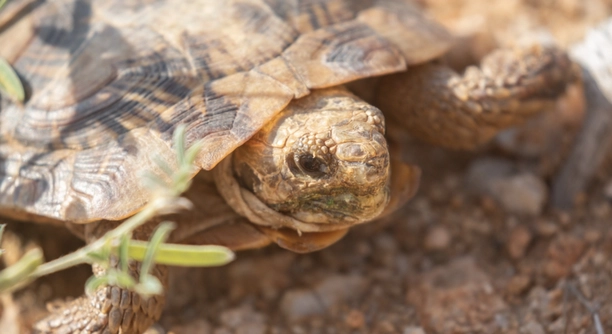
Pancake tortoises are unique pets with a calm nature, often staying still for long periods. If you’re wondering how to make them more active, there are a few strategies to encourage movement and play.
To increase the activity level of your pancake tortoise, focus on creating an enriching environment with varied hiding spots, safe climbing structures, and opportunities for foraging. Additionally, providing warmth, proper diet, and regular interaction can also stimulate movement.
With a few simple adjustments, you can help your pancake tortoise stay engaged and active. Learning how to create the perfect environment for them will benefit their overall well-being.
Creating a Safe and Engaging Habitat
Your pancake tortoise will become more active if their environment encourages exploration. They naturally enjoy hiding and climbing, so adding rocks, logs, or safe climbing structures can help. These elements also provide a sense of security, allowing them to feel comfortable and confident moving around.
An area with plenty of space for them to roam can also make a big difference. If your tortoise is in a smaller enclosure, they may not have the motivation to move much. Larger spaces allow for more movement, and adding small objects they can explore or hide under will make it more interesting.
Lighting is another factor that shouldn’t be overlooked. Providing natural light or a high-quality UVB light is essential. UVB light helps them absorb calcium, which is crucial for their bone health. Without proper light, they might become lethargic. A balanced environment with plenty of things to explore will keep them more active and healthier in the long run.
Offering a Varied Diet
A varied diet is key to your pancake tortoise’s overall health and activity. In the wild, they forage for a variety of plants, which provides mental stimulation and physical activity. You can mimic this in captivity by offering a mix of greens, grasses, and occasional fruits.
Feeding them different textures and flavors will encourage them to be more active during feeding time. Try offering fresh herbs like dandelion greens, clover, or romaine lettuce. This will not only keep their diet balanced but also spark interest in moving around and finding the food.
Providing Climbing Structures and Hiding Spots
Climbing structures and hiding spots are important for stimulating your pancake tortoise’s natural instincts. They enjoy exploring elevated areas and small, tight spaces. Adding logs, rocks, or flat stones will encourage them to climb and explore more.
It’s also essential to include hiding spots for your tortoise to retreat to when they need privacy or feel threatened. These spots create a sense of security, making them more confident and less likely to remain inactive. You can use cardboard boxes, pieces of wood, or tunnels to give them options.
Creating a varied environment with multiple climbing and hiding opportunities will not only keep your pancake tortoise moving but also help reduce stress and boredom. The more they feel they have to explore, the more active they will become.
Proper Temperature and Humidity Levels
Maintaining proper temperature and humidity is essential for encouraging activity. Your pancake tortoise will be more active if they’re in an environment that mimics their natural habitat. A warm area will help them stay active, as cold temperatures can cause lethargy.
Temperature should range between 80°F to 95°F during the day, with a cooler spot around 70°F for nighttime. Humidity should be kept between 50% and 60% to keep your tortoise comfortable. If the humidity is too low, they may become sluggish or even dehydrated.
By offering these optimal conditions, you’re creating an environment where your tortoise feels more comfortable and will naturally engage in more activities. It’s a simple but effective way to support their well-being and overall activity levels.
Interactive Playtime
Engaging your pancake tortoise in interactive play can increase their activity levels. Using a stick or a soft brush to gently encourage them to follow it can create a fun experience for both you and your tortoise.
Keep the playtime short but regular to avoid overwhelming your tortoise. Just a few minutes of interaction each day can spark interest and movement. Over time, they may start anticipating these sessions and become more active as a result.
Encouraging Foraging
Foraging is a great way to get your pancake tortoise moving. Scatter their food around the enclosure instead of placing it in one spot. This encourages them to search and explore, making feeding time more interesting.
By mimicking their natural foraging behavior, they’ll be more likely to stay active and engaged. It’s an easy way to stimulate their mind and body while also offering variety in their diet.
FAQ
How much space does a pancake tortoise need?
Pancake tortoises should have at least a 40-gallon tank for one adult, but a larger enclosure is better. They love to move around, hide, and climb, so offering more space allows them to exhibit natural behaviors. A bigger space also allows you to include more climbing structures, hiding spots, and room for them to forage.
What should I feed my pancake tortoise?
A varied diet is key. Offer a combination of leafy greens like dandelion greens, romaine lettuce, and clover. You can also give them flowers like hibiscus or pansies. Occasionally, fruits like berries can be given as a treat. A balanced diet ensures they stay active and healthy.
How often should I feed my pancake tortoise?
Pancake tortoises typically eat every other day. As herbivores, they primarily consume plant matter, so feeding them every 2-3 days is ideal. Be sure to give them fresh, varied food each time to keep things interesting and encourage foraging. Always remove any uneaten food to prevent spoilage.
Can I house multiple pancake tortoises together?
While it’s possible to house multiple pancake tortoises, it’s best to provide enough space for each one. Tortoises can be territorial, and overcrowding may lead to stress or aggression. It’s ideal to monitor their behavior and ensure they are not fighting or competing for food and hiding spots.
Do pancake tortoises need a special light?
Yes, pancake tortoises need UVB lighting to help them absorb calcium and keep their bones healthy. UVB light is essential for their well-being and helps prevent issues like metabolic bone disease. Be sure to provide a UVB light source for around 10-12 hours a day. Replace the bulbs every 6 months for optimal effectiveness.
How can I keep my pancake tortoise active?
Creating a dynamic and enriching environment is the best way to keep your tortoise active. This includes adding climbing structures, rocks, and hiding spots. You can also scatter their food around the enclosure to encourage them to move. Regular playtime and providing warmth will also help.
What temperature should I keep my pancake tortoise’s enclosure?
Your pancake tortoise’s enclosure should have a temperature gradient, with a warm basking area around 90°F-95°F and a cooler area at 70°F-75°F. This allows them to regulate their body temperature. Nighttime temperatures can drop slightly to around 70°F but should not fall below 65°F.
Can I let my pancake tortoise roam outside?
Yes, if the weather is appropriate and safe, your pancake tortoise can roam outside. Be sure to check for any hazards like predators or unsafe plants. It’s important to supervise them while they’re outside to prevent escape and ensure their safety. Outdoor time can be enriching but should always be controlled.
How long do pancake tortoises live?
Pancake tortoises typically live for 20-30 years in captivity, though some have been known to live longer. By providing a proper diet, temperature, and environment, you can help your tortoise live a long, healthy life. Regular vet check-ups are also important for monitoring their overall health.
What kind of substrate should I use for my pancake tortoise?
Use a substrate that retains moisture but is also easy to clean. A mix of coconut coir, organic topsoil, and play sand works well. Avoid using pine or cedar wood shavings, as they can be harmful to tortoises. Make sure the substrate is deep enough for them to dig and burrow.
Final Thoughts
Helping your pancake tortoise stay active doesn’t have to be complicated. With a few simple changes to their environment and routine, you can encourage them to move more. The key is providing enough space for them to roam, hide, and climb. By adding rocks, logs, and various hiding spots, you create a more engaging space where your tortoise can feel secure and motivated to explore. The more opportunities you give them to interact with their surroundings, the more active they will be. Regularly changing up their habitat can also keep things fresh, preventing boredom.
Another important factor is their diet. A varied and nutritious diet is crucial for your tortoise’s health and well-being. Offering fresh greens, occasional fruits, and flowers will not only keep them healthy but also encourage them to forage and move around more. The act of searching for food, rather than just placing it in one spot, can make feeding time more interactive. Feeding them a variety of textures and flavors will keep their interest piqued, prompting them to stay active while also ensuring they get the necessary nutrients.
Lastly, maintaining the right temperature and humidity is vital for your pancake tortoise’s health. A well-balanced environment that mimics their natural habitat encourages natural behaviors and movement. Proper lighting and temperature, combined with adequate humidity, will keep them active and comfortable. By making these small changes and providing a stimulating environment, you can help your pancake tortoise live a happy and healthy life, one that includes plenty of movement and engagement.

Hello,
If you enjoy the content that we create, please consider saying a "Thank You!" by leaving a tip.
Every little bit helps us continue crafting quality advice that supports the health, happiness, and well-being of pets around the world, for pets of all shapes, sizes, and species.
We really appreciate the kindness and support that you show us!