
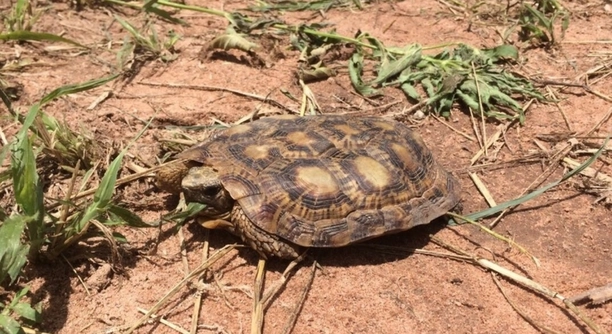
Pancake tortoises are fascinating creatures, and it’s essential to ensure their well-being. Understanding how to recognize signs of pain in them can help keep them happy and healthy. Knowing when something’s wrong can make all the difference.
The most common signs that your pancake tortoise may be in pain include lethargy, loss of appetite, or changes in their behavior. If you notice any swelling, abnormal movements, or difficulty in mobility, it could indicate discomfort or injury.
Recognizing these signs early can prevent further complications and help you provide the best care possible for your pancake tortoise. Understanding their needs and behaviors will guide you in supporting their health.
Recognizing Physical Signs of Pain
Pain in pancake tortoises often shows up through physical changes. For example, if you see them walking with a limp or avoiding movement, this could be a sign of discomfort. Swelling or any signs of injury to the shell or limbs are also strong indicators that something might be wrong. It’s important to carefully check their shell for cracks or abrasions, as this is a common spot for pain to be felt. Pay attention to their overall posture, too—if they are constantly huddled or seem stiff, this is another red flag.
If you notice any of these physical signs, it’s crucial to take action right away. This could mean adjusting their environment to make them more comfortable or taking them to a vet for a thorough checkup.
A noticeable shift in how your tortoise moves or rests may point to an issue. Whether it’s injury or illness, these physical signs can help guide you to find a solution. Knowing what to look for can make all the difference in easing their pain.
Behavioral Changes That Signal Pain
Behavioral changes can also be a strong indicator of pain in your pancake tortoise. A sudden change in activity levels, such as excessive hiding or refusing to eat, is something to take seriously.
When a tortoise is in pain, they may stop being as active as usual, and you might even notice them retreating into their shell more often. This is a natural reaction to feeling vulnerable or uncomfortable. It’s important to also watch for changes in their eating habits. If they stop eating or drink less water, it can be a sign that they are struggling.
Sometimes, your pancake tortoise may display abnormal behaviors like head bobbing or rocking back and forth. This could be a reaction to physical pain or stress. Keeping a close eye on any shifts in how they act will help you understand what’s going on.
Changes in Eating and Drinking Habits
If your pancake tortoise stops eating or drinking, it’s often a sign of something serious. This could indicate pain, stress, or illness. When they stop eating, their energy decreases, which can affect their overall health. Any drastic changes in their appetite should be addressed as soon as possible.
Pay attention to how much they drink too. A lack of hydration, whether from not drinking or insufficient water sources, can be harmful. If they are avoiding food or water consistently, it may be time to look for other signs of discomfort or pain that could be affecting their health. A visit to the vet can help identify the cause.
Noticing these changes early can prevent dehydration or malnutrition. Often, refusing to eat or drink is a way for a tortoise to deal with discomfort. If you can pinpoint what’s causing the issue, you’ll be able to take action more quickly.
Behavior Changes During Handling
How your pancake tortoise behaves when handled can reveal discomfort or pain. If your tortoise is usually calm but suddenly becomes aggressive or seems frightened, this could indicate that something is wrong. Pain can make even the most docile creatures act out of character.
When a tortoise in pain is handled, it may try to retreat into its shell or resist being touched. If your normally friendly tortoise is now pulling away or hiding more, it’s a clear sign of stress or discomfort. The way they react to being picked up can also tell you how severe the pain might be. A sudden shift in their usual behavior is worth noticing, especially if it’s combined with other signs like reduced movement or eating.
Tortoises in pain often become more defensive. Even slight changes in behavior, like reluctance to be handled or not responding to you, are signals to pay attention to. These signs, though subtle, should not be ignored.
Shell and Limb Injuries
Shell injuries are one of the most serious signs of pain in pancake tortoises. Cracks, scratches, or any abnormal shape in the shell should be checked immediately. These injuries can be painful and lead to infection if not treated properly.
Limb injuries or issues with movement can also signal pain. If your tortoise has trouble using its legs, or if you notice swelling or cuts, these could be signs of an injury. Immediate care is needed to avoid further complications, like infections or improper healing.
Pain from shell or limb injuries can also cause behavioral changes, such as avoiding movement. This may be accompanied by lethargy or defensive behavior. It’s essential to address these problems early, as untreated injuries can worsen and lead to long-term health issues.
Temperature and Habitat Concerns
Pancake tortoises are sensitive to temperature and environmental conditions. If your tortoise is exposed to unsuitable temperatures, this can cause stress or pain.
If your tortoise seems unusually lethargic, it could be due to a temperature imbalance in their habitat. A too-hot or too-cold environment can impact their comfort and health. Check the temperature regularly and make sure it is within the recommended range for your tortoise.
A well-regulated environment helps prevent additional stress on your tortoise. Too much humidity, or insufficient lighting, can also affect their overall health. Ensuring proper conditions will minimize discomfort and help keep them healthy.
FAQ
How can I tell if my pancake tortoise is in pain?
Signs of pain in a pancake tortoise can show through both physical and behavioral changes. You might notice them becoming less active, hiding more often, or avoiding food and water. Any swelling, injury, or difficulty moving is also a clear indicator of discomfort. It’s important to observe their overall behavior, including any changes in how they react when handled. A noticeable difference in their usual movements or posture should not be ignored, as these could point to pain.
What should I do if I think my tortoise is in pain?
If you suspect your pancake tortoise is in pain, it’s best to consult a veterinarian as soon as possible. A vet can identify the cause of pain and recommend treatment. Meanwhile, you can try to provide a comfortable environment by adjusting their habitat temperature and removing any potential sources of stress. Keeping them hydrated and offering food they enjoy can also help with their recovery while waiting for professional care.
Can I treat my pancake tortoise’s pain at home?
Treating pain at home can be risky without proper knowledge. While you can help by adjusting their environment, providing a calm space, and ensuring they have access to food and water, medical treatment from a veterinarian is often necessary. For injuries like shell damage or limb issues, immediate professional care is important to avoid further complications. Home remedies or over-the-counter treatments should be avoided unless specifically recommended by a vet.
How do I prevent pain in my pancake tortoise?
To prevent pain, it’s essential to maintain the right habitat conditions, including proper temperature, humidity, and lighting. Regularly check for any signs of injury or illness, and avoid handling your tortoise too roughly. Make sure their diet is well-balanced, and their environment is free of hazards that could cause injury. Regular veterinary checkups can also help catch potential problems before they cause pain.
Can stress cause pain in a pancake tortoise?
Yes, stress can lead to pain or discomfort in pancake tortoises. When they are stressed, they may stop eating, hide more often, or show signs of aggression. Stress can also weaken their immune system, making them more vulnerable to illness or injury. It’s important to keep their environment stable and avoid sudden changes. Overcrowding, inappropriate temperatures, or loud noises can all contribute to stress in tortoises.
Is it normal for my pancake tortoise to hide when it’s in pain?
Yes, hiding is a natural response for a pancake tortoise in pain. When they are in discomfort or feeling vulnerable, they will retreat into their shell to protect themselves. If you notice that your tortoise is spending a lot of time hiding and avoiding interaction, this could indicate they are in pain or under stress. Be sure to observe them closely for other signs and consult a vet if the hiding continues for an extended period.
What are the common causes of pain in pancake tortoises?
Common causes of pain in pancake tortoises include injuries, infections, poor habitat conditions, or diseases. Shell injuries are especially painful and should be treated immediately. Illnesses like respiratory infections or internal parasites can also cause discomfort. Environmental stress, such as incorrect temperature or humidity levels, can lead to physical symptoms of pain. Always monitor your tortoise for any changes in behavior or appearance to catch any issues early.
How can I help my pancake tortoise recover from an injury?
To help your pancake tortoise recover from an injury, it’s crucial to provide a clean, quiet, and stress-free environment. You should make sure their habitat is set to the right temperature and humidity. Avoid handling them too much to prevent additional stress. If they have a shell injury or visible wounds, seek veterinary care immediately for proper cleaning and treatment. If the injury is minor, your tortoise will likely need rest and observation to heal.
Can poor diet cause pain in a pancake tortoise?
Yes, a poor diet can contribute to pain in a pancake tortoise, particularly if it leads to malnutrition or other health issues. Pancake tortoises require a balanced diet of leafy greens, fruits, and occasional protein to stay healthy. A lack of necessary nutrients, such as calcium, can lead to shell deformities, metabolic bone disease, and other painful conditions. Ensure you are feeding your tortoise a varied and appropriate diet for its age and size to prevent pain caused by malnutrition.
How can I tell if my pancake tortoise is dehydrated?
Dehydration in a pancake tortoise can lead to lethargy, dry skin, and difficulty moving. If your tortoise isn’t drinking water or is avoiding it, they could be dehydrated. Dehydration can also make your tortoise more prone to illness and stress. To prevent dehydration, make sure fresh water is available at all times and monitor your tortoise’s hydration by gently pressing on their skin. If it doesn’t return to normal quickly, dehydration may be a concern.
Can shell damage cause long-term pain?
Yes, shell damage can cause long-term pain if not treated properly. Cracks or deep injuries to the shell can lead to infection or deformities, which may cause chronic discomfort for your pancake tortoise. If you notice any damage to their shell, it’s important to clean the area gently and take them to a vet for treatment. Left untreated, shell injuries can lead to more severe complications and long-term pain.
How often should I check for signs of pain in my pancake tortoise?
You should check for signs of pain in your pancake tortoise regularly, especially if they are new to your care or have shown signs of discomfort in the past. Perform visual inspections for shell damage, injury, or abnormal behavior. Observing them every day for any signs of distress or changes in eating habits is important. Regular checks, along with proper diet and habitat management, will help keep your tortoise healthy and free from pain.
Final Thoughts
Recognizing when your pancake tortoise is in pain is crucial to ensuring its well-being. Paying close attention to changes in behavior, movement, and eating habits can help you identify potential problems early on. A sudden reluctance to move, hide more often, or stop eating are signs that something might be wrong. Shell injuries and limb problems are particularly concerning and should be addressed right away. Since pancake tortoises are not always able to communicate discomfort directly, it’s important to be observant and proactive when it comes to their health.
If you do notice any signs of pain or distress, seeking veterinary care is the best course of action. A vet can determine the cause of the pain and provide guidance on treatment options. In many cases, early intervention can prevent long-term damage and improve your tortoise’s quality of life. At the same time, creating a comfortable environment for your tortoise—ensuring proper temperature, humidity, and diet—can reduce stress and prevent conditions that could lead to pain. By taking these preventive measures, you can help your pancake tortoise live a healthy and happy life.
Understanding your pancake tortoise’s needs and behaviors is key to being a responsible pet owner. When pain or illness occurs, it’s important to act quickly but calmly. Monitoring their behavior and environment regularly, keeping an eye on any physical changes, and knowing when to reach out for help are all vital steps. While caring for a tortoise comes with responsibility, being attentive to their well-being ensures they live a fulfilling life. By staying informed and taking action when needed, you can provide your pancake tortoise with the care it deserves.

Hello,
If you enjoy the content that we create, please consider saying a "Thank You!" by leaving a tip.
Every little bit helps us continue crafting quality advice that supports the health, happiness, and well-being of pets around the world, for pets of all shapes, sizes, and species.
We really appreciate the kindness and support that you show us!