
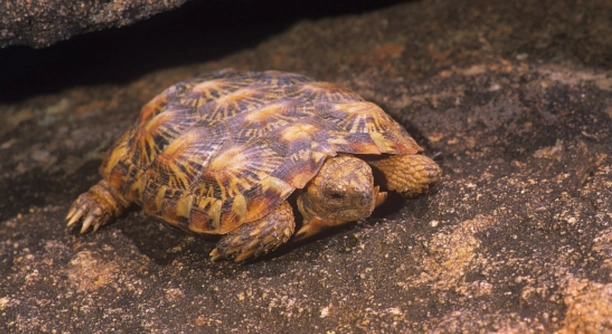
A pancake tortoise is a unique and intriguing pet, but accidents can happen. If dropped, it could affect its health and survival. Understanding what happens in this situation can help ensure it recovers properly and stays safe.
If a pancake tortoise is dropped, it may suffer from shell fractures or internal injuries. The impact can cause stress, leading to shock or difficulty moving. Quick and careful intervention is necessary to assess the damage and begin treatment.
Knowing how to handle such an accident and what steps to take is crucial for its recovery. Ensuring the tortoise’s safety afterward can make all the difference in its health.
What to Do Right After Dropping a Pancake Tortoise
If you drop your pancake tortoise, the first thing you need to do is stay calm. It’s crucial to act quickly but gently. Check the tortoise for visible injuries, such as cracks in its shell or signs of distress. Sometimes, a tortoise may not show immediate signs of injury, but internal damage could still occur. Be careful when picking it up to avoid causing more harm. Place the tortoise in a quiet, safe space where it can rest, and monitor its behavior closely. If there are no visible injuries, give it some time to recover.
It’s important not to assume everything is fine if no obvious injuries are seen. Even without external damage, stress or shock can affect the tortoise. Keeping it in a calm environment helps it recover physically and mentally. After a short rest, assess how the tortoise is moving.
If it appears sluggish or unable to move properly, you may need to take it to a vet. Internal injuries or trauma can be hidden and may require professional treatment. The vet can provide the best advice on how to proceed with care.
Recovery Process and Signs of Injury
Once you’ve determined the tortoise’s condition, it’s time to consider its recovery. If it seems fine, make sure to observe its behavior closely over the next few hours. Keep an eye on its eating habits, movement, and overall comfort. In cases of mild injury, recovery is often a matter of time and rest. However, if you see signs of a struggle to move or breathing difficulties, seeking veterinary attention immediately is essential. Delaying care can worsen the situation.
The recovery process will depend on the type and severity of the injury. If the shell is cracked or bruised, the tortoise may require a special treatment to heal properly. Shell injuries should not be taken lightly, as they can expose the tortoise to infections if left untreated. A vet will likely recommend a topical treatment to help with the healing process. Additionally, if there is internal trauma, the tortoise may need specific medications or treatments to support recovery. After any significant injury, keeping your tortoise in a stress-free environment is critical to its recovery.
How to Handle a Pancake Tortoise After a Fall
After the fall, it’s important to handle your pancake tortoise with care. Hold it gently but firmly to prevent any further stress. Ensure its head, legs, and shell are supported to avoid additional injury. Keeping the tortoise calm is essential for its recovery.
Place the tortoise in a comfortable environment that’s warm and quiet. Avoid any loud noises or distractions. Give it time to adjust and ensure it has access to food and water, but don’t force it to eat if it seems too stressed. Over time, observe its movements for any signs of discomfort.
If the tortoise is not eating or moving normally, it may be a sign of more serious injury. Keep it separated from other pets or animals that could cause additional stress. Create a safe, peaceful space for recovery, and monitor it closely for the next few days.
When to Seek Professional Help
If there’s any concern about the tortoise’s health, don’t hesitate to contact a vet. A professional can assess the situation, especially if there’s an issue you may not be able to detect. Even small cracks in the shell can cause infections if not treated promptly.
Veterinary assistance is important if the tortoise shows signs of being unable to move, if there’s bleeding, or if it’s showing extreme lethargy. Tortoises are often good at hiding pain, so it’s always better to seek help sooner rather than later. You don’t want a minor issue to become a major problem. A vet can offer proper care, from bandaging wounds to suggesting medications, ensuring your tortoise recovers fully.
Monitoring for Shell Damage
Check the tortoise’s shell carefully for any cracks or fractures. A damaged shell can cause significant health issues if not addressed. Even minor cracks can lead to infections or complications, so it’s important to examine the shell regularly for signs of trouble.
If you notice any cracks, bruising, or changes in the shell’s appearance, take your tortoise to a vet immediately. Shell damage, especially on the underside, can expose the tortoise to dangerous bacteria. The vet can clean the wound and apply necessary treatments. A proper recovery plan will ensure that the tortoise’s shell heals without complications.
Stress Management After the Fall
After the fall, it’s essential to keep the tortoise in a stress-free environment. Stress can slow down its recovery and affect its overall health. Avoid moving it around too much, and place it in a quiet, comfortable area where it can rest and recover.
A peaceful space helps the tortoise feel secure and allows it to regain strength. Monitor its behavior over the next few days and note any signs of stress, like excessive hiding or reduced movement. If stress continues, consider making adjustments to the environment to promote a more calming atmosphere.
FAQ
What should I do if my pancake tortoise doesn’t move after falling?
If your pancake tortoise isn’t moving after a fall, first check for any visible injuries. Gently pick it up and place it in a calm, warm environment. Sometimes, the shock from the fall can make them temporarily immobile. However, if the tortoise continues to stay still or shows signs of distress, it’s important to consult a vet to rule out any internal injuries or trauma.
How can I tell if my pancake tortoise is injured?
Injury signs in a pancake tortoise can be subtle. Look for cracks or bruises on the shell, as well as any bleeding. If it’s having difficulty moving, especially if it’s dragging its legs or showing signs of pain, it could be hurt. Watch for changes in behavior, such as excessive hiding, not eating, or abnormal breathing. These may indicate an injury that requires immediate attention.
Is it normal for my pancake tortoise to be inactive after a fall?
Yes, it’s normal for a pancake tortoise to be inactive after a fall. Tortoises tend to retreat into their shells and rest when stressed or injured. However, prolonged inactivity or signs of severe lethargy could indicate a serious issue. If your tortoise remains inactive for an extended period, or if its behavior doesn’t improve within a day or two, consult a vet to ensure there are no underlying injuries.
Can a pancake tortoise recover from a shell fracture?
Yes, a pancake tortoise can recover from a shell fracture with proper care. Small cracks or fractures can heal over time, but larger ones may require veterinary intervention. A vet can clean and treat the wound, preventing infection and ensuring the tortoise’s shell heals correctly. It’s important to keep the tortoise in a calm, controlled environment while its shell heals.
What are the risks of a dropped pancake tortoise?
Dropping a pancake tortoise can lead to various risks, including shell fractures, internal injuries, or stress. The impact of a fall can damage their delicate shells, expose them to infections, or cause internal trauma that may not be visible immediately. Additionally, the stress from the fall can weaken their immune system and affect their overall health. Therefore, it’s important to handle them carefully and provide the proper care if an accident occurs.
How can I prevent my pancake tortoise from falling?
To prevent falls, ensure that your tortoise’s habitat is secure and free from high surfaces or areas where it could easily fall. Use a sturdy enclosure that prevents the tortoise from climbing or tipping over. When handling your tortoise, make sure you have a firm grip and avoid sudden movements. Additionally, avoid placing it in areas where it could slip, such as smooth or wet surfaces.
What should I do if the pancake tortoise shows signs of shell infection?
If your pancake tortoise shows signs of shell infection, such as swelling, discharge, or a change in color, take it to a vet immediately. A vet will clean the infected area, provide appropriate medications, and guide you on how to prevent future infections. Keeping the tortoise in a dry, clean environment while it recovers is crucial to avoid further complications.
How long does it take for a pancake tortoise to recover from a fall?
The recovery time for a pancake tortoise varies depending on the severity of the injury. Minor injuries, such as small shell cracks or bruising, can take a few weeks to heal with proper care. More serious injuries, such as internal trauma, could take several months. During recovery, it’s important to monitor the tortoise’s behavior, provide proper nutrition, and keep it in a stress-free environment.
Can I treat my pancake tortoise’s injuries at home?
For minor injuries, such as small shell cracks or bruises, you can provide basic care at home. Clean the area gently with warm water and apply any recommended treatments from your vet. However, for more serious injuries, such as fractures, internal trauma, or infections, it’s essential to seek veterinary care. A vet can provide the proper medical treatment and ensure the tortoise heals correctly.
Should I feed my pancake tortoise after a fall?
It’s important to monitor your tortoise’s appetite after a fall. If it’s showing no signs of stress and seems active, you can offer food and water. However, if it’s showing signs of pain, lethargy, or shock, it may not eat right away. Forcing food isn’t recommended. Allow it some time to adjust, and if it doesn’t eat within a day, consult a vet for advice.
Is it safe to let my pancake tortoise roam outside after a fall?
After a fall, it’s best to keep your pancake tortoise indoors in a safe, controlled environment for a while. Allowing it to roam outside too soon could expose it to unnecessary stress or potential injury. Once the tortoise has fully recovered and shows no signs of pain or immobility, you can let it explore safely under supervision. Ensure the outdoor area is free of hazards that could lead to another fall.
Final Thoughts
Accidents happen, and when a pancake tortoise falls, it can be a concerning experience. While it’s normal for them to experience some shock or stress, prompt attention is essential to ensure their recovery. Handling them gently and providing a calm environment helps to reduce the impact of the fall and minimizes further stress. If the tortoise shows signs of injury, it’s important to seek veterinary care as soon as possible. Small issues like bruises or minor shell cracks can usually be managed at home, but more severe injuries need professional treatment.
Taking the time to check for signs of injury and monitor their behavior is key to ensuring that your pancake tortoise remains healthy after a fall. They may act withdrawn or inactive, especially if in pain, and it’s essential to give them time to rest and heal. In some cases, they may need additional care, such as keeping them in a quiet, stress-free environment to aid in recovery. Recovery time can vary, so patience is necessary, and you should keep a close watch on any changes in their behavior or condition. This will help catch potential problems early and prevent complications.
Ultimately, prevention is the best approach. By creating a safe environment and handling your tortoise carefully, you can minimize the risk of accidents. Secure enclosures, avoiding high places, and careful handling during cleaning or feeding will keep your pancake tortoise safe and healthy. If an accident does occur, staying calm and acting quickly will help ensure the best possible outcome for your tortoise’s health. With the right care, most pancake tortoises can recover fully from falls and continue to thrive in their environment.

Hello,
If you enjoy the content that we create, please consider saying a "Thank You!" by leaving a tip.
Every little bit helps us continue crafting quality advice that supports the health, happiness, and well-being of pets around the world, for pets of all shapes, sizes, and species.
We really appreciate the kindness and support that you show us!