
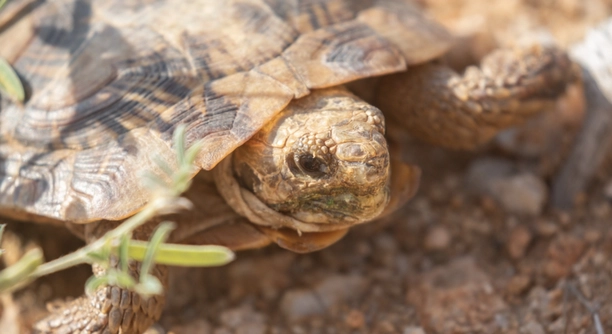
Are you noticing strange noises coming from your pancake tortoise and wondering what it means? Understanding the reasons behind your pet’s behavior can help you ensure their well-being and address any concerns that arise.
Pancake tortoises may make noises due to stress, discomfort, or communication with other tortoises. These sounds often occur when they feel threatened, are in pain, or are trying to assert themselves in their environment.
Recognizing the cause of these noises will help you take the necessary steps to support your tortoise’s health and happiness.
Reasons Why Your Pancake Tortoise Makes Noise
Pancake tortoises are known for their quiet and gentle nature, so hearing noises from them may be alarming. However, it’s important to understand that these noises can be caused by various factors, including stress, discomfort, or natural instincts. Stress is one of the most common reasons. If your tortoise feels threatened by its environment or any changes in its habitat, it may produce noises as a way to express distress. It’s important to keep their environment calm and secure, as this can help reduce unwanted sounds. Another reason for noise is when they feel pain or discomfort. For example, if they are injured or unwell, they might make vocalizations as a response to their physical condition. Understanding these underlying causes can help you assess the situation better and know when to intervene.
Noise can also be a way for pancake tortoises to communicate with each other. This is especially true if you have more than one tortoise in the same space. Mating rituals or territorial behavior often involve sounds that signal dominance or attract a mate.
Being aware of these behaviors allows you to create a suitable environment for your tortoise, one where they feel secure and healthy.
Stress and Environmental Factors
A common reason for your pancake tortoise making noises is stress. Changes in their environment, like a new pet or moving their enclosure, can trigger vocalizations. These sounds are a way for them to express discomfort or fear.
Make sure to maintain a stable, quiet environment. If there are other animals nearby, they may also contribute to stress. Loud noises, temperature fluctuations, or improper humidity levels can also make your tortoise uneasy. Providing a secure, consistent habitat with plenty of hiding spaces can help reduce these stress-related sounds. Over time, this will make them feel more comfortable and less likely to vocalize due to anxiety.
Injury or Discomfort
If your pancake tortoise is making noises that sound strained or painful, it could be due to an injury. Tortoises are naturally stoic animals, but they still make sounds when they experience pain. A hard fall or a sharp object can cause discomfort, leading to vocalizations.
Take immediate action if you suspect injury. Carefully check their body for signs of damage, such as swelling, cuts, or tenderness. Ensuring your tortoise’s habitat is free from sharp objects or hazards can prevent these issues. If the noises persist, consider seeking a veterinarian’s advice.
Mating and Territorial Behavior
Mating and territorial disputes are another reason for noise in pancake tortoises. When males attempt to assert dominance or attract a mate, they may produce sounds. These vocalizations signal their presence and intentions.
If you have multiple tortoises, be prepared for these natural behaviors. Ensure there’s enough space in their enclosure to prevent fights. A well-structured environment with multiple hiding spots can help reduce territorial aggression. During mating season, the noises might be more frequent, but they are generally harmless.
Poor Diet
A poor diet may also lead to stress, making your tortoise more prone to vocalizations. Improper nutrition can weaken their immune system, causing discomfort and behavior changes.
Ensure that your pancake tortoise is eating a balanced diet, with access to high-quality greens and occasional calcium supplements. Poor health due to improper feeding can cause them to feel vulnerable, which may lead to unnecessary sounds. Consider consulting a reptile specialist to create a proper meal plan if needed.
FAQ
Why is my pancake tortoise making clicking noises?
Clicking noises from your pancake tortoise may indicate stress or discomfort. These sounds often happen when they feel threatened, anxious, or are trying to communicate with other tortoises. It can also happen during mating or territorial behavior. If the clicking persists, check their environment for stress factors, such as overcrowding, loud noises, or temperature fluctuations.
Should I be worried if my pancake tortoise is making noise while eating?
If your pancake tortoise is making soft noises while eating, it’s usually not something to worry about. They may be producing sounds as they move their jaws to break down food or while exploring. However, if the noises sound strained or painful, check for signs of mouth injuries or discomfort. Ensure they are eating appropriate food and there are no obstructions in their mouth.
Can loud noises cause my pancake tortoise to make sounds?
Yes, loud noises can stress your pancake tortoise. They are sensitive to their surroundings, and sudden or loud sounds can lead to vocalizations. Try to keep their environment calm and quiet. If you live in a noisy area, consider placing their enclosure in a more peaceful spot to reduce stress.
How can I tell if my pancake tortoise is stressed?
Stressed pancake tortoises may show several signs. They might become more vocal, especially if they are in distress. Other signs include hiding more than usual, pacing in their enclosure, or refusing food. If you notice any of these behaviors, assess their environment for potential stressors like temperature, humidity, or interactions with other pets.
Are there any medical conditions that could cause my pancake tortoise to make noises?
Yes, underlying medical conditions, such as respiratory infections or injury, can cause your tortoise to make noises. If your pancake tortoise’s vocalizations are unusual or sound painful, it’s important to monitor for other symptoms such as lethargy, loss of appetite, or labored breathing. Consult a veterinarian to rule out medical issues.
Is it common for pancake tortoises to make noise when handled?
Yes, some pancake tortoises may make noises when handled, especially if they are not used to it. They may feel threatened or stressed by being picked up. If the noise is accompanied by signs of distress, such as attempting to escape or rapid breathing, reduce handling time and let them settle into their environment.
Can mating cause my pancake tortoise to make noises?
Mating can trigger noises in pancake tortoises, especially during courtship or territorial disputes. Male tortoises often make sounds to assert their dominance or attract a mate. These vocalizations are normal during mating season and should not be a cause for concern unless accompanied by aggression or injury.
What should I do if my pancake tortoise’s noises don’t stop?
If the noises persist, it’s important to investigate potential causes. Check their living conditions, diet, and health. Ensure they are not experiencing stress from environmental changes or overcrowding. If no clear reason is found, consult a veterinarian to rule out medical conditions such as respiratory issues or injuries.
Can noise affect my pancake tortoise’s health?
Constant noise can contribute to stress, which can negatively affect your pancake tortoise’s health. Stress can suppress their immune system, making them more vulnerable to illness. Chronic stress can also lead to behavioral issues. Creating a calm, stable environment is essential for their well-being.
Do I need to separate my pancake tortoises if they’re making noise?
If multiple tortoises are making noise due to territorial behavior or mating attempts, separating them temporarily may help. Ensure there is enough space and hiding spots to reduce aggression. If the noise continues, further observation or even consultation with a reptile specialist may be necessary.
Final Thoughts
Understanding why your pancake tortoise makes noises is important for ensuring its well-being. These sounds are often a form of communication, whether due to stress, discomfort, or mating behavior. By paying close attention to your tortoise’s environment, diet, and interactions, you can determine the underlying cause of the noise. Keeping their habitat calm, stable, and free from stressors is essential for their comfort and health. Providing a quiet and secure space allows your tortoise to thrive without excessive vocalization.
However, it’s also important to monitor for signs of injury or illness. If your pancake tortoise’s noises seem unusual or sound like they are in pain, a thorough check of their physical condition is necessary. Injuries, infections, or other health issues may cause vocalizations as a way to signal distress. In these cases, seeking professional care from a veterinarian is recommended to address any potential medical problems. Early detection and treatment can make a significant difference in your tortoise’s recovery and overall well-being.
In the end, pancake tortoises are typically quiet creatures. Their occasional vocalizations are often linked to natural behaviors like mating or expressing discomfort. By understanding these patterns, you can better care for your pet and create a suitable environment for them. If the noises persist despite addressing potential causes, don’t hesitate to consult with a specialist. Taking these steps will ensure your pancake tortoise lives a healthy and stress-free life.

Hello,
If you enjoy the content that we create, please consider saying a "Thank You!" by leaving a tip.
Every little bit helps us continue crafting quality advice that supports the health, happiness, and well-being of pets around the world, for pets of all shapes, sizes, and species.
We really appreciate the kindness and support that you show us!