
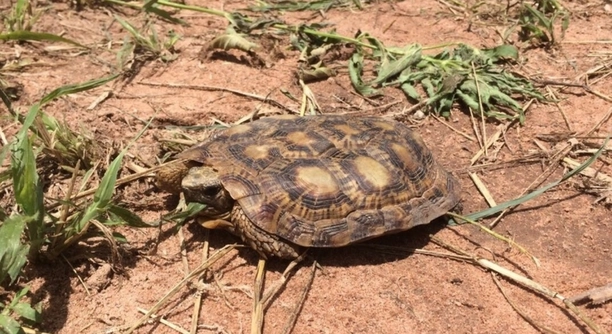
Pancake tortoises are unique creatures with distinct needs, making their care a bit different from other reptiles. When it comes to bathing, it’s important to know how to do it right. This guide will explain all you need to know.
Pancake tortoises do not require frequent baths. They are more likely to need water for hydration or when their shells need cleaning. A gentle soak in lukewarm water for about 10-15 minutes is sufficient when needed.
Learning the proper care techniques will help you keep your pancake tortoise happy and healthy. Understanding when and how to bathe them will ensure their well-being and comfort.
Do Pancake Tortoises Need Regular Baths?
Pancake tortoises don’t need baths as frequently as some other reptiles. These creatures, native to East Africa, are quite resilient when it comes to their hygiene. Their shells are covered with natural oils, which help protect them from dirt and debris. Unlike aquatic species, they don’t soak in water regularly. Instead, they typically get moisture through their diet, which consists of plants and succulents. Over-bathing them could even remove these essential oils, potentially harming their skin and shell. In fact, providing them with an overly wet environment could stress them out. It’s important to understand that their bathing needs are minimal and should only be done when necessary.
While they don’t require regular baths, they may still need a gentle soak from time to time. This helps with hydration and shell maintenance, especially if you notice any dirt or waste buildup.
Giving them a bath is simple: just place them in shallow, lukewarm water for about 10 to 15 minutes. Be sure to use a container that allows them to rest comfortably with their head above water. This allows them to hydrate and clean their shells without too much stress. Avoid using soap or harsh cleaning materials, as they can cause irritation. Always dry them gently afterward with a soft towel to prevent any lingering moisture from causing problems. This simple process helps keep them clean without compromising their health.
When Should You Bathe a Pancake Tortoise?
Bathing a pancake tortoise should only be done if absolutely necessary.
If you notice dirt buildup on their shell or if they appear dehydrated, a short bath can help. However, always check their behavior before proceeding. If they seem stressed, it may be best to skip the bath altogether. It’s also crucial to make sure they aren’t spending too much time in water, as it could lead to respiratory problems. Keeping them in a well-balanced environment will help prevent unnecessary baths.
How to Safely Bathe a Pancake Tortoise
Fill a shallow container with lukewarm water. Ensure the water level is low enough for your tortoise to stand with its head above the surface. Gently place your tortoise in the water, avoiding any sudden movements that might stress it.
Leave the tortoise in the water for about 10 to 15 minutes. Watch closely to ensure it remains comfortable. You can gently wipe its shell with a soft cloth if needed, but avoid scrubbing or using soap. Afterward, remove your tortoise from the water and dry it off gently with a soft towel.
Ensure the water temperature is not too hot or cold, as extreme temperatures can harm your tortoise. Lukewarm water, around 75 to 85°F, is ideal. It’s also important to note that some pancake tortoises may not like being in water, so always be mindful of how they react. If your tortoise seems stressed, remove it from the water immediately and try again later.
Do Pancake Tortoises Like Baths?
Pancake tortoises have different preferences when it comes to baths.
While they may not actively enjoy being in the water, they tolerate it when necessary. Bathing helps them stay hydrated, and some may even enjoy the warm soak for a short period. If they show signs of stress, it’s best to stop.
How Often Should You Bathe a Pancake Tortoise?
Bathing a pancake tortoise should only be done when necessary. Typically, this could be once every few weeks or when you notice that your tortoise’s shell has become dirty or dusty. Over-bathing can lead to skin problems or stress.
If your tortoise shows signs of dehydration, a bath might be helpful. However, it’s important to maintain a proper diet and humidity levels to minimize the need for frequent baths. Watch for signs that your tortoise might need a soak, such as dry skin or refusal to eat.
Do Pancake Tortoises Need a Humid Environment?
Pancake tortoises do need a slightly humid environment.
Maintain humidity levels between 50% and 70%. Too low of humidity can lead to dehydration, while too high can cause fungal growth. Using a humidity gauge will help you track and maintain the right balance in your tortoise’s habitat. Regular misting can also help.
Can You Use Soap When Bathing a Pancake Tortoise?
Never use soap when bathing your pancake tortoise.
Soap can irritate their sensitive skin and strip away natural oils from their shells, which are essential for their protection. If you notice dirt buildup, it’s best to gently wipe the shell with a damp cloth instead of using any cleaning products.
FAQ
Do Pancake Tortoises Need to Be Bathed Regularly?
No, pancake tortoises do not require regular baths. They can clean themselves through their natural behaviors and diet. Bathing should be done only when necessary, such as when their shells get dirty or if you notice signs of dehydration. Over-bathing can cause unnecessary stress and may remove oils from their skin, which are important for protection.
How Can You Tell If Your Pancake Tortoise Needs a Bath?
If your tortoise appears dirty, especially around the shell, or if it seems dehydrated (e.g., showing signs of lethargy), it might need a bath. You might also notice that they are not eating well, which can be a sign of dehydration. However, if they seem stressed or uncomfortable, skip the bath and try other hydration methods.
Can Pancake Tortoises Stay in Water for Long Periods?
No, pancake tortoises should not stay in water for long periods. They can soak for about 10 to 15 minutes, but prolonged exposure can stress them out and lead to skin issues. The water should be shallow enough that they can easily rest with their head above it, allowing them to hydrate without risk of drowning or discomfort.
What Is the Ideal Water Temperature for Bathing a Pancake Tortoise?
The ideal water temperature for a pancake tortoise bath is between 75 and 85°F (24 to 29°C). Lukewarm water is best, as it is comfortable for the tortoise and helps prevent any thermal stress. Avoid using hot or cold water, as it can cause discomfort or health issues.
Can You Use a Tank or Dish for Bathing?
Yes, you can use a shallow tank, dish, or any container that allows your tortoise to stand comfortably with its head above water. The container should not be too deep, as pancake tortoises are land dwellers and might feel anxious in deeper water. Choose something with smooth sides to prevent injury.
How Often Should You Mist a Pancake Tortoise’s Habitat?
Pancake tortoises benefit from regular misting to maintain a humidity level of around 50% to 70%. Mist their enclosure once or twice a day, depending on the humidity levels in your area. If the humidity is too low, increase the misting frequency. If it’s too high, reduce it.
What If My Pancake Tortoise Is Resistant to Bathing?
Some pancake tortoises may be hesitant or resistant to baths. If this happens, do not force them into the water. Instead, try a gentler approach by slowly introducing them to the water and watching for signs of stress. If they don’t seem to adjust well, consider providing hydration through their diet instead.
Can You Use Soap to Clean a Pancake Tortoise’s Shell?
Never use soap or any cleaning products to clean a pancake tortoise. Soap can strip away essential oils from their shell and skin, leading to dryness and potential irritation. Instead, use a damp cloth to gently clean their shell if necessary. This approach is safe and effective without harming their delicate skin.
How Can You Keep a Pancake Tortoise Hydrated?
Aside from baths, providing a varied diet of leafy greens, vegetables, and succulents helps keep your pancake tortoise hydrated. Ensure they have access to fresh water at all times, even though they typically get moisture from their food. Keep their enclosure humid, but not too wet, to prevent dehydration.
Can Pancake Tortoises Get Too Much Water?
Yes, while hydration is important, too much water can be harmful. A pancake tortoise should not spend prolonged periods in water, as this can cause stress and lead to respiratory problems. Only offer a soak when necessary, and always ensure they are allowed to dry off afterward.
Is It Safe to Bathe a Baby Pancake Tortoise?
Yes, it is safe to bathe a baby pancake tortoise, but with extra care. Babies are more sensitive to stress, so limit their time in the water to just a few minutes. Keep the water temperature comfortable, and dry them off gently afterward. Avoid frequent baths to prevent them from becoming too stressed.
What Are the Signs of Stress in a Pancake Tortoise?
Signs of stress in a pancake tortoise can include withdrawal, refusal to eat, excessive hiding, or rapid breathing. If your tortoise shows these signs during or after a bath, it’s a good idea to reduce the frequency of bathing or try other methods of hydration, like increasing humidity or offering water-soaked food.
How Do You Dry a Pancake Tortoise After a Bath?
After a bath, gently dry your pancake tortoise with a soft, clean towel. Be careful not to rub too hard, as their skin is delicate. Allow them to dry off completely before returning them to their habitat. This helps prevent any excess moisture from causing skin problems.
Can Pancake Tortoises Live in Water?
Pancake tortoises are terrestrial creatures, so they do not live in water. They are more adapted to dry, rocky environments where they can hide and climb. They only need access to water for drinking, hydration through their food, or the occasional bath for cleaning or hydration.
What Is the Best Way to Hydrate a Pancake Tortoise?
The best way to hydrate a pancake tortoise is by providing fresh water and ensuring a proper diet filled with water-rich plants and vegetables. Regular misting in their enclosure helps maintain the right humidity, which contributes to their overall hydration and well-being. A bath can also provide hydration when needed.
Final Thoughts
Pancake tortoises are fascinating reptiles that don’t require a lot of maintenance when it comes to bathing. While they don’t need regular baths, they do benefit from a gentle soak every now and then, especially when they need hydration or if their shells get dirty. Over-bathing, however, can lead to stress and may remove important oils from their skin and shell, so it’s important to be cautious. By understanding when and how to bathe them properly, you can help keep your tortoise healthy without unnecessary stress.
Remember, the most important factors in caring for a pancake tortoise are proper hydration, humidity, and a well-balanced diet. Hydration can be achieved not just through baths but by offering water-rich food like leafy greens and maintaining an environment with the right humidity levels. These elements help your tortoise stay hydrated and healthy in its natural habitat. Keeping their environment clean and safe is essential for their overall well-being.
Ultimately, by observing your pancake tortoise and being mindful of its needs, you can ensure a comfortable and stress-free life for your pet. Regular monitoring of their behavior, hydration levels, and overall health will guide you in making the right choices about when and how to bathe them. A well-cared-for pancake tortoise will thrive, and you’ll be able to enjoy watching its unique characteristics without worrying about bathing too frequently. The key is balance and paying attention to the signals your tortoise gives you.

Hello,
If you enjoy the content that we create, please consider saying a "Thank You!" by leaving a tip.
Every little bit helps us continue crafting quality advice that supports the health, happiness, and well-being of pets around the world, for pets of all shapes, sizes, and species.
We really appreciate the kindness and support that you show us!