
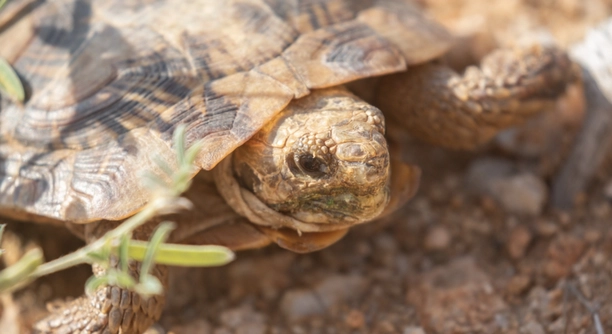
Pancake tortoises are fascinating creatures, and it’s common to observe them pacing back and forth in their enclosures. If you’re noticing this behavior, it could mean something is off. Understanding this can help ensure their well-being.
Pacing in pancake tortoises is often a sign of stress, boredom, or environmental discomfort. Factors like inadequate space, improper temperature, or lack of stimulation can contribute to this repetitive movement. Ensuring proper care can reduce this behavior.
Addressing pacing requires attention to their environment and behavior. By making simple adjustments, you can help your pancake tortoise feel more comfortable and secure.
Common Causes of Pacing Behavior in Pancake Tortoises
Pacing is often caused by environmental factors that make the tortoise feel uneasy. If the habitat is too small or lacks hiding spots, the tortoise might feel trapped, leading to continuous movement. Temperature plays a significant role in a pancake tortoise’s comfort. Too hot or too cold conditions can stress them out. Even if your tortoise’s enclosure appears perfect to you, it may not be providing the right physical or emotional environment.
Ensuring that your tortoise has a space that mimics its natural habitat can help reduce pacing. Proper lighting and a range of temperatures allow the tortoise to regulate its body heat, which keeps it comfortable.
Providing enrichment activities such as climbing structures or burrows can also help to keep your pancake tortoise engaged and distracted from pacing. When they have opportunities to explore, dig, or hide, they feel less stressed. Adding variety to their environment can lead to more natural, relaxed behaviors.
How to Reduce Stress and Encourage Relaxation
Sometimes, your tortoise’s pacing is simply a call for more attention to their comfort.
Start by ensuring their enclosure is large enough for movement without feeling cramped. Include hiding spots and climbing structures to make them feel secure and less anxious.
Temperature and Humidity
Temperature regulation is vital for pancake tortoises, and improper heating is a common reason for pacing. If the enclosure is too hot or too cold, they may become stressed and try to move in search of better conditions. Maintaining a temperature range of 75-85°F with a basking spot around 95°F is ideal.
Humidity is another factor to consider. Tortoises often pace when the humidity is too low or too high, making them uncomfortable. Aim for a humidity level of around 60-80%. Too much dryness or moisture can cause their skin to become dry or irritated.
Using a reliable thermometer and hygrometer will help you monitor these conditions accurately. If needed, adjust the humidity by spraying water or adding a humidity box. It’s important to provide a stable and comfortable environment for your tortoise’s well-being.
Space and Enclosure Size
Space matters more than you might think when it comes to your pancake tortoise’s behavior. A cramped enclosure can lead to constant pacing as they search for more room to roam. Make sure their home is spacious enough for them to feel safe and comfortable.
An enclosure should be at least 40 gallons for a single tortoise, but bigger is always better. This extra space allows them to roam, explore, and hide if they need a break. Overcrowding can lead to more stress and an increase in pacing. Keep the environment simple but spacious.
Consider the placement of items in the enclosure. A mix of rocks, hides, and climbing surfaces will give your tortoise variety. If they feel they have ample space to move, rest, and explore, they’re less likely to pace constantly.
Lack of Enrichment
Pancake tortoises are naturally curious, so a lack of stimulation can lead to pacing. If there’s nothing to explore or engage with, they may start walking around aimlessly. Offering variety in their environment is key to keeping them happy and active.
Try adding items like climbing rocks, logs, and caves to create a more enriching environment. Interactive elements like fresh plants or new objects can also provide mental stimulation. Keep things fresh by rearranging their habitat or adding new things occasionally. A stimulating environment can reduce stress and keep your tortoise more relaxed.
Social Interaction and Stress
Pancake tortoises can become stressed when they don’t feel secure in their environment or when they’re not getting enough interaction. While they may not be as social as some other pets, they still need gentle, consistent care to feel comfortable.
Be mindful of how often you handle your tortoise. Too much interaction can add stress, but regular, calm care and observation can help them feel secure. Watch for signs of fear or anxiety and adjust accordingly. The right balance of care can reduce pacing and promote relaxation.
FAQ
Why is my pancake tortoise pacing back and forth?
Pacing in pancake tortoises is often a sign of stress or discomfort. It could be related to environmental factors, such as the enclosure being too small, incorrect temperature, or lack of enrichment. Stress can also come from not having enough space to roam or hide, which leads to repetitive movements as they try to find a better spot. Pacing can also indicate boredom, so providing various objects to climb on, hide under, or explore can help. Adjusting the environment to make it more comfortable can often reduce this behavior.
How can I make my pancake tortoise feel more comfortable?
To make your pancake tortoise feel more at ease, ensure its enclosure is spacious and well-equipped. A minimum of a 40-gallon tank is recommended for a single tortoise. Add rocks, hides, and climbing surfaces to give them a chance to explore. Pay attention to the temperature range (75-85°F), and make sure there’s a basking spot around 95°F. Keeping humidity between 60-80% will help as well. Finally, avoid overcrowding and ensure the enclosure is clean and quiet. Consistent care and regular monitoring of the environment are essential for a relaxed tortoise.
How often should I interact with my pancake tortoise?
Pancake tortoises don’t require daily handling like some pets, but they still need regular interaction to feel comfortable. Try not to overwhelm them with too much handling. Short, calm sessions, a few times a week, can be enough. Make sure they have plenty of time to explore their enclosure without interruption. If the tortoise shows signs of stress, it’s a good idea to back off and give them some space. The key is to maintain a balance of care while allowing them to feel secure in their environment.
What kind of lighting do pancake tortoises need?
Pancake tortoises need access to UVB lighting to thrive. UVB light helps them metabolize calcium and ensures strong shell growth. Set up a UVB light that spans across a portion of their enclosure, ensuring the tortoise can bask under it for at least 12 hours a day. Make sure to replace the bulb every 6 months, as UVB output decreases over time. Additionally, providing a basking light will help them regulate their body temperature, offering a warm spot for them to relax and digest their food properly.
Can I use a heat pad for my pancake tortoise?
Heat pads can be useful in providing warmth, but they should not be your primary heat source for a pancake tortoise. While heat pads offer gentle warmth from below, they don’t replicate the basking experience they would get from sunlight or a heat lamp. If you use a heat pad, make sure it’s placed on one side of the enclosure, creating a thermal gradient. This way, the tortoise can choose the warmer or cooler side depending on its needs. Always monitor the temperature to prevent overheating.
Is it normal for my pancake tortoise to hide a lot?
Yes, it’s completely normal for pancake tortoises to hide sometimes. These tortoises prefer to have places where they can retreat to feel safe and secure. Hiding behaviors can also be linked to stress, so make sure there are adequate hiding spots in their enclosure. If the tortoise is hiding excessively and pacing is also a concern, it could be a sign of stress, and the environment might need adjustment. Providing a mix of hiding spots, like caves or tunnels, can help them feel more comfortable and reduce pacing.
How can I tell if my pancake tortoise is stressed?
Signs of stress in pancake tortoises include pacing, hiding more than usual, loss of appetite, and defensive behaviors like trying to retreat into their shell. If you notice these signs, it’s important to assess their environment and make adjustments. Check the temperature, humidity, and space in the enclosure. If your tortoise is pacing constantly, it could also mean they are bored or feel trapped. Adding enrichment and ensuring a proper temperature gradient can help alleviate stress.
Can my pancake tortoise live with other tortoises?
Pancake tortoises can be kept with other tortoises, but it’s important to monitor their interactions closely. Sometimes, multiple tortoises can become territorial, leading to fights or stress. It’s best to introduce them carefully and give each tortoise its own space within the enclosure. If any aggression is noticed, it’s safer to house them separately. Ensure there’s plenty of room for each tortoise to move freely, with multiple hides and basking areas to avoid competition. Each tortoise should have its own resources to help reduce stress.
What kind of diet is best for my pancake tortoise?
Pancake tortoises are herbivores, and their diet should consist mostly of dark leafy greens, grasses, and some fruits in moderation. Offer foods like collard greens, dandelion greens, and clover. Avoid feeding them iceberg lettuce, as it lacks nutritional value. Make sure their diet includes a calcium supplement, as it’s important for their shell and bone health. Fresh water should always be available. Avoid overfeeding fruits or vegetables that are too high in water content, as this can cause digestive issues.
What should I do if my pancake tortoise refuses to eat?
If your pancake tortoise isn’t eating, it could be due to stress, temperature issues, or a change in its environment. Start by checking the temperature and humidity levels in its enclosure. Ensure the basking area is warm enough, as a cold tortoise may not want to eat. If the conditions are fine and the tortoise continues to refuse food, try offering different types of greens or fruits to see if they have a preference. If the refusal to eat persists for several days, consult a vet to rule out any health issues.
Understanding why your pancake tortoise is pacing is important for ensuring its well-being. Pacing often happens due to stress or discomfort, and it’s something that can be managed by making a few changes to its environment. Whether it’s the enclosure size, temperature, humidity, or lack of enrichment, all these factors play a role in how your tortoise behaves. A stressed tortoise may pace back and forth as a way of expressing discomfort or even boredom. By observing these signs and adjusting their living conditions, you can help your pancake tortoise feel more secure and relaxed.
Creating a comfortable, stress-free environment is essential for your tortoise’s health. A spacious enclosure with areas for hiding, climbing, and basking is key to helping them feel safe. Proper temperature and humidity are just as important. If the temperature is too high or too low, it can cause your tortoise to become stressed. Keep the temperature within the recommended range and ensure the humidity is stable. This not only helps to reduce pacing but also contributes to your tortoise’s overall health and shell development. Regular care, like ensuring they have a proper diet and enough space to move, can make a significant difference in their behavior.
In the end, it’s about paying attention to your tortoise’s needs and making necessary changes to improve its habitat. If your pancake tortoise is pacing, it’s a signal to check its surroundings and address any discomfort it may be feeling. It’s important to balance interaction, allowing them to explore their environment without overhandling them. With the right environment, proper care, and attention to detail, your pancake tortoise will feel more at ease and likely stop pacing. Ensuring that it has a healthy, safe space to live is the key to a calm and happy tortoise.

Hello,
If you enjoy the content that we create, please consider saying a "Thank You!" by leaving a tip.
Every little bit helps us continue crafting quality advice that supports the health, happiness, and well-being of pets around the world, for pets of all shapes, sizes, and species.
We really appreciate the kindness and support that you show us!