
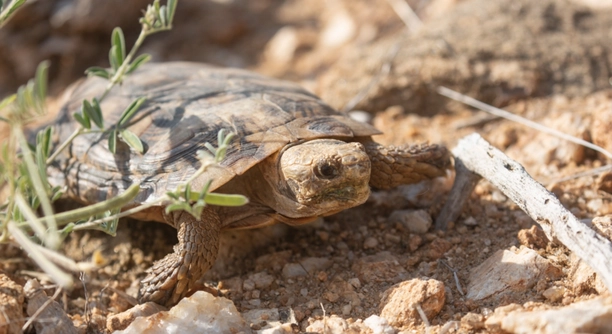
Creating a DIY hideout for your pancake tortoise is a fun and simple project. It provides them with a secure, cozy space where they can feel comfortable and safe in their habitat. Let’s explore the steps to make one.
The ideal hideout for a pancake tortoise should be made from safe, natural materials like rocks and wood. It should be easy to clean, provide adequate ventilation, and be large enough for the tortoise to move comfortably inside.
This hideout will not only enhance your tortoise’s environment but also support its natural behaviors. Keep reading for detailed instructions on building the perfect refuge.
Choosing the Right Materials
The materials you select for the hideout are important for your pancake tortoise’s safety and comfort. Natural elements, such as smooth rocks, wood, and coconut fiber, provide a sturdy yet comfortable environment. Avoid synthetic materials that could potentially harm your tortoise. Stones should be flat to create a secure surface, while wood provides hiding spots and climbing opportunities. Be sure to clean the materials thoroughly before use to remove any dirt, bacteria, or chemicals that may harm your tortoise. Choosing the right materials also ensures the hideout lasts long and remains safe over time.
Natural materials like rocks and wood replicate the tortoise’s native environment, encouraging behaviors like climbing and burrowing. These elements also help maintain humidity levels, contributing to overall well-being.
Consider incorporating a few branches to create a more complex hideout. The added structure will offer a more enriching environment, encouraging your tortoise to explore.
Size and Shape of the Hideout
The hideout should be large enough for your pancake tortoise to move freely, but not too big. A comfortable, cozy space encourages them to feel safe. You want a balance between space and security.
A well-sized hideout gives your tortoise a chance to retreat, rest, and feel secure. It also prevents stress, which is crucial for their overall health. The tortoise should be able to enter and turn around comfortably inside. A hideout that’s too big might feel open and unsafe, leading to anxiety.
Consider the natural shape of your tortoise’s shell. It is slightly flattened, so a rounded or arched structure will allow for easier movement and more comfort. A tight-fitting hideout gives them a feeling of security, much like a shell.
Location in the Enclosure
Place the hideout in a quiet, low-traffic area within your tortoise’s habitat. This will ensure they have a peaceful retreat. Avoid placing it in a direct path where they may feel disturbed.
Choosing a location away from the basking area is key. Tortoises need rest away from the heat and light of basking spots to regulate their temperature. Place the hideout in a cool, shaded area to maintain a healthy environment for the tortoise to retreat to when necessary.
It’s also important to position the hideout on a stable surface. Avoid areas with heavy traffic or high vibrations that may stress your tortoise. A calm spot ensures your tortoise feels safe and relaxed, improving their overall health and comfort.
Easy Access
The entrance to the hideout should be wide enough for your pancake tortoise to crawl through easily. This helps ensure they can enter and exit without struggle. Avoid making the entrance too narrow, as it can cause stress.
The opening should be low to the ground, so your tortoise doesn’t need to climb. This makes it easier for them to reach their safe space when needed.
Ventilation
Good airflow is essential for your tortoise’s hideout. Ensure there are small openings or gaps for ventilation to keep the air fresh.
Proper ventilation prevents the hideout from becoming too damp and reduces the risk of mold growth. It also keeps the temperature inside comfortable. Ensure the air circulation is not too strong, as your tortoise needs stability.
FAQ
What materials should I avoid when building a hideout?
Avoid using any treated or painted wood, plastic, or synthetic materials. These can be harmful to your pancake tortoise, as they may contain chemicals that are toxic. Also, stay away from sharp objects or materials that could cause injury. Stick to natural, untreated wood, rocks, and coconut fiber.
How do I know if the hideout is the right size?
The hideout should allow your tortoise to comfortably enter, turn around, and rest inside. It should not be too cramped, as that can cause stress, but it shouldn’t be overly spacious either. A snug hideout that mimics the feel of their natural environment is ideal.
Can I decorate the hideout?
You can decorate the hideout with natural elements like small branches or leaves. However, avoid anything that might pose a risk to your tortoise, such as sharp edges or small objects that could be swallowed. Keep decorations minimal to ensure the hideout remains functional and safe.
How often should I clean the hideout?
It’s important to clean the hideout regularly to prevent bacteria buildup. Clean it at least once a week, but if your tortoise has had a messier week, more frequent cleanings may be needed. Use warm water and natural, non-toxic cleaners. Avoid harsh chemicals.
Where should I place the hideout in the enclosure?
Place the hideout in a quiet, less trafficked area of the enclosure to give your tortoise a sense of security. Avoid placing it near food or water sources, as they should have their own designated areas. Ideally, it should be in a cooler, shaded part of the habitat.
How can I make the hideout more appealing to my tortoise?
To make the hideout more inviting, try adding a layer of coconut fiber or moss for a comfortable, soft surface. You can also place a few rocks or branches inside for added interest and enrichment. Make sure the environment remains stress-free and suitable for your tortoise’s needs.
What temperature should the hideout be?
The temperature inside the hideout should be cooler than the basking area. Your pancake tortoise should be able to retreat to a space that allows them to regulate their body temperature. Avoid making it too cold, as tortoises need warmth for proper digestion, but it should be a break from the heat.
Can I use a pre-made hideout, or should I make my own?
You can use a pre-made hideout, but building your own gives you more control over the materials and size. Customizing the hideout ensures it meets the specific needs of your tortoise, creating a more comfortable, secure environment. Pre-made options can be suitable if they are well-designed.
How do I know if my tortoise is using the hideout?
If your tortoise regularly enters the hideout, spends time there, or appears to be resting inside, it’s a good sign they’re using it. If your tortoise is avoiding the hideout, try adjusting the location or materials to make it more inviting and comfortable.
Can the hideout help reduce stress?
Yes, a well-designed hideout can reduce stress by providing a secure space for your tortoise to retreat when they need privacy. It offers a sense of safety, helping them feel less exposed and vulnerable. A hideout should offer peace and comfort to ensure a healthy, stress-free environment.
Is it okay to have more than one hideout?
Yes, offering more than one hideout can benefit your tortoise, especially if they share the enclosure with other tortoises. Multiple hideouts can give each tortoise their own personal space, reducing territorial behavior and stress. Ensure all hideouts are safe and offer similar comfort levels.
How can I make the hideout more natural?
You can make the hideout more natural by using organic materials such as rocks, wood, and leaves. These materials mimic the environment your tortoise would find in the wild. Adding a small layer of soil or coconut fiber can create a more natural, comfortable bedding for them.
What is the best way to monitor if the hideout is still suitable?
Regularly observe your tortoise’s behavior to ensure they are using the hideout and appear comfortable. Check if they enter and rest inside, or if they seem agitated and avoid it. Make sure the hideout is clean and properly sized, and adjust if needed to fit their changing needs.
Final Thoughts
Building a suitable hideout for your pancake tortoise is essential for their well-being. It provides them with a safe, secure space where they can retreat and rest, reducing stress and promoting a healthy lifestyle. A well-constructed hideout encourages natural behaviors, such as seeking shelter, which is crucial for their comfort and mental health. The materials used, the size, and the location all play a role in ensuring the hideout is effective. Understanding these factors is key to providing the best possible environment for your tortoise.
The design of the hideout should reflect the natural needs of a pancake tortoise. It should be made from safe, natural materials like untreated wood or rocks to avoid potential health risks. The size should allow enough room for the tortoise to move around comfortably, without being too large or too small. Placing the hideout in a quiet, shaded area will help your tortoise feel secure and relaxed. Regular maintenance and cleaning are also necessary to prevent buildup of harmful bacteria and ensure a clean and comfortable space for your tortoise. By following these guidelines, you can create an environment that mimics their natural habitat.
In the end, providing a hideout is about making sure your tortoise has access to a space where it can feel at ease. The goal is to offer a place where they can hide from stressors, regulate their temperature, and enjoy a peaceful rest. While the specifics may vary, the general principles remain the same. A hideout that is comfortable, safe, and easily accessible will help your tortoise thrive. With proper care, your pancake tortoise will benefit greatly from a well-thought-out hideout, contributing to a longer, healthier life.

Hello,
If you enjoy the content that we create, please consider saying a "Thank You!" by leaving a tip.
Every little bit helps us continue crafting quality advice that supports the health, happiness, and well-being of pets around the world, for pets of all shapes, sizes, and species.
We really appreciate the kindness and support that you show us!