
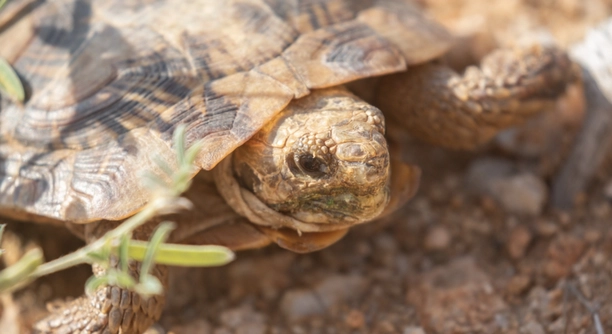
Pancake tortoises are unique and interesting pets, known for their distinct appearance and peaceful nature. Many people are drawn to these reptiles for their manageable size and calm demeanor. However, keeping them in an apartment requires special care.
Yes, you can keep a pancake tortoise in an apartment, but it’s important to provide them with enough space, heat, and UV lighting. Their environment should closely resemble their natural habitat for their overall well-being.
Creating the ideal space for a pancake tortoise can be simple with a bit of preparation. Learn more about setting up a proper habitat to keep your new pet healthy and happy.
How Much Space Does a Pancake Tortoise Need in an Apartment?
A pancake tortoise requires a moderate amount of space, even in an apartment. While they are small reptiles, they still need room to roam and explore. An enclosure that is at least 40 gallons in size is recommended for a single tortoise. You can go larger if possible, but this size ensures enough space for movement and a variety of hiding spots. It’s important to make sure the enclosure has plenty of floor space and not just vertical height. Tortoises feel more comfortable when they have areas to climb and hide, which helps them feel secure.
A small enclosure can lead to stress and potentially health issues for your tortoise. Without adequate room, they might become more lethargic or have trouble getting the exercise they need.
For a tortoise to be happy and healthy in an apartment, providing the right amount of space is crucial. Ensuring your pancake tortoise has room to move around will help mimic their natural environment. It’s also a good idea to provide a variety of textures and surfaces for them to explore, such as rocks, logs, and sand. With enough space, they will have the opportunity to express natural behaviors, which keeps them active and engaged. Consider giving them a small outdoor area during the warmer months to expand their living environment.
How to Create the Right Habitat for a Pancake Tortoise
To create a suitable habitat, a secure enclosure with proper heating and UV lighting is necessary. A heat source should keep the habitat warm, but be mindful of the temperature.
Setting up a habitat for your pancake tortoise includes more than just getting the enclosure right. You’ll need to control the temperature, humidity, and provide appropriate lighting. A basking area with temperatures around 90°F and a cooler area around 75°F will mimic the desert-like conditions they thrive in. UVB lighting is essential, as it helps your tortoise absorb calcium for strong bones and shells. Without UVB light, your tortoise can suffer from serious health problems like metabolic bone disease.
Humidity is also important for your tortoise’s well-being. While pancake tortoises come from dry regions, they do need some humidity to maintain healthy skin and shells. Keep the humidity levels between 50-70%, which you can control by misting the enclosure lightly. This will also keep them hydrated. A shallow water dish should always be available for drinking and occasional soaking.
Diet Considerations for a Pancake Tortoise in an Apartment
A pancake tortoise’s diet in an apartment should be varied and nutritious. They primarily eat leafy greens, grasses, and some fruits. Offering a mix of these foods helps ensure they get all the necessary nutrients for their health. Avoid high-protein diets, which can be harmful.
You can feed your tortoise greens like dandelion leaves, collard greens, and kale. They will also enjoy grasses like Bermuda or timothy hay. A small amount of fruits, such as berries or melon, can be offered as treats. Be sure to provide calcium supplements, which are essential for shell development and overall health.
The key to a balanced diet is offering a variety of foods while keeping portions controlled. Avoid overfeeding, as this can lead to obesity and other health issues. Monitor their weight and adjust food intake accordingly. Fresh water should always be available, and they may occasionally enjoy soaking to stay hydrated.
Temperature and Lighting for Your Pancake Tortoise in an Apartment
Keeping the right temperature and lighting is vital to a pancake tortoise’s health. The basking area should reach around 90°F during the day, while the cooler side of the enclosure should stay between 75°F and 80°F.
It’s important to use a UVB bulb to provide your tortoise with the necessary light they would get in the wild. UVB light helps them absorb calcium, which is crucial for shell and bone health. Place the UVB light over the basking spot to ensure your tortoise gets enough exposure. These lights should be replaced every 6-12 months to maintain their effectiveness.
Additionally, a heat lamp should be used for the basking area, providing a gradient of warmth. A thermometer is essential to keep track of temperature levels. Avoid placing the heat source directly over the entire enclosure to allow your tortoise to regulate its body temperature by moving between warmer and cooler zones.
Handling and Interaction with Your Pancake Tortoise
Pancake tortoises are generally calm and gentle, but they don’t enjoy excessive handling. Frequent interactions can cause stress, so limit handling to necessary situations, like cleaning the enclosure. When you do handle them, support their body properly and keep it brief.
It’s best to observe your tortoise from a distance, allowing them to feel safe and secure in their environment. Over time, they may become more accustomed to your presence and handling. This can build trust and make future interactions less stressful for both of you.
Enclosure Maintenance and Cleaning
To keep your tortoise healthy, regular cleaning of the enclosure is essential. Clean any waste, replace bedding, and remove uneaten food. This helps prevent bacteria buildup and keeps your tortoise’s living space hygienic.
Ensure the substrate is dry to prevent mold or mildew. It’s also important to disinfect the entire enclosure every few weeks. Use non-toxic cleaners to wipe down surfaces and change the water regularly. Keeping the habitat clean promotes a healthy environment and minimizes health risks for your tortoise.
FAQ
Can a pancake tortoise live alone in an apartment?
Yes, a pancake tortoise can live alone in an apartment. They are solitary creatures by nature and don’t require the company of other tortoises to thrive. In fact, having another tortoise in the same space could lead to territorial behavior and stress. It’s best to keep just one in the enclosure unless you have the space to accommodate multiple tortoises with separate territories. As long as you provide a suitable habitat and meet their basic needs, a solo tortoise will be perfectly content.
How often should I feed my pancake tortoise?
Pancake tortoises should be fed every day, but the amount of food varies depending on age and size. Young tortoises may need more food than adults, but both should receive fresh greens daily, along with occasional fruit. Offer food in the morning and remove any uneaten portions after a few hours to prevent spoilage. Keep an eye on their weight to make sure they are eating enough but not overfeeding, as this can cause obesity and health issues.
What is the best substrate for a pancake tortoise in an apartment?
A good substrate for a pancake tortoise is something that allows for easy cleaning and helps with humidity control. You can use a mixture of sand and soil or coconut fiber. This combination mimics their natural environment and allows them to burrow slightly, which they enjoy. Make sure the substrate isn’t too deep, as pancake tortoises aren’t great diggers. Avoid using cedar or pine wood shavings, as they can be toxic. Regularly check for mold and replace the substrate as needed to maintain cleanliness.
What temperature should I keep my pancake tortoise’s enclosure?
The ideal temperature range for a pancake tortoise’s enclosure is between 75°F and 90°F, with a basking spot around 90°F. It’s important to provide a temperature gradient so your tortoise can move between warmer and cooler areas. The cooler end should be around 75°F to 80°F. Use a heat lamp for the basking area and a UVB light for proper calcium absorption. Make sure to monitor the temperature regularly with a thermometer to avoid overheating or underheating, both of which can cause stress or illness in your tortoise.
Do pancake tortoises need UV light?
Yes, pancake tortoises need UVB light to stay healthy. UVB helps them produce vitamin D3, which is essential for calcium absorption. Without UVB lighting, your tortoise may develop metabolic bone disease and other health problems. Set up a UVB bulb in the enclosure, ensuring it’s placed above the basking spot. Make sure to replace the bulb every six to twelve months, as its effectiveness decreases over time. A 10% UVB bulb is usually sufficient for most setups.
Can I take my pancake tortoise outside?
You can take your pancake tortoise outside, but only when the weather is warm and safe. Avoid taking them out if temperatures drop below 70°F or if the area is too humid. The outdoor environment can provide natural sunlight and additional space for exercise, which your tortoise will appreciate. Always supervise them to prevent escape or injury. Ensure the outdoor area is secure, and avoid letting them roam freely where they could encounter predators or harmful plants.
How do I know if my pancake tortoise is healthy?
A healthy pancake tortoise has a firm, smooth shell with no signs of cracks or damage. Their eyes should be clear, and they should be active during the day. If your tortoise is lethargic, not eating, or showing signs of swelling or discharge, it could indicate a health issue. Regularly check for any signs of shell rot or respiratory problems. If you notice any concerning symptoms, it’s best to consult with a reptile vet. Keeping track of their weight and behavior will help you spot any potential health issues early.
What should I do if my pancake tortoise isn’t eating?
If your pancake tortoise isn’t eating, first check the temperature and humidity in the enclosure to ensure it’s within the correct range. Stress from environmental changes or improper care can cause a loss of appetite. Also, consider the type of food you’re offering. Some tortoises can be picky, so try offering different greens or adding a small amount of fruit. If the issue persists, consider consulting with a vet to rule out any underlying health problems. Sometimes, a lack of appetite can indicate something more serious like parasites or a vitamin deficiency.
How do I handle a pancake tortoise?
Handling a pancake tortoise should be done gently and minimally. These tortoises don’t enjoy being picked up frequently, as it can cause them stress. When handling, always support their body with both hands to avoid injury. Keep the handling sessions short, especially at first, to allow them time to adjust. If you need to move them, do so slowly and calmly. Never force your tortoise into your hands, as it can cause them to panic. If they seem stressed, it’s better to let them be and observe from a distance.
Can I keep multiple pancake tortoises in the same enclosure?
While pancake tortoises are solitary animals, it’s possible to house more than one in the same enclosure if there’s enough space. However, you must ensure that each tortoise has enough room to establish its own territory. This means having separate basking areas, hiding spots, and plenty of space to roam. If territorial disputes arise, it’s best to separate them. Always keep an eye on their behavior to prevent fighting or stress. For many owners, it’s easier to keep them alone, as this reduces the risk of conflict.
Final Thoughts
Keeping a pancake tortoise in an apartment can be a rewarding experience if you are prepared to meet its needs. These tortoises are not difficult to care for, but they do require attention to their habitat, diet, and temperature. A proper enclosure, with the right size, lighting, and humidity levels, is essential for their health and well-being. Although they may seem low-maintenance at first, creating an environment where they can thrive will make a significant difference in their happiness and longevity.
One of the most important things to remember is that pancake tortoises need space. Even in an apartment, giving them enough room to move around and explore is key. This can be achieved with an appropriately sized enclosure that provides both floor space and vertical climbing opportunities. Keeping their environment clean and monitoring their diet is also essential. Offering a variety of greens, some fruit, and the occasional supplement will help keep your tortoise healthy. Regular checks on temperature and humidity are necessary to maintain a stable environment, as these factors are critical to their well-being.
Lastly, handling your pancake tortoise should be done with care and minimal frequency. While they can get used to your presence, excessive handling may cause stress and discomfort. By respecting their need for space and a calm environment, you can build trust and ensure they are happy in their home. Whether you keep them as a solo pet or decide to have more, providing the right care will lead to a long, healthy life for your pancake tortoise in your apartment. With the proper setup and attention, you can enjoy watching your tortoise thrive in a secure and comfortable space.

Hello,
If you enjoy the content that we create, please consider saying a "Thank You!" by leaving a tip.
Every little bit helps us continue crafting quality advice that supports the health, happiness, and well-being of pets around the world, for pets of all shapes, sizes, and species.
We really appreciate the kindness and support that you show us!