
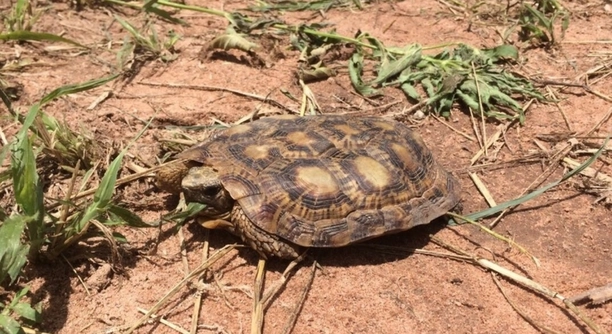
Pancake tortoises are fascinating creatures known for their unique shell shape. When considering keeping them with other tortoise species, various factors should be taken into account to ensure their well-being and compatibility in shared habitats.
Pancake tortoises should not be kept with other tortoise species unless specific conditions are met. Their delicate shells and unique behaviors make them more vulnerable in mixed-species environments, increasing the risk of stress or injury. Careful management is crucial.
With proper care and attention, you can create the ideal environment for your pancake tortoise. Understanding their needs ensures that they remain healthy and thrive in their habitat.
Why Pancake Tortoises Are Sensitive to Their Environment
Pancake tortoises have soft, flattened shells that are quite different from other tortoises. This unique feature makes them more vulnerable to injury and stress, especially in environments that are not properly managed. Unlike other species, they tend to be more solitary and cautious. In the wild, they are often found hiding in crevices, making them more sensitive to disturbances. If you introduce them to a mixed-species environment without considering these factors, you risk creating a stressful or even dangerous situation. The key is to respect their natural tendencies while ensuring their needs are met in captivity.
It’s important to understand that pancake tortoises thrive in calm, controlled environments. When housed with other species, they may feel threatened or overwhelmed. This can lead to health issues, including loss of appetite and frequent hiding.
Creating a safe, species-specific habitat is one of the best ways to keep your pancake tortoise happy and healthy. A proper enclosure, with plenty of hiding spots and gentle temperature regulation, can make all the difference. Maintaining these conditions helps reduce stress and ensures that your tortoise thrives in its space.
How to Keep Pancake Tortoises Safe in Shared Spaces
Mixing different tortoise species can work in certain situations, but it’s not ideal for pancake tortoises. They are sensitive to the behavior of other animals and prefer a quieter space. If you do attempt to house them with other tortoises, closely monitor their interactions. The key is to observe their stress signals and adjust their environment accordingly.
If you insist on keeping pancake tortoises with other species, choose non-aggressive, slow-moving companions. You should provide multiple food and water sources to avoid competition. Additionally, make sure each tortoise has its own space for retreat, as crowding can lead to increased stress levels. It’s also essential to ensure the environment’s temperature and humidity suit all species involved.
Introducing new tortoises into a shared space can be a challenge, especially when it comes to pancake tortoises. They are naturally more introverted and cautious. Start by gradually introducing the new tortoise to minimize stress. Ensure that their territories are clearly defined to prevent any territorial disputes. Even if the tortoises seem to get along at first, continual monitoring is necessary to ensure their safety and well-being.
The Importance of Space for Pancake Tortoises
Pancake tortoises require ample space to feel secure and comfortable. A crowded environment can cause stress and lead to behavioral issues. Providing enough space allows them to move freely and find hiding spots, which are essential for their well-being.
When planning their enclosure, aim for a larger-than-usual setup. A bigger space mimics their natural environment, where they can hide and explore. A cramped enclosure often leads to aggression, hiding, or a refusal to eat. Each tortoise needs its own safe area where it feels undisturbed, helping to reduce stress and promote natural behaviors.
In addition to providing ample room for movement, it’s important to offer climbing surfaces and areas where the tortoises can retreat. These features help replicate the crevices they seek out in the wild. Such an environment promotes mental stimulation, keeping them active and engaged. Allowing for these behaviors keeps your tortoise both physically and mentally healthy, reducing the chance of stress-related health problems.
Temperature and Humidity Requirements for Pancake Tortoises
The temperature and humidity in a pancake tortoise’s habitat must be closely regulated to prevent health issues. Too much heat or humidity can be harmful, while too little can cause dehydration or respiratory problems.
Maintain a temperature range of 80-90°F during the day with a slight drop at night. It’s essential to provide a warm basking area where they can regulate their body temperature. For humidity, aim for around 50-60% to keep their skin moist and prevent dehydration. A balanced environment is key to avoiding stress and illness.
If your tortoise feels uncomfortable in its environment due to improper humidity or temperature, it will likely show signs of stress. Watch for changes in behavior such as hiding excessively, not eating, or moving less. Over time, extreme conditions can weaken their immune system, making them more susceptible to infections or diseases. Adjusting their environment to meet these needs is essential for their long-term health.
Diet Considerations for Pancake Tortoises
Pancake tortoises are herbivores and require a diet rich in leafy greens and vegetables. Offer a variety of fresh foods to meet their nutritional needs, ensuring they have a balanced diet.
Their diet should include dark leafy greens like kale, collard greens, and dandelion greens. Occasionally, you can add fruits and flowers to their meals, but these should be offered in moderation. Proper nutrition is essential for maintaining their health and shell development.
Providing calcium and vitamin D3 supplements will also help maintain healthy bones and shells. A cuttlefish bone or calcium powder can be sprinkled on their food to support proper shell growth. Avoid feeding them foods that are too high in oxalates or phosphorus, as these can interfere with calcium absorption and cause health problems.
Water and Hydration Needs
Hydration is crucial for pancake tortoises. They should always have access to clean water. Offer a shallow dish for them to drink from and soak in. Proper hydration supports their digestion and overall well-being.
Ensure the water is changed regularly to prevent bacteria buildup. Soaking them in water also encourages hydration and helps maintain healthy skin. A shallow dish with water is necessary for their comfort and safety, especially since they do not often drink directly from water sources in the wild. Regular hydration is key to avoiding dehydration and maintaining healthy bodily functions.
Socializing Pancake Tortoises with Other Species
Pancake tortoises are typically solitary, which can make it difficult for them to coexist peacefully with other tortoise species. If you do try to keep them with other tortoises, monitor their interactions carefully. They may show signs of aggression or stress.
FAQ
Can pancake tortoises live with other species?
Pancake tortoises are generally not well-suited to live with other tortoise species due to their sensitive nature. They tend to be solitary animals and prefer environments where they can retreat and hide. Introducing them to other species can lead to stress and potential aggression. If they must be housed with other tortoises, it’s crucial to ensure the other species is non-aggressive and has similar habitat needs. Space should be ample for each tortoise to have its own territory, and their interactions must be carefully monitored.
What is the ideal temperature for pancake tortoises?
Pancake tortoises thrive in temperatures ranging from 80°F to 90°F during the day. At night, the temperature should drop slightly, ideally staying between 70°F and 75°F. They require a basking spot that is a little warmer, reaching up to 95°F, where they can regulate their body temperature. If the environment is too cold, it can slow down their metabolism and immune function. Use a thermometer to monitor the temperature regularly and adjust heating sources as needed to keep them comfortable.
How do I know if my pancake tortoise is stressed?
Stress in pancake tortoises can be detected through several signs. If your tortoise is hiding excessively, not eating, or acting more lethargic than usual, it could be stressed. Stress may also lead to behaviors like excessive shell scratching or trying to escape the enclosure. Other physical signs to watch for include shallow breathing, weight loss, or a loss of appetite. It’s important to assess their environment, temperature, humidity, and interaction with other species to identify any possible stressors.
What should I feed my pancake tortoise?
Pancake tortoises require a diet rich in leafy greens such as kale, dandelion greens, and collard greens. They can also be fed other vegetables like squash, carrots, and zucchini. Offering occasional fruits like apples or berries is fine but should be limited due to their high sugar content. It’s crucial to provide a well-rounded diet to prevent nutrient deficiencies. Supplementing their food with calcium and vitamin D3 is necessary to support healthy shell and bone development. Avoid feeding them high-oxalate foods like spinach, which can interfere with calcium absorption.
How do I create the right habitat for a pancake tortoise?
The habitat for a pancake tortoise should mimic their natural environment. Use a spacious enclosure with plenty of hiding spots such as rocks, logs, or small caves. Providing climbing structures is also important, as they enjoy climbing and exploring. A substrate of sand, soil, and coconut husk works well for their needs. The enclosure should be equipped with both a basking area (95°F) and a cooler area for nighttime temperatures to drop to around 70°F. Additionally, keep the humidity level between 50% and 60%, and make sure they always have access to clean, fresh water.
Do pancake tortoises need UVB light?
Yes, pancake tortoises require UVB light to maintain healthy calcium metabolism. UVB exposure is necessary for the synthesis of vitamin D3, which helps them absorb calcium properly. Without UVB light, they may develop metabolic bone disease. Use a high-quality UVB bulb designed for reptiles, ensuring it’s positioned close enough to the tortoise to provide adequate exposure. The bulb should be replaced regularly, as UVB output decreases over time even if the light still appears to be functioning. Providing 10-12 hours of UVB light daily is recommended for optimal health.
How often should I feed my pancake tortoise?
Pancake tortoises should be fed once a day or every other day, depending on their age and activity level. Younger tortoises tend to eat more frequently, while adults can go longer between meals. Be sure to provide fresh food each time, removing any leftovers to prevent mold growth. Offering a variety of leafy greens and vegetables ensures they get a balanced diet, while occasional treats like fruits or flowers can keep them interested in their meals. Always ensure they have access to clean water.
Can pancake tortoises swim?
Pancake tortoises are not strong swimmers. They prefer to stay on land and often use water for soaking or drinking. While they may wade through shallow water, they are not designed for long-term swimming. It’s important not to put them in deep water where they can become stressed or at risk of drowning. Provide a shallow water dish for them to soak in or drink from, but ensure they can easily exit the water to avoid any danger.
How long do pancake tortoises live?
Pancake tortoises have an average lifespan of 30 to 50 years, depending on their care and environment. With proper diet, temperature, and habitat, they can live long and healthy lives. It’s essential to maintain a stable environment and avoid sudden changes that could cause stress or health issues. Regular check-ups from a veterinarian who specializes in reptiles will help ensure they remain in good health throughout their lifespan.
Do pancake tortoises shed their shells?
Pancake tortoises do not shed their shells like some other reptiles. Instead, their shells grow continuously throughout their lives, similar to how our fingernails grow. However, they may occasionally shed small pieces of their scutes (the individual scales on their shell) as part of normal growth. This process is not harmful and should not be confused with shell damage. If the shell becomes damaged or if there are signs of infection, immediate veterinary attention is needed.
Are pancake tortoises easy to care for?
Pancake tortoises require more specialized care compared to other species. They need a carefully maintained environment with the right temperature, humidity, and a proper diet. They are more sensitive to stress and require a calm and spacious enclosure. While not the most demanding species, they do require consistent attention to ensure they remain healthy. If you’re committed to providing the proper care, pancake tortoises can thrive for many years.
Final Thoughts
Pancake tortoises are unique creatures that require specific care and attention. Their natural habitat consists of rocky, dry areas where they can hide and climb, so replicating these conditions in captivity is crucial. They have very particular needs when it comes to temperature, humidity, and diet, so creating the right environment is essential for their health and well-being. By paying attention to their needs, these tortoises can thrive for many years.
While pancake tortoises are fascinating to care for, it is important to understand that they are not suited for every home. They do best in an environment where they are given enough space and a proper diet. Housing them with other species can be risky, as they are naturally solitary and may become stressed if placed with more aggressive tortoises or animals. It’s best to house them alone or with other species that have similar care requirements. Additionally, regular monitoring of their health and environment will help ensure that they stay happy and healthy.
Finally, owning a pancake tortoise can be a rewarding experience, but it comes with responsibility. Ensuring that their habitat remains clean, stable, and safe from stressors is vital to their long-term health. They are not the most low-maintenance species, but with commitment and knowledge, they can make great companions for those who are prepared to meet their needs. Whether you’re a seasoned tortoise keeper or a new owner, taking the time to understand the nuances of caring for a pancake tortoise will help you form a rewarding bond with these unique reptiles.

Hello,
If you enjoy the content that we create, please consider saying a "Thank You!" by leaving a tip.
Every little bit helps us continue crafting quality advice that supports the health, happiness, and well-being of pets around the world, for pets of all shapes, sizes, and species.
We really appreciate the kindness and support that you show us!