
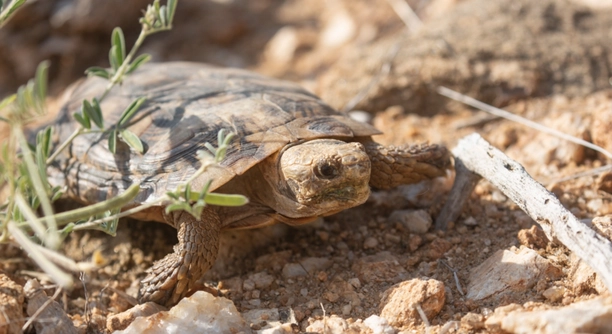
If your pancake tortoise is digging, it could be a sign of various behaviors or needs. Understanding these actions can help ensure their well-being and happiness in their environment. Digging is a common behavior among tortoises.
Digging is often a natural activity for pancake tortoises, serving purposes like seeking shelter, nesting, or even adjusting to temperature changes. This behavior can indicate they are exploring their habitat or attempting to create a more comfortable environment.
Addressing this behavior promptly is essential for maintaining a healthy habitat. We will explore the reasons behind digging and provide solutions to ensure your tortoise stays happy and well cared for.
Why Is My Pancake Tortoise Digging?
Pancake tortoises are known for their curious nature and tendency to dig, but it’s important to understand the reasons behind this behavior. Digging is a natural part of their routine and can be a sign of different things. Sometimes, tortoises dig to create a burrow where they feel safe, especially if they’re feeling stressed or threatened. This digging could also be an attempt to regulate their temperature. Pancake tortoises are highly sensitive to changes in their environment, and digging allows them to find a cooler or warmer area depending on their needs. In addition, they may dig as part of their nesting behavior, particularly if they are females. Understanding the cause can help you provide a suitable environment for them.
If your tortoise is digging, don’t panic just yet. It’s a normal and healthy behavior in many cases, but it’s good to observe the context. If digging seems excessive or occurs in unusual conditions, it may be worth investigating further.
Knowing how to manage the situation and ensure your tortoise is in a comfortable and safe environment is key. Ensure they have a proper substrate, appropriate hiding spots, and temperature control to keep them content. Proper care can prevent unnecessary stress that might cause abnormal digging behavior.
How Can I Stop My Pancake Tortoise from Digging?
It is important to address digging if it becomes disruptive or concerning. The first step is to evaluate their habitat setup.
To reduce excessive digging, ensure your pancake tortoise’s habitat is designed to mimic their natural environment. A spacious enclosure with a proper substrate, such as sandy or loamy soil, can encourage them to dig in a healthy way. Avoiding overcrowding in the enclosure can also reduce stress and minimize digging behavior. In addition, consider adding hiding places, like rocks or logs, to give your tortoise a sense of security. Temperature control is crucial as well. If the habitat is too hot or too cold, your tortoise might dig in search of a more suitable place. If digging continues despite these changes, it might be necessary to consult with a reptile veterinarian to rule out any health issues.
Is Digging a Sign of Stress?
Excessive digging can be a sign of stress in pancake tortoises. If the behavior becomes persistent, it’s worth taking a closer look at their environment.
Stress in tortoises can result from overcrowding, inadequate hiding spots, or a lack of appropriate temperature gradients. A tortoise may dig in an attempt to escape or seek comfort if it feels threatened or unsafe. Ensuring the habitat is spacious, with both cool and warm areas, can help your tortoise feel more secure. Avoiding sudden changes in their surroundings also minimizes stress triggers.
If you notice your tortoise constantly digging or appearing agitated, it’s crucial to assess their well-being. Check for signs of physical stress, like lack of appetite or weight loss, which could indicate deeper issues. Ensuring a consistent environment reduces stress and unnecessary digging.
Is My Pancake Tortoise Digging to Lay Eggs?
Female pancake tortoises dig to lay eggs, and it’s a natural part of their reproductive behavior.
If your tortoise is digging excessively, particularly during breeding season, it could be trying to create a nest. Female pancake tortoises typically dig a shallow hole to deposit their eggs, a process that’s essential for reproduction. You may notice your tortoise spending more time digging, especially when it feels it’s in the right environment for laying. Providing adequate nesting space in your enclosure is vital during this time.
Make sure the substrate is deep enough to allow your tortoise to dig comfortably. If you’re unsure if egg-laying is the cause, monitor her behavior. Once she’s done laying eggs, she will likely stop digging as frequently.
Is My Pancake Tortoise Digging for Shelter?
Yes, pancake tortoises often dig to create a shelter where they feel safe and secure.
When they dig, they may be trying to find a place to hide or cool down. This is especially true if they are feeling stressed or threatened by something in their environment. Providing hiding spots and secure areas in their enclosure can help reduce this behavior.
Can Digging Be a Sign of Illness?
If your pancake tortoise is digging more than usual, it could be a sign of health issues.
Tortoises may dig as a way to cope with discomfort, such as from internal pain or digestive problems. It’s essential to monitor your tortoise’s eating habits and behavior for any signs of illness. If excessive digging is accompanied by changes in appetite or energy, a visit to a vet may be necessary.
How to Provide a Suitable Habitat
Create a spacious enclosure with a variety of hiding places to keep your pancake tortoise content.
Ensure the enclosure has both warm and cool areas for temperature regulation. Offer different substrate options like sand or soil, as this mimics their natural habitat and encourages digging. A comfortable environment will help reduce unwanted behaviors.
FAQ
Why does my pancake tortoise dig at night?
Pancake tortoises are more active during the cooler parts of the day, and nighttime often provides the ideal conditions for them to dig. The digging could be an attempt to find a more comfortable temperature or to create a safe, quiet space for rest. If your tortoise is digging at night, it might also be a natural response to the lower light levels, mimicking the conditions it would encounter in the wild. Ensuring your enclosure has varied temperature zones and secure hiding spaces will help reduce the need for nighttime digging.
How can I tell if my pancake tortoise is digging due to stress?
If your pancake tortoise is constantly digging, it could be stressed. Stress can be caused by several factors, such as improper habitat conditions, environmental changes, or being handled too frequently. Look for signs of stress like erratic behavior, loss of appetite, or changes in movement. Stress-induced digging is often a way for tortoises to escape or find comfort in their environment. To reduce stress, make sure the habitat is spacious, with plenty of hiding spots, proper lighting, and temperature control.
Can digging cause harm to my pancake tortoise?
Digging itself is not harmful to your pancake tortoise, as it’s a natural behavior. However, if the digging is excessive or occurs in an environment that doesn’t support the behavior, it could lead to issues. For example, digging in a too-small or unsuitable enclosure may cause injury or stress. To prevent harm, ensure that your tortoise has access to a large enough space with safe substrate and secure hiding areas. Also, consider monitoring the frequency of digging to see if it becomes a concerning pattern.
How do I prevent my pancake tortoise from digging too much?
If digging becomes excessive, check the habitat for any stress factors. First, ensure there are enough hiding spots, as this helps your tortoise feel secure. Also, check the temperature to see if it’s within the correct range for your tortoise’s needs. If the temperature is too hot or cold, your tortoise may dig to find a more comfortable spot. Try providing more stimulation, like rocks or logs, which can help direct the digging behavior in a healthier way.
How deep should the substrate be for my pancake tortoise?
The substrate should be deep enough to allow for natural digging. Aim for at least 3 to 4 inches of substrate, but you can add more if you have a larger tortoise. Suitable substrates include sand, soil, or a combination of both. It’s essential that the substrate remains dry and easy to dig through. Too shallow of a substrate may limit your tortoise’s ability to dig properly, while too deep may create a hazard or mess in the enclosure.
Should I provide a nesting area for my pancake tortoise?
If you have a female pancake tortoise, it’s important to provide a nesting area for egg-laying. Female tortoises will dig to create a nest, especially during breeding season. Providing an area with a deeper substrate that’s easy to dig into allows your tortoise to feel more secure. Make sure the nesting area is quiet and separate from areas where the tortoise spends the majority of its time. If you don’t provide a suitable space, your tortoise might dig elsewhere in the enclosure.
Can my pancake tortoise dig too much?
While digging is natural, excessive digging could be a sign of an underlying issue. If your tortoise digs all the time, especially to the point of exhaustion or injury, it’s worth investigating the cause. Common reasons for excessive digging include environmental stress, temperature issues, or even boredom. Make sure the habitat is spacious and provides everything your tortoise needs, from a proper diet to temperature gradients. If digging continues despite a proper setup, consider consulting a reptile vet for further advice.
How often should I change the substrate in my pancake tortoise’s enclosure?
Substrate should be replaced regularly to maintain a clean and healthy environment. Aim to spot clean daily, removing waste or uneaten food. Full substrate changes should be done every 1 to 2 months, depending on the size of the enclosure and how much your tortoise digs. A clean substrate helps prevent bacterial buildup and ensures your tortoise stays healthy. When replacing the substrate, ensure you use safe materials, such as reptile-safe soil or sand, to avoid irritation.
Can digging affect my pancake tortoise’s behavior?
Digging can impact your tortoise’s behavior in both positive and negative ways. In a safe environment, digging can be a sign of a healthy and curious tortoise. However, if the digging is excessive or leads to negative changes like weight loss or lack of appetite, it could be a sign of stress or illness. Monitoring your tortoise’s overall behavior is key to understanding whether the digging is part of normal activity or a sign that something needs attention. Be sure to address any changes in behavior promptly to ensure your tortoise’s well-being.
Final Thoughts
Understanding why your pancake tortoise digs is important for ensuring its well-being. Digging is a natural behavior for tortoises, and it’s usually related to seeking comfort or safety. Whether they are creating a cool, sheltered spot or just responding to stress, this action is part of their instinct. However, excessive digging can signal potential problems, like improper habitat conditions or health issues. It’s crucial to monitor their behavior and adjust the environment to meet their needs. With the right setup, digging can be a harmless activity that aligns with their natural instincts.
To support a healthy tortoise, provide an enclosure with the right temperature gradients and hiding spots. This gives them options for both warmth and coolness. Make sure to use suitable substrates, such as soil or sand, that are easy for them to dig into. It’s also important to ensure your tortoise has access to clean water and a balanced diet. These factors all contribute to reducing stress and helping your tortoise feel secure in its home. With the proper care and attention, your pancake tortoise’s digging habits will likely remain within healthy limits.
Remember that, as with any pet, ongoing observation is key. Regularly check for signs of stress or illness, such as changes in appetite or behavior. If digging becomes excessive or is accompanied by other worrying signs, it might be a good idea to consult with a reptile veterinarian. In most cases, simple adjustments to the habitat can solve the issue. By maintaining a comfortable, safe, and well-balanced environment, you can ensure your pancake tortoise remains happy and healthy for years to come.

Hello,
If you enjoy the content that we create, please consider saying a "Thank You!" by leaving a tip.
Every little bit helps us continue crafting quality advice that supports the health, happiness, and well-being of pets around the world, for pets of all shapes, sizes, and species.
We really appreciate the kindness and support that you show us!