
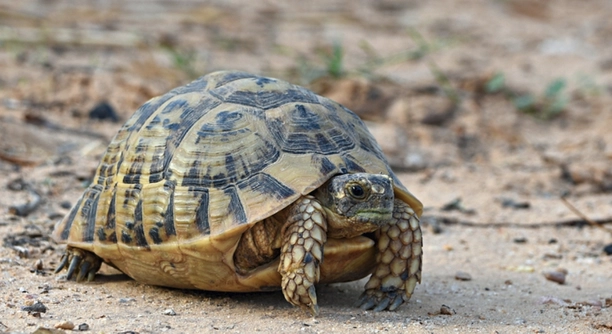
Greek tortoises are often seen seeking shade throughout the day, which can leave owners wondering if something is wrong. Understanding their behavior requires looking into their natural instincts and environment. There are various reasons behind this action.
The most common reason for a Greek tortoise seeking shade is to regulate its body temperature. These reptiles are ectothermic, meaning they rely on external heat sources to maintain optimal body temperature. Excessive exposure to sunlight can lead to overheating.
Understanding the causes of this behavior is essential for ensuring the well-being of your tortoise. Exploring these factors will help you provide a comfortable and safe environment for your pet.
Temperature Regulation
Greek tortoises need to manage their body temperature by moving between sun and shade. As ectotherms, they rely on external heat sources to stay active. If it becomes too hot, they instinctively seek cooler spots to avoid overheating. In the wild, they experience natural temperature fluctuations, and their ability to adjust to these changes helps them survive. Too much heat can lead to dehydration and stress. When they spend time in the shade, it allows them to cool down and regain energy. It’s a natural behavior that prevents their bodies from reaching dangerous levels of heat.
Shade is essential for their overall health, particularly in hot weather. Without access to cool areas, a tortoise can easily become fatigued or ill. In an enclosure, it’s important to provide areas where they can retreat to stay comfortable.
If you’re keeping a Greek tortoise as a pet, it’s vital to maintain a balance of both heat and shade. Make sure there are shaded areas that your tortoise can easily access, especially during the hottest parts of the day. Ensuring they have a comfortable space to regulate their body temperature is key for their well-being.
Stress
Stress can also play a significant role in why your tortoise prefers the shade. Greek tortoises are generally shy creatures. New environments or disruptions to their routine can cause them to feel threatened. When stressed, they tend to withdraw and seek shelter. Shade offers a sense of security where they feel safe. The presence of predators, loud noises, or changes in habitat can make them more inclined to stay hidden.
Constant access to shaded areas can help them feel more secure, particularly if they are adjusting to new surroundings.
Health Issues
If your Greek tortoise spends all day in the shade, it could indicate health problems. Conditions like dehydration, respiratory issues, or shell infections may cause them to avoid sunlight. A sick tortoise often seeks shelter to hide from discomfort.
It’s important to watch for other signs, such as lethargy, lack of appetite, or unusual breathing patterns. These could be symptoms of a health issue that requires attention. Regular veterinary check-ups are essential to ensure your tortoise stays in good health. If they’re showing signs of illness, it’s better to act quickly.
A tortoise’s shell should be checked for damage or irregularities. Any changes could indicate infections or parasites. These issues often make them more likely to hide in the shade as they feel more vulnerable. Early intervention is crucial to prevent further complications.
Overexposure to Sunlight
Too much direct sunlight can lead to overheating, which is why your tortoise may seek refuge in shaded areas. Prolonged exposure to high temperatures can be dangerous.
Greek tortoises enjoy basking in the sun but need to regulate their exposure. If the sun becomes too intense, they instinctively retreat to cool areas. Without proper access to shade, a tortoise might become sluggish or weak, making it harder for them to thrive.
When setting up a habitat, ensure there are shaded spots available at all times. This gives them the option to escape from the sun if needed, ensuring they don’t overheat. Proper shade is just as important as the warm areas where they bask.
Inadequate Lighting
If your tortoise is staying in the shade, it could mean that the lighting in their environment isn’t suitable. Greek tortoises need UVB lighting for proper digestion and shell health. Without the right balance, they may avoid bright areas.
Providing a proper light source that mimics natural sunlight is crucial. Without UVB light, they can develop metabolic bone disease and other health issues. Make sure the lighting is placed correctly, so your tortoise can easily move between sun and shade. A lack of adequate lighting can make them feel uncomfortable, leading them to seek out dark, cooler areas.
Diet
A poor diet may contribute to a Greek tortoise staying in the shade. Inadequate nutrition can lead to lethargy, making them less active. They might seek shade to conserve energy if they aren’t getting enough from their food.
Make sure their diet is rich in calcium, fiber, and other nutrients. When their nutritional needs are met, they are more likely to remain active and enjoy basking in the sun. Without proper food, your tortoise’s energy levels will be low, causing them to seek cooler, darker areas for rest.
FAQ
Why does my Greek tortoise spend so much time in the shade?
Greek tortoises are naturally drawn to shaded areas to regulate their body temperature. As ectotherms, they rely on the environment to stay comfortable. Excessive heat or sunlight can lead to overheating, which is dangerous for them. They seek shade to cool off and avoid becoming too warm.
Can my tortoise get sick from staying in the shade too long?
Staying in the shade isn’t necessarily harmful if they are just cooling off. However, if your tortoise consistently avoids sunlight, it may indicate health issues like dehydration, respiratory infections, or shell problems. Keep an eye out for other symptoms like lethargy or loss of appetite.
Should I provide my tortoise with a heat source?
Yes, providing both heat and shade is essential for a Greek tortoise’s well-being. They need warm areas for basking and cool spots for retreating. A balanced environment with heat sources like a basking light or heat lamp will ensure they can regulate their body temperature effectively.
How much sunlight does a Greek tortoise need?
Greek tortoises require several hours of direct sunlight or UVB light each day to stay healthy. UVB light is crucial for their digestion and overall health. Without it, they may suffer from metabolic bone disease and other related conditions. Ensure their habitat provides both sun and shaded areas for balance.
What can I do if my tortoise is staying in the shade all day?
If your tortoise stays in the shade too much, first check the temperature and lighting in their enclosure. Make sure they have a proper heat source and access to UVB light. Monitor their behavior for signs of illness. If you suspect health problems, consult a veterinarian.
Can stress cause my tortoise to stay in the shade?
Yes, stress can cause your tortoise to seek shelter in shaded areas. Greek tortoises can become stressed by environmental changes, loud noises, or unfamiliar surroundings. Providing a calm, quiet space with enough hiding spots will help reduce stress and encourage them to come out into the light.
How can I ensure my tortoise is getting the right amount of sunlight?
To provide the right amount of sunlight, place your tortoise’s enclosure in a location with direct natural light. If that’s not possible, use UVB lighting designed for reptiles. Make sure the light is positioned correctly so they can bask comfortably and access shade when needed.
What if my tortoise is not eating because it’s staying in the shade?
If your tortoise isn’t eating and stays in the shade, it could be a sign of illness or discomfort. Ensure the temperature and lighting in their environment are optimal. A lack of appetite could also indicate a need for medical attention, so a vet visit might be necessary.
Can a Greek tortoise live without direct sunlight?
No, a Greek tortoise cannot thrive without direct sunlight or UVB light. They need UVB rays to synthesize vitamin D3, which is essential for absorbing calcium and maintaining a healthy shell. Without proper sunlight, they may develop serious health issues.
Is it normal for my tortoise to hide for long periods?
Yes, it’s normal for Greek tortoises to hide occasionally, especially when they are adjusting to a new environment or during cooler parts of the day. However, if they stay hidden for extended periods, it may be a sign of stress, illness, or improper environmental conditions.
How do I know if my tortoise is overheating?
Signs of overheating in a tortoise include excessive panting, lethargy, and an inability to move around or eat. If you notice these symptoms, move them to a cooler, shaded area immediately. Make sure their enclosure has appropriate temperature zones to help them regulate their body temperature.
Do Greek tortoises need a humidity source?
Yes, Greek tortoises need some level of humidity in their environment to stay hydrated and healthy. A humidity level of 40-60% is ideal. You can achieve this by spraying the enclosure with water or placing a shallow water dish for them to drink from.
Can I use artificial lights instead of sunlight?
Yes, you can use artificial UVB lights to mimic natural sunlight. UVB bulbs are designed specifically for reptiles and will provide the necessary light for your tortoise’s health. Make sure to replace the bulbs every 6-12 months, as their effectiveness decreases over time.
How can I tell if my tortoise is too cold?
If your tortoise is too cold, they may become lethargic or inactive. They might also hide in their shell more than usual. Ensure their enclosure has a warm basking area and that they have access to heat when needed. Keep the temperature in their habitat between 75-85°F during the day.
What should I do if my tortoise isn’t moving much?
If your tortoise isn’t moving much, it could indicate a health issue or that they are too cold or too hot. Check their habitat to make sure the temperature is within the ideal range. If their behavior persists, contact a veterinarian for a check-up.
Final Thoughts
Understanding why your Greek tortoise stays in the shade is important for ensuring their well-being. These tortoises are naturally inclined to seek out shaded spots for comfort and temperature regulation. Their behavior is often a reflection of their need to stay cool or avoid direct sunlight. By paying attention to their environment, diet, and lighting, you can better manage their habitat and encourage healthier, more active behavior.
If your tortoise is spending too much time in the shade, it’s essential to consider whether they have proper access to sunlight or UVB lighting. A balanced environment with both basking areas and shaded spots is vital. In addition to environmental factors, diet plays a significant role in your tortoise’s activity levels. A diet rich in fiber and calcium can help them stay more active, which may lead to less time spent in shaded areas. If these adjustments don’t help, it’s worth considering whether there might be underlying health issues contributing to their behavior.
Ultimately, keeping your tortoise in a well-lit, balanced environment while monitoring their health can help them stay active and enjoy their basking time. If you notice any concerning signs, such as prolonged lethargy or changes in eating habits, consulting a veterinarian is always a good step. A happy and healthy tortoise will naturally seek out sunbathing spots and spend more time outside the shade.

Hello,
If you enjoy the content that we create, please consider saying a "Thank You!" by leaving a tip.
Every little bit helps us continue crafting quality advice that supports the health, happiness, and well-being of pets around the world, for pets of all shapes, sizes, and species.
We really appreciate the kindness and support that you show us!