
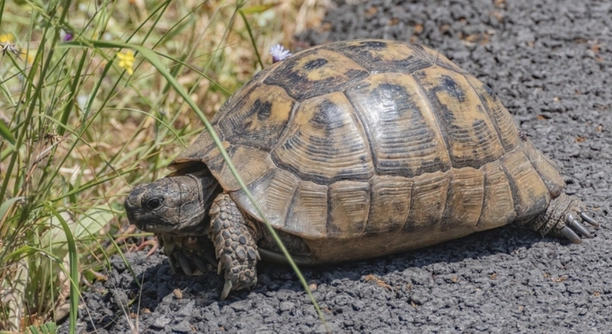
Greek tortoises are fascinating creatures with many unique features. Their shells are not just for protection, but they also play an important role in their survival and behavior. Let’s explore some surprising facts about these shells.
The Greek tortoise shell is highly durable, made of keratin, and helps protect the animal from predators. It also plays a role in temperature regulation. The color patterns vary, providing camouflage in their natural environment, aiding in survival.
These surprising facts highlight how important the shell is to the Greek tortoise’s lifestyle. Learning about these details will deepen your understanding of their unique characteristics.
The Structure of a Greek Tortoise Shell
The Greek tortoise shell consists of two main parts: the carapace (top) and the plastron (bottom). The carapace is domed and often has a smooth surface, while the plastron is flat and covers the tortoise’s belly. Both are connected by bony bridges on either side. The shell is made of keratin, the same material as human nails and hair, and provides essential protection from predators. The pattern and color of the shell vary among individuals and can include shades of brown, yellow, and black. This coloration serves as camouflage, helping the tortoise blend in with its natural environment, which is often dry and rocky. The unique patterns are also thought to help regulate the tortoise’s body temperature. A healthy, well-formed shell indicates good overall health, as it is a reflection of the tortoise’s diet and lifestyle.
The shell provides more than just protection; it supports the tortoise’s overall structure and helps with temperature regulation.
As they grow, Greek tortoises periodically shed their outer layer of the shell. This shedding process allows for the formation of new, larger sections of shell. The process is necessary to accommodate the tortoise’s growth, ensuring that it remains protected as it matures. Without this natural shedding, the tortoise’s shell could become too tight, impairing movement or causing discomfort. It’s important for their shell to remain intact and healthy throughout their lifespan to ensure their well-being.
Shell Color Variations and Their Purpose
The color of a Greek tortoise’s shell is a distinctive feature.
These tortoises are known for their beautiful, unique shell patterns, which play a significant role in their survival. The dark colors of the shell absorb heat during the day, helping them stay warm in colder conditions. The lighter areas reflect sunlight, preventing the tortoise from becoming overheated. This color variation works together to maintain an optimal body temperature for the tortoise’s health. Additionally, the color pattern provides camouflage against predators in their natural habitats. The yellow and brown shades mimic the earthy surroundings, making the tortoise less noticeable to potential threats. As they spend most of their time foraging and hiding in the wild, this ability to blend in with their environment is crucial to their survival.
Shell Repair and Healing
A tortoise’s shell can suffer damage from injuries or accidents.
When a Greek tortoise’s shell is injured, it has the ability to heal over time. The healing process involves the growth of new bone tissue beneath the shell’s outer layer. The outer layer, which is made of keratin, may also begin to regenerate, closing any cracks or small holes. However, if the damage is too severe, it may require veterinary intervention. While the tortoise’s shell can repair itself to some extent, major injuries can lead to lifelong problems and may affect the tortoise’s overall health. If treated properly, the tortoise can recover and continue to live a healthy life.
If an injury occurs, keeping the tortoise in a clean, dry environment is essential.
In some cases, if the damage is extensive, surgery may be required to fix the shell. The process typically involves cleaning the wound, sometimes adding special materials to stabilize the shell, and allowing it to heal over time. Without proper treatment, an injured tortoise can develop infections, which can further complicate healing. If the injury is treated early, the prognosis for recovery is much better, allowing the tortoise to live a full life despite the injury.
Shell Size and Growth
The size of a Greek tortoise’s shell increases as it matures.
When Greek tortoises hatch, their shells are small and soft. As they grow, their shells harden and expand, providing more space for the animal’s internal organs and increasing its protection from predators. Shell growth depends on several factors, including the tortoise’s age, diet, and overall health. In ideal conditions, a Greek tortoise’s shell grows gradually over the years. It’s important for tortoises to have a balanced diet that supports shell growth, with foods rich in calcium and other essential nutrients. Without the right nutrients, their shells may not grow properly, which can lead to deformities or other health problems.
Monitoring shell growth is key to ensuring a tortoise’s well-being.
Owners should ensure that their tortoise has access to proper lighting and a suitable habitat to encourage healthy growth. Insufficient exposure to UVB light, which helps with calcium absorption, can result in soft or abnormal shell development. Regularly checking for signs of malformation or stunted growth is also important, as this can signal underlying health issues. Proper care and attention can help ensure that a Greek tortoise’s shell grows at a healthy rate, supporting a long and healthy life.
Shell Shape and Protection
The shape of a Greek tortoise’s shell is key to its survival.
Greek tortoises generally have a domed, high arched shell that provides better protection from predators. This shape helps them shield their soft underbelly from attacks. A strong, well-shaped shell is crucial to the tortoise’s defense mechanism.
Additionally, the high dome shape allows the tortoise to retract its head and legs further into its shell, offering extra protection. This shell shape is more effective in keeping the tortoise safe from larger predators that might not be able to reach the body as easily.
Shell and Temperature Regulation
Temperature regulation is vital for the Greek tortoise’s survival.
The shell plays a critical role in maintaining a stable body temperature. The Greek tortoise is cold-blooded, meaning it relies on external temperatures to regulate its body heat. Its shell absorbs heat from the sun during the day, helping to keep it warm. At night, the shell retains the heat, keeping the tortoise from becoming too cold. This ability to regulate temperature allows the tortoise to thrive in the warm, dry climates of its natural habitat. In colder environments, proper heating in captivity is necessary to ensure the tortoise remains at a comfortable temperature.
Shell Care in Captivity
Proper shell care is essential for Greek tortoises in captivity.
Keeping a tortoise’s shell healthy requires maintaining a suitable habitat with adequate lighting, diet, and space. Regularly cleaning the shell is also important to prevent bacteria or fungi from growing, which can lead to shell infections.
FAQ
How long does a Greek tortoise live?
Greek tortoises can live anywhere from 50 to 100 years in captivity with proper care. In the wild, their lifespan may be shorter due to predators and environmental factors. To maximize their life expectancy, providing a stable, safe environment with a well-balanced diet and proper healthcare is crucial. The key to longevity is maintaining their health throughout each stage of their life, especially as they grow older.
What do Greek tortoises eat?
Greek tortoises are herbivores and primarily eat grasses, weeds, and leafy vegetables. They require a diet high in fiber and low in protein to maintain their health. Offering a variety of greens such as dandelion greens, collard greens, and clover is ideal. In captivity, it’s also important to supplement their diet with calcium to support shell growth and overall health. Fruits should be offered sparingly, as they are high in sugar and can upset their digestive system. Ensuring they have access to fresh water is equally important to their diet.
Do Greek tortoises need a lot of space?
Yes, Greek tortoises need plenty of space to roam and explore. In captivity, they should have a large outdoor enclosure or a spacious indoor habitat that allows them to move freely. The enclosure should be at least 10 square feet for one tortoise, but larger spaces are always better. Providing them with plenty of room encourages exercise and helps maintain their overall health. An enclosure with varied terrain and hiding spots also mimics their natural environment, making them feel more at ease.
Can Greek tortoises live with other pets?
Greek tortoises can coexist with other pets, but care should be taken to ensure the tortoise’s safety. It’s not recommended to house tortoises with aggressive or overly curious animals that could harm them, such as dogs or larger reptiles. Some tortoises may also become territorial and not tolerate the presence of other tortoises. If keeping multiple tortoises together, ensure the space is large enough for them to establish their own areas. Monitor their interactions closely to prevent stress or injury.
What kind of temperature do Greek tortoises need?
Greek tortoises are native to warm, dry climates, so they require temperatures between 75°F and 95°F during the day. At night, temperatures can drop slightly but should not fall below 65°F. If kept indoors, it’s essential to provide a heat source such as a basking lamp to simulate the natural environment. UVB lighting is also important to help them metabolize calcium and promote healthy shell growth. In colder climates, outdoor enclosures should be heated or moved indoors during the winter to maintain a comfortable temperature.
How can I tell if my Greek tortoise is healthy?
A healthy Greek tortoise will have clear, bright eyes, a clean, well-formed shell, and a consistent appetite. Their skin should be smooth and free from wounds or infections. Their shell should not have any cracks or soft spots, and it should be firm to the touch. Healthy Greek tortoises are active and enjoy exploring their environment. If a tortoise is lethargic, refuses food, or shows signs of respiratory distress (such as wheezing or nasal discharge), it may be sick and should be seen by a veterinarian.
Do Greek tortoises hibernate?
Yes, Greek tortoises hibernate, or undergo brumation, during the colder months in their natural habitat. In captivity, they may also enter a period of dormancy if the temperature drops. During this time, they become less active and may not eat for weeks or even months. If you plan to allow your tortoise to hibernate, it’s essential to ensure they are healthy and well-fed beforehand. The hibernation process should be carefully monitored, as improper hibernation can lead to health problems. If you’re unsure about hibernation, consulting a veterinarian is recommended.
How do I take care of my tortoise’s shell?
Caring for a Greek tortoise’s shell involves regular cleaning and proper nutrition. You should clean the shell with a soft brush to remove dirt or debris that may build up. Never use harsh chemicals or scrubbing tools, as these can damage the shell. A healthy diet rich in calcium and UVB light exposure is key to maintaining a strong, well-formed shell. If you notice any cracks, soft spots, or other damage, it’s important to consult a vet to prevent infection or further injury.
How often should I bathe my Greek tortoise?
Bathing your Greek tortoise once a week is generally sufficient, although they may enjoy soaking more often. A shallow bath of lukewarm water allows them to hydrate and can also help with digestion. Avoid using soap or other chemicals when bathing your tortoise, as they can harm their skin and shell. Always supervise them during bath time to ensure they don’t become stressed or accidentally drown. After the bath, gently dry them off with a soft towel before returning them to their enclosure.
What kind of enclosure do Greek tortoises need?
Greek tortoises need an outdoor enclosure that simulates their natural environment. The space should be secure to prevent escape and protect them from predators. Include areas of shade and basking spots where they can regulate their body temperature. The enclosure should also have areas for hiding and foraging. If kept indoors, a large tank with sufficient space, heat, and UVB lighting is essential. Regularly clean their enclosure to prevent the buildup of waste, which could lead to health issues. Proper ventilation is also important to avoid stagnant air.
Final Thoughts
Greek tortoises are fascinating creatures that require careful attention to thrive in captivity. Their long lifespan, unique shell characteristics, and dietary needs make them an interesting but demanding pet. Providing them with the right environment, diet, and healthcare is key to ensuring they live a healthy and happy life. Whether in a large outdoor enclosure or a well-maintained indoor habitat, it’s important to mimic their natural environment as much as possible.
By offering a variety of grasses and leafy greens, as well as ensuring they have access to fresh water, you can help maintain their health. Proper lighting and temperature control are also crucial for their well-being. Regular monitoring of their shell for signs of damage or infection can prevent many health issues from developing. Hibernation, while a natural part of their life cycle, requires careful planning to ensure that it is done safely.
Ultimately, understanding the needs of Greek tortoises and committing to their care can lead to a rewarding experience for both the tortoise and its owner. As long as they receive the right care, these tortoises can be long-lived companions.

Hello,
If you enjoy the content that we create, please consider saying a "Thank You!" by leaving a tip.
Every little bit helps us continue crafting quality advice that supports the health, happiness, and well-being of pets around the world, for pets of all shapes, sizes, and species.
We really appreciate the kindness and support that you show us!