
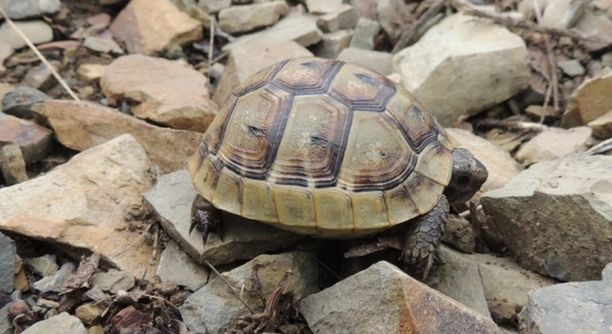
Greek tortoises are often seen scraping their shells against rocks, but it can leave owners wondering if something is wrong. Understanding the reasons behind this behavior is key to ensuring your tortoise’s well-being.
The most likely cause of your Greek tortoise scraping its shell on rocks is natural behavior. They may be rubbing against rough surfaces to shed old skin, sharpen their beaks, or keep their shells healthy.
This article explores the reasons behind this action and offers helpful insights to ensure your tortoise remains happy and healthy. Keep reading to learn more!
The Role of Shell Maintenance in Your Greek Tortoise’s Health
Greek tortoises use rough surfaces to help maintain their shells. Scraping their shells against rocks is a natural behavior that keeps their shells clean and well-maintained. The friction helps remove any dirt or dead skin, preventing buildup that could lead to infections. It also aids in smoothing the surface of the shell, which is important for its overall health. Without this practice, the shell could become dirty and potentially more prone to issues like fungal infections or shell rot.
When they scrape their shells, they are not just cleaning but also using the process to keep their shells strong. The scraping action works as a gentle exfoliation for both the shell and skin. This helps maintain the shell’s integrity, making it less likely to suffer from damage. It’s also a form of stimulation for them, which is vital for their physical and mental health.
This behavior is common in wild tortoises, so it’s completely normal for them to do it in captivity as well. Observing this action can help ensure that your tortoise is healthy, provided they have enough rough surfaces to interact with in their environment.
Behavioral Differences Between Young and Adult Tortoises
Young Greek tortoises might scrape their shells more often than adults. As they grow, they become more focused on other activities like eating and basking. However, adults still engage in shell maintenance regularly.
Adult tortoises may scrape their shells on rocks or rough surfaces, but they tend to do so less frequently than younger tortoises. This behavior decreases as they age and their shells become more developed. A young tortoise may find scraping crucial for growth and development, while older tortoises engage in it as part of their natural routine. It’s also worth noting that younger tortoises can be more active in exploring their environment, which often leads to more scraping behavior as they encounter new surfaces.
If your older tortoise is scraping its shell frequently, it’s still part of their natural behavior. However, keeping an eye on it can be beneficial to ensure they are not experiencing any stress or health problems. If you notice any unusual behavior, consulting a vet could help rule out any concerns.
Rough Surfaces in Their Environment
Greek tortoises need rough surfaces to stay healthy. Rocks, logs, and even gravel are ideal for their shell maintenance. These surfaces give them something to rub against, helping to shed dead skin and keep their shells strong. Without these surfaces, your tortoise may become less active, which could affect its overall well-being. A habitat without proper textures can also lead to buildup on their shells, making them vulnerable to health issues. It’s essential to replicate their natural environment as closely as possible.
If your tortoise is in an enclosure with smooth surfaces only, it might not have enough opportunities to scrape its shell. Adding some rough rocks or bark will encourage the natural behavior that keeps their shells clean and healthy. Just be sure to choose items that are safe and not too sharp. If the rough surfaces are too abrasive, it can cause injury, so moderation is key.
Maintaining a habitat that encourages these natural behaviors is vital for your tortoise’s well-being. Providing a variety of textures will keep your tortoise stimulated and give it what it needs for proper shell care. Without the right surfaces, your tortoise may not perform these important activities.
The Influence of Shell Shape and Growth
The shape and size of a Greek tortoise’s shell affect its scraping behavior. As they grow, their shells become more pronounced, and scraping might help them adjust to the changes. Younger tortoises often scrape their shells more because they are still growing and need to keep their shells strong and healthy. This constant scraping helps in maintaining a smooth surface.
A well-maintained shell is essential for a tortoise’s protection. It guards them against predators and environmental conditions. If your tortoise isn’t scraping as it grows, it could be a sign that it’s not getting enough rough surfaces or stimulation. Encouraging this behavior helps ensure the shell remains tough and resistant to damage.
The growth of their shell is a continuous process, and scraping helps provide the necessary friction for healthy development. Even adult tortoises benefit from keeping their shells strong and resilient through regular scraping. It’s part of the tortoise’s natural instincts to keep their shells in top condition throughout their life.
Overgrown Scales on the Shell
Sometimes, Greek tortoises scrape their shells because they have overgrown scutes. Scutes are the individual plates on their shells, and when they grow too thick or long, scraping helps remove them. This action keeps the tortoise comfortable and ensures its shell remains smooth. Overgrown scutes can trap moisture or dirt, so regular scraping is essential.
If your tortoise is scraping excessively, it may be a sign that its scutes need attention. You can gently help by trimming the overgrown areas, but it’s always best to consult a vet for advice.
If overgrown scutes are left untreated, they can cause pain or infection. The scraping behavior helps prevent these issues, but it’s important to ensure the tortoise’s shell remains in good condition. Regular checks and proper care of the scutes are crucial to avoid long-term health problems.
Stress and Behavioral Issues
Stress can also lead to more scraping. When a tortoise is stressed, it might engage in repetitive behaviors, like scraping its shell, to calm itself down. This can be triggered by changes in its environment, such as a new habitat or unfamiliar sounds.
Ensuring your tortoise’s environment is stable and quiet can help minimize stress. If your tortoise is scraping more than usual, check for any changes or signs of stress, like hiding or refusing to eat.
FAQ
Why does my Greek tortoise scrape its shell on rocks?
Your Greek tortoise is likely scraping its shell on rocks to maintain its health. This behavior helps shed old skin and keep its shell clean. The rough surfaces encourage the tortoise to exfoliate and prevent any buildup that could lead to infection or damage. It’s a natural, instinctive action to keep the shell in good condition.
How often should I expect my tortoise to scrape its shell?
The frequency of scraping depends on your tortoise’s age, activity level, and environment. Younger tortoises tend to scrape more frequently because they are still growing and need to maintain their shells. Older tortoises may scrape less often but still engage in this behavior regularly. It’s normal for tortoises to scrape their shells as part of their daily routine.
Can my tortoise hurt itself by scraping its shell?
Typically, your tortoise won’t hurt itself when scraping its shell, as they are instinctively careful about the surfaces they interact with. However, if the rocks or rough surfaces are too sharp or abrasive, they could cause injury. Always ensure that the surfaces your tortoise is scraping against are safe and not likely to cause harm.
Is shell scraping a sign of a health problem?
In most cases, shell scraping is a normal behavior and not a sign of illness. However, excessive scraping or scraping accompanied by other signs of distress (like lethargy, loss of appetite, or swelling) could indicate a health issue. If you’re concerned, it’s best to consult a veterinarian for a thorough check-up.
How can I create a suitable environment for my tortoise to scrape its shell?
To encourage healthy shell maintenance, provide rough surfaces such as rocks, logs, and gravel in your tortoise’s habitat. These surfaces mimic natural environments and allow your tortoise to scrape its shell and maintain it properly. Avoid smooth surfaces like plastic or glass, as they don’t provide the necessary friction. Ensure there are a variety of textures in the enclosure for your tortoise to interact with.
What should I do if my tortoise’s scutes are overgrown?
If you notice overgrown scutes (the plates on the shell), you can carefully trim them, but it’s best to seek advice from a vet. They can show you how to safely care for your tortoise’s shell. Overgrown scutes can trap dirt and moisture, potentially leading to infections or discomfort. Regular shell maintenance is crucial for your tortoise’s health.
Is shell scraping normal for adult Greek tortoises?
Yes, even adult Greek tortoises engage in shell scraping. As they age, they may scrape less often than younger tortoises, but it’s still part of their natural behavior. Scraping helps them keep their shells strong and healthy, ensuring they don’t develop any issues with their shell or skin.
Can I prevent my tortoise from scraping its shell?
It’s not necessary to prevent your tortoise from scraping its shell since this behavior is natural and important for its health. However, if you want to limit excessive scraping, make sure the enclosure provides appropriate surfaces for them to engage in the behavior in a safe way. Too little texture in their environment might cause more scraping out of frustration or instinct.
How can I tell if my tortoise is scraping its shell too much?
Excessive scraping could be a sign of stress, boredom, or discomfort. If your tortoise is scraping constantly without pause, consider checking its environment for issues like stressors, changes in temperature, or an inadequate habitat. Also, observe for signs of injury on the shell or skin. If in doubt, consult with a vet.
What should I do if my tortoise’s shell looks damaged after scraping?
If you notice that your tortoise’s shell has been damaged from scraping, it’s important to consult a vet immediately. Shell damage can lead to infections, so professional care is essential. In some cases, your vet may recommend topical treatments or bandages until the shell heals.
Are there any signs I should watch for that indicate my tortoise isn’t scraping properly?
If your tortoise is not scraping as usual, it could be due to an uncomfortable or unsuitable environment. Signs to watch for include a lack of movement, disinterest in exploring, or a shell that appears dirty or overgrown. If you notice these signs, reassess your tortoise’s habitat to make sure it includes enough rough surfaces for healthy scraping.
Can stress cause my tortoise to scrape its shell more?
Yes, stress can lead to increased shell scraping. A tortoise may engage in repetitive behaviors, such as scraping its shell, to cope with stress. Changes in its environment, poor diet, or other disruptions can trigger this behavior. If you notice excessive scraping, check for potential stress factors and remove them as best as you can.
How do I know if my tortoise is scraping its shell for health reasons or just out of habit?
Shell scraping is mostly an instinctive behavior for maintaining the shell, but if it becomes excessive or is accompanied by other symptoms like lethargy or loss of appetite, it could indicate a health problem. Regular scraping for maintenance is normal, but any changes in behavior should be monitored. If you’re unsure, it’s always good to check with a vet.
In conclusion, shell scraping is a natural and essential behavior for your Greek tortoise. It helps keep their shell clean, healthy, and free from excess dirt or dead skin. This behavior is not only a sign of good self-care but also a way to ensure their shell stays strong and free from infections. As long as your tortoise is scraping its shell in moderation and appears healthy, there’s no need to worry. It’s simply part of their routine and contributes to their overall well-being.
However, it’s important to monitor the surfaces your tortoise interacts with. Rough textures like rocks and logs are ideal, but you should avoid anything too sharp or abrasive that might cause injury. The environment you create for your tortoise plays a big role in its health. If there are not enough rough surfaces available, your tortoise might not be able to properly care for its shell. This could lead to overgrown scutes or other issues that may require attention. Ensuring your tortoise has access to the right surfaces will help maintain its natural behaviors.
If you notice any signs of excessive scraping or damage to the shell, it’s always a good idea to consult with a vet. While shell scraping is a normal and healthy behavior, any changes in your tortoise’s routine could be a sign of stress or other underlying health issues. Keeping an eye on their behavior and ensuring they have a proper, safe environment is key to their long-term health and happiness. By understanding why your Greek tortoise scrapes its shell and taking the right steps to support this behavior, you can help ensure that your tortoise remains healthy and content.

Hello,
If you enjoy the content that we create, please consider saying a "Thank You!" by leaving a tip.
Every little bit helps us continue crafting quality advice that supports the health, happiness, and well-being of pets around the world, for pets of all shapes, sizes, and species.
We really appreciate the kindness and support that you show us!