
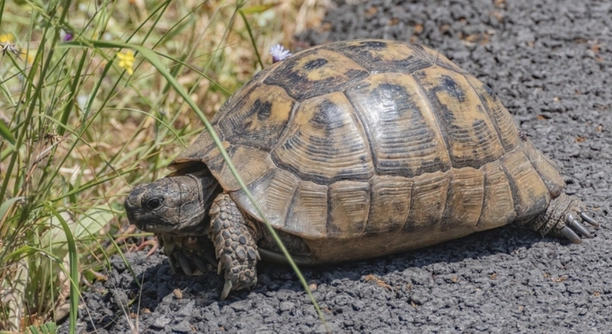
Greek tortoises are known for being unique pets with their own special needs. One of the most important aspects of their care involves ensuring they receive adequate UVB light. UVB lighting plays a significant role in their overall well-being.
Greek tortoises require UVB light to properly absorb calcium and maintain a healthy shell. Without it, they may experience metabolic bone disease and other health issues. Providing UVB light helps mimic the natural sun exposure they would receive in the wild.
In this article, we will explore why UVB light is so crucial for your tortoise’s health. From improving digestion to promoting strong bones, understanding UVB lighting is key to their long-term care and happiness.
UVB Light Helps with Calcium Absorption
UVB light is vital for Greek tortoises because it allows them to properly absorb calcium. Calcium is essential for building strong bones and a healthy shell. Without UVB light, their body cannot synthesize vitamin D3, which is necessary to use the calcium they consume. This can lead to various health issues like soft shells or bone deformities. In the wild, tortoises bask in the sun, which provides them with this important UVB radiation. Since your tortoise doesn’t have access to natural sunlight indoors, a UVB lamp is necessary to mimic these conditions.
Providing UVB light in your tortoise’s habitat is simple but crucial. It ensures they get the proper nutrients they need to stay strong and healthy.
If you want to make sure your tortoise is thriving, the best way is to set up a reliable UVB light source. Make sure it’s the right intensity and placed in a spot where your tortoise can bask regularly. Regular exposure to UVB light will support your tortoise’s health and prevent issues like metabolic bone disease. Without proper UVB exposure, the calcium they eat won’t be absorbed, leading to problems that can be difficult to reverse.
UVB Light Boosts Immune System Health
When your tortoise gets enough UVB light, their immune system benefits as well. This light helps stimulate their body’s production of vitamin D3, which is crucial for maintaining strong immunity.
UVB light strengthens the immune system by supporting vitamin D3 production. This vitamin helps your tortoise fight off infections and diseases. When your pet lacks it, their body may struggle to stay healthy, making them more susceptible to illnesses.
Consistent UVB light exposure ensures your tortoise can protect itself from infections and recover more quickly if it gets sick. It’s a simple, natural way to keep them healthier and more active.
UVB Light Supports Proper Digestion
UVB light plays a key role in helping your tortoise properly digest food. Without it, their metabolism can slow down, leading to digestive problems.
Exposure to UVB light helps regulate the digestive system by enabling your tortoise to absorb essential nutrients from their food. When they aren’t receiving enough UVB, their body struggles to process and utilize the food, which can lead to weight loss, lethargy, and other health issues. This can be avoided by providing a consistent source of UVB light in their habitat.
Additionally, good digestion supports overall energy levels and keeps your tortoise active and alert. Regular UVB exposure ensures their digestive system works efficiently, allowing them to thrive on a balanced diet.
UVB Light Prevents Shell Problems
Without adequate UVB light, a Greek tortoise is at risk for developing shell deformities. Their shells may soften or become weak, which can lead to more serious issues over time.
UVB light promotes the growth and hardening of the shell by supporting proper calcium metabolism. Without it, your tortoise will struggle to maintain a healthy shell, making them vulnerable to damage or infections. A lack of UVB exposure is one of the main reasons tortoises develop soft or malformed shells.
To prevent this, it’s important to provide your tortoise with UVB light on a regular basis. Ensuring they get enough light will help them grow and maintain a strong, protective shell throughout their life.
UVB Light Regulates Behavior
UVB light helps keep your tortoise active and alert. Without it, they can become sluggish or even develop abnormal behaviors like hiding too much.
When your tortoise gets enough UVB exposure, they’re more likely to be out and about, exploring their environment. If they aren’t getting enough UVB, you may notice that they’re more lethargic, eat less, or spend more time in hiding.
A consistent light source is vital for maintaining a balanced and healthy routine. Proper lighting will keep your tortoise’s energy up, encouraging them to stay active and engaged.
UVB Light Affects Reproductive Health
UVB light also plays a role in your tortoise’s reproductive health. When they get the right amount of UVB, it supports healthy egg production and overall fertility.
If a female tortoise lacks adequate UVB light, it may struggle to lay healthy eggs. Without enough exposure, the development of eggs can be impaired, leading to reproductive complications. Ensuring your tortoise gets UVB light can prevent these issues and support a smoother reproductive process.
For male tortoises, UVB exposure may influence their activity levels and mating behavior. A well-lit environment helps keep your tortoise in good reproductive health, promoting their ability to produce healthy offspring.
FAQ
What type of UVB light should I use for my Greek tortoise?
The best type of UVB light for your Greek tortoise is a fluorescent tube or a compact fluorescent bulb that emits UVB rays in the 290-320nm range. Make sure the light is specifically labeled for reptiles, as it is designed to meet their needs. UVB light bulbs should be replaced every 6-12 months, even if they still work, as their UVB output diminishes over time. You can also consider UVB basking bulbs that provide both heat and light. Always ensure the bulb covers a large portion of their habitat to allow your tortoise to move around under it.
How long should my Greek tortoise be exposed to UVB light each day?
Greek tortoises need around 10-12 hours of UVB light exposure each day. This simulates the natural sunlight cycle. A timer can be used to ensure consistent light exposure. Avoid leaving the light on for too long, as this can disrupt their natural sleep cycle. At night, tortoises should have complete darkness to mimic their natural habitat. If you’re using UVB light for an indoor habitat, it’s important to have a day-night cycle that mimics the seasons, adjusting the amount of light depending on the time of year.
Can my Greek tortoise get enough UVB light through a window?
No, your tortoise cannot get sufficient UVB light through a window. Glass or plastic filters out UVB rays, meaning they won’t be able to absorb the light effectively. If you want your tortoise to benefit from natural sunlight, consider placing them outside for a short period, but only if the weather is appropriate. It’s essential to still use artificial UVB lighting indoors as a primary source, as outdoor exposure isn’t always available.
Is it okay to use heat lamps instead of UVB light?
Heat lamps are useful for providing warmth to your tortoise, but they do not emit UVB light. They are not a substitute for proper UVB lighting, as they only regulate the temperature and do not contribute to calcium absorption or overall health. You need a dedicated UVB bulb for your tortoise, in addition to any heat lamps you may be using. Make sure both temperature and lighting are balanced for optimal care.
How can I tell if my tortoise is getting enough UVB light?
If your tortoise is getting enough UVB light, it should show signs of good health, like an active demeanor, bright eyes, and strong, healthy shells. If you notice any signs of lethargy, poor appetite, shell deformities, or abnormal behavior, it may be a sign that they are not receiving enough UVB light. Additionally, improper lighting can lead to soft shells and brittle bones, so monitor your tortoise regularly for these health indicators.
How close should my tortoise be to the UVB light?
The distance between your tortoise and the UVB light depends on the strength of the bulb. Typically, the UVB light should be placed about 12-18 inches above the basking area. Ensure the bulb’s intensity is appropriate for this distance, as too much distance can reduce its effectiveness. If you have a stronger UVB bulb, you may be able to place it farther away. Always check the manufacturer’s instructions for the correct distance to ensure your tortoise gets adequate exposure.
Can UVB light be harmful to my tortoise if overexposed?
While UVB light is crucial for your tortoise’s health, overexposure can cause harm. Too much UVB light can lead to eye damage, burns, or skin irritation. Ensure that your tortoise has access to shaded areas where they can escape from the light when they need to cool down. You should also avoid direct exposure to UVB lights for extended periods and always follow the recommended exposure times. Keeping a proper balance of UVB exposure is key to your tortoise’s overall health.
What are signs that my tortoise is suffering from UVB deficiency?
If your tortoise is suffering from UVB deficiency, you may notice several physical symptoms. These can include a soft or deformed shell, swollen limbs, or difficulty moving. They may also show signs of lethargy, a lack of appetite, and abnormal behavior like excessive hiding. In severe cases, UVB deficiency can lead to metabolic bone disease, which affects the bones and overall strength of your tortoise. If you suspect UVB deficiency, consult a veterinarian immediately for proper diagnosis and treatment.
How do I know if my UVB light is working properly?
It’s important to regularly check your UVB light to make sure it’s emitting the proper amount of UVB radiation. You can use a UV meter to test the strength of the light at various distances from the bulb. If you don’t have a UV meter, replacing the bulb every 6-12 months is recommended to ensure it is still effective. Also, observe your tortoise’s behavior; if they seem lethargic or show signs of health issues, the UVB light might not be working properly.
Can I use UVB light and natural sunlight together?
Yes, natural sunlight and artificial UVB lighting can be used together. If you place your tortoise outside, make sure the weather is appropriate, and never leave them outside unattended. Natural sunlight provides excellent UVB exposure, but for indoor setups, artificial UVB light is necessary for a controlled environment. Be sure to monitor temperature and light cycles to keep things balanced.
Final Thoughts
Providing UVB light for your Greek tortoise is essential for their overall health and well-being. It mimics the natural sunlight they would receive in the wild and helps them absorb calcium, which is necessary for strong bones and a healthy shell. Without UVB light, your tortoise can face serious health problems, including metabolic bone disease, soft shells, and poor digestion. Regular exposure to UVB light will ensure your tortoise gets the necessary vitamins and nutrients to thrive in its environment.
When setting up UVB lighting, it’s important to choose the right kind of bulb. Fluorescent UVB bulbs or compact fluorescent lights specifically designed for reptiles are the best options. Make sure to replace them every 6-12 months to ensure they still provide the proper UVB radiation. The bulb should be placed at the appropriate distance from the basking area, typically 12-18 inches, to allow for adequate exposure. Remember, consistency is key when it comes to UVB light, so using a timer to provide 10-12 hours of light per day is a good idea.
UVB light not only supports your tortoise’s physical health but also contributes to their behavior and activity levels. A well-lit environment will keep them active and engaged, helping to prevent lethargy and abnormal behavior. Providing UVB light indoors is an easy way to create a healthy habitat for your tortoise, ensuring they live a long and happy life. By understanding the importance of UVB lighting, you can offer the best care possible for your pet.

Hello,
If you enjoy the content that we create, please consider saying a "Thank You!" by leaving a tip.
Every little bit helps us continue crafting quality advice that supports the health, happiness, and well-being of pets around the world, for pets of all shapes, sizes, and species.
We really appreciate the kindness and support that you show us!