
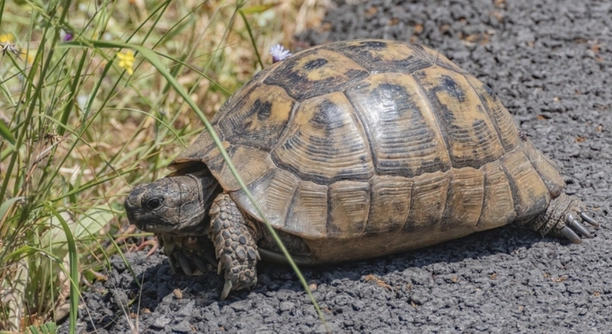
If you’ve noticed your Greek tortoise blowing bubbles, it could be a sign of an underlying health issue. Understanding the cause is important to ensure their well-being. Keep an eye on your pet for any other symptoms.
Blowing bubbles is often caused by respiratory infections, which can be triggered by stress, improper temperature, or humidity. It is essential to address these conditions quickly to prevent further complications such as pneumonia or dehydration.
Proper care and attention can help manage these risks and support your tortoise’s health. Understanding the signs is the first step toward ensuring your pet remains healthy and happy.
Respiratory Infections in Greek Tortoises
Respiratory infections are one of the main reasons why Greek tortoises may blow bubbles from their nose or mouth. These infections often occur due to environmental stressors, such as inadequate temperature, poor humidity levels, or improper housing. Greek tortoises, being cold-blooded animals, require a warm and stable environment. When their habitat is too cold or too humid, their immune system becomes weak, making them more susceptible to respiratory issues. Respiratory infections can also be caused by an unbalanced diet, leading to weakened immune function.
If left untreated, these infections can become more serious, potentially leading to pneumonia or even death. It’s crucial to address the symptoms immediately to prevent complications. A visit to the vet is necessary to diagnose the problem and recommend proper treatment. Additionally, creating a proper habitat, with controlled temperature and humidity, will reduce the likelihood of respiratory infections in the future.
Regularly monitor your tortoise’s behavior and look for other signs like lethargy, loss of appetite, or wheezing. These could be warning signs that something is wrong, and early intervention can make a big difference.
Importance of Proper Temperature and Humidity
Maintaining the right temperature and humidity in your tortoise’s habitat is crucial. A temperature between 75°F and 85°F is ideal, with a basking spot reaching 95°F. Humidity levels should be kept around 50-60%. Without this balance, your tortoise may become stressed, leading to respiratory issues.
A proper setup will allow your tortoise to regulate its body temperature and stay healthy. If the habitat is too dry, your tortoise may experience dehydration, leading to issues like eye problems, respiratory discomfort, or even kidney failure. Too much moisture can cause bacterial growth, leading to fungal infections. Monitoring these environmental conditions will help avoid most health risks.
By controlling the temperature and humidity, you can create a comfortable and safe environment for your tortoise. This will improve their overall well-being and lower the chances of respiratory infections or other health complications.
When to Seek Veterinary Care
If your tortoise shows signs of illness, such as excessive bubbling, you should seek veterinary care as soon as possible. A veterinarian specializing in reptiles will be able to examine your tortoise and provide the appropriate treatment. Respiratory infections are not always easily treated without professional intervention. Antibiotics, fluids, and sometimes nebulization may be necessary for recovery.
Ignoring symptoms or delaying veterinary care can lead to severe complications. Even if the condition seems mild at first, it’s important not to risk your tortoise’s health. A professional can also give you specific guidelines for adjusting their habitat to prevent future health problems. Early detection and treatment are vital to your tortoise’s long-term health.
Consulting with a vet is always a good idea if you’re concerned about any symptoms. Timely treatment is the best way to ensure your tortoise stays healthy and continues to thrive.
Stress and Its Impact on Health
Stress can weaken a Greek tortoise’s immune system, making them more vulnerable to respiratory infections and other illnesses. Common stress factors include changes in environment, loud noises, or inadequate space to roam. Even handling your tortoise too frequently can cause stress, leading to a weakened immune response.
A stressed tortoise will often exhibit changes in behavior, such as reduced activity, hiding, or refusing food. These signs indicate the animal is uncomfortable, and the stress may lead to physical symptoms like bubbling or discharge from the nose. Managing stress involves ensuring a quiet, stable environment with plenty of room to move and hide.
Minimizing stress is vital for maintaining a healthy tortoise. A well-maintained habitat, consistent temperature, and limited handling can help reduce stress levels and prevent health issues. Pay attention to any signs of discomfort or changes in behavior, as early intervention can help your tortoise recover quickly.
Improper Diet and Its Effects
A poor diet can contribute to health problems in Greek tortoises, including respiratory issues. Tortoises need a balanced diet rich in fiber and low in protein and fat. Feeding your tortoise too many high-protein foods, such as lettuce or fruits, can stress their kidneys and lead to problems like respiratory infections.
Offering the right mix of leafy greens, grasses, and occasional flowers ensures they receive the proper nutrients. An imbalanced diet can weaken their immune system, leaving them susceptible to respiratory problems and other health risks. A lack of calcium can also cause bone problems, leading to additional stress.
It’s essential to educate yourself on the proper dietary needs of your tortoise. The right food will not only improve their overall health but also help in preventing serious conditions like respiratory infections. Make sure your tortoise’s diet consists of the right proportions and varieties of food.
Inadequate Shelter
Providing the right shelter is essential for a healthy Greek tortoise. Without a proper habitat, your tortoise may face environmental stress, which can weaken its immune system and cause respiratory problems. Ensure their shelter has the correct temperature, humidity, and adequate space for them to roam comfortably.
A suitable shelter mimics their natural environment. If the enclosure is too small or the temperatures fluctuate, it can cause significant stress. Regularly check for any gaps or poorly insulated areas that might compromise your tortoise’s comfort. Always prioritize a stable environment to keep your tortoise healthy.
Temperature Fluctuations
Fluctuations in temperature can make it difficult for your tortoise to regulate its body. This can result in a weakened immune system, increasing the risk of respiratory infections and other health concerns. A consistent temperature range between 75°F and 85°F is ideal, with a basking spot reaching up to 95°F.
When temperatures drop too low, your tortoise’s immune system becomes less effective at fighting off infections. Temperature instability can stress your tortoise, leading to issues like nasal discharge or bubbling. Maintaining a steady, controlled environment is vital to prevent these complications. A thermometer is essential for monitoring the habitat’s temperature.
Preventing Respiratory Issues
Proper care, including maintaining appropriate temperature and humidity levels, is key to preventing respiratory issues in your Greek tortoise. Stress-free living and a balanced diet will also reduce the risk of developing such health problems. Providing a stable environment helps ensure your tortoise remains healthy.
FAQ
What are the signs that my Greek tortoise might be sick?
The signs that your Greek tortoise may be sick include excessive bubbling or discharge from the nose, wheezing, loss of appetite, lethargy, or changes in behavior like hiding more than usual. A lack of movement or sluggishness can also indicate a health issue. If you notice any of these symptoms, it is important to consult a veterinarian as soon as possible. Respiratory infections, in particular, can worsen quickly without proper treatment.
How can I prevent my Greek tortoise from getting a respiratory infection?
To prevent respiratory infections, maintain the right temperature and humidity levels in your tortoise’s habitat. The temperature should stay between 75°F and 85°F, with a basking spot around 95°F. Humidity levels should be kept around 50-60%. Avoid sudden temperature changes and ensure your tortoise’s environment is stress-free. Also, feed your tortoise a balanced diet rich in fiber and low in protein. Regularly clean their living space and check for any sources of contamination, such as damp bedding or dirty water dishes.
Why does my Greek tortoise seem lethargic?
Lethargy in a Greek tortoise can be a result of several factors, including improper temperature, dehydration, or an illness like a respiratory infection. If the temperature in their habitat is too low or unstable, it can make your tortoise feel sluggish or weak. Ensure that your tortoise’s environment is within the ideal temperature range and that they have access to fresh water at all times. If lethargy persists, a visit to the veterinarian is recommended to rule out underlying health issues.
Can I use a heat lamp to keep my Greek tortoise warm?
Yes, heat lamps can help maintain the proper temperature for your Greek tortoise. A basking spot of 95°F is necessary for proper digestion and overall health. Make sure the heat lamp is positioned correctly so that your tortoise can move between areas of warmth and cooler spaces. However, it’s important to monitor the temperature closely with a thermometer, as too much heat can also cause stress or dehydration. Make sure to provide a temperature gradient in the enclosure, allowing your tortoise to regulate its body temperature.
How often should I clean my Greek tortoise’s enclosure?
You should clean your Greek tortoise’s enclosure regularly to ensure a healthy environment. Spot cleaning should be done daily, removing any waste or soiled bedding. A full cleaning of the enclosure should be performed every 2-4 weeks, depending on the size of the habitat and the number of tortoises. During the full cleaning, replace the bedding, disinfect surfaces, and check for any signs of mold or bacteria growth. A clean environment helps prevent respiratory infections and other health problems.
What should I feed my Greek tortoise?
A Greek tortoise’s diet should consist mainly of fiber-rich plants, such as grasses, dandelion greens, and other leafy greens. Avoid feeding them high-protein foods, like lettuce or fruits, as these can stress their kidneys and lead to health problems. Include occasional flowers like hibiscus, but remember to avoid feeding toxic plants. A calcium supplement is recommended to prevent bone issues. Providing a variety of safe, nutritious foods will help maintain your tortoise’s health and support their immune system.
Is it safe to handle my Greek tortoise often?
While it’s fine to handle your Greek tortoise occasionally, it should not be done too frequently. Excessive handling can cause stress, which can weaken their immune system and lead to health problems. It’s best to keep interactions to a minimum and allow your tortoise to move freely in their enclosure. If you need to handle them for cleaning or checkups, do so gently and quickly to minimize stress.
Can my Greek tortoise live outside?
Yes, Greek tortoises can live outdoors in a secure, sheltered environment, provided that the temperature is consistent and suitable for them. They can benefit from natural sunlight, which helps with vitamin D3 production and overall health. However, outdoor enclosures need to be escape-proof and protected from predators. Ensure that the habitat is free from extreme weather conditions like excessive rain or heat. Monitor the temperature and humidity levels closely to maintain a comfortable and safe environment for your tortoise.
What is the best humidity level for a Greek tortoise?
The humidity level for a Greek tortoise should be kept between 50-60%. Too much humidity can create a breeding ground for bacteria and fungi, while too little can lead to dehydration. Regularly monitor the humidity level with a hygrometer, and adjust accordingly. If your tortoise’s enclosure is too dry, you can mist it with water or provide a shallow water dish to maintain proper moisture levels. Proper humidity is crucial to preventing respiratory issues and ensuring your tortoise’s overall health.
What should I do if my Greek tortoise is not eating?
If your Greek tortoise stops eating, it may be a sign of stress, illness, or an issue with the temperature or humidity in their habitat. Check the environment to ensure the conditions are optimal. If the tortoise continues to refuse food, consult with a veterinarian to rule out any medical conditions. Dehydration or a respiratory infection can lead to a lack of appetite. Offering fresh, appealing food like dandelion greens or adding variety to their diet may encourage eating. If the problem persists, seek professional help.
Final Thoughts
Caring for a Greek tortoise requires attention to detail, especially when it comes to their health. Understanding the signs of illness, such as excessive bubbling or nasal discharge, can help you address problems early. These tortoises are relatively low-maintenance, but their environment must be closely monitored to ensure their well-being. By keeping their habitat at the correct temperature and humidity levels, you can help prevent common health issues like respiratory infections.
The importance of proper diet, temperature control, and cleanliness cannot be overstated. Providing your tortoise with a varied diet, such as leafy greens and grasses, will support their immune system. Likewise, ensuring their shelter is well-maintained and free from drafts or humidity fluctuations helps prevent stress. Stress is one of the most significant contributors to health problems in tortoises, so maintaining a calm, consistent environment is crucial for their long-term health.
Ultimately, paying close attention to these factors will help keep your Greek tortoise happy and healthy. Regular vet checkups are also essential to catch any potential health problems before they worsen. With the right care, your tortoise can live a long, fulfilling life. By staying proactive and attentive to their needs, you can prevent health issues and ensure that your tortoise thrives in its environment.

Hello,
If you enjoy the content that we create, please consider saying a "Thank You!" by leaving a tip.
Every little bit helps us continue crafting quality advice that supports the health, happiness, and well-being of pets around the world, for pets of all shapes, sizes, and species.
We really appreciate the kindness and support that you show us!