
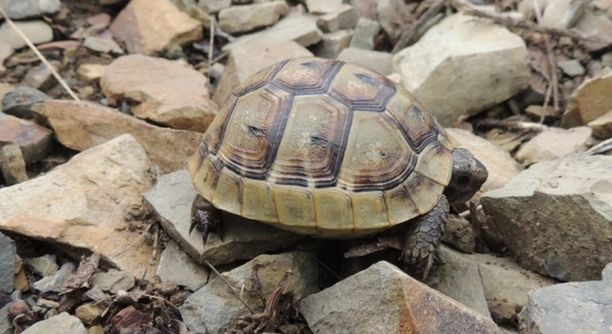
Sometimes, a Greek tortoise can bite its tank mates, which can be concerning to owners. Understanding the reasons behind this behavior is crucial in maintaining a peaceful environment for all your pets.
The biting behavior in Greek tortoises is commonly caused by factors such as territorial instincts, mating behavior, stress, or insufficient space. Environmental conditions and incompatible tank mates may also contribute to this aggression. Understanding the causes can help address the issue.
There are a variety of reasons your tortoise might act aggressively. By identifying the root cause, you can create a healthier and more harmonious habitat for your pets. Let’s explore the causes and how to prevent this behavior.
Territorial Behavior
Greek tortoises are known for their strong territorial instincts. If your tortoise feels its space is being threatened, it may lash out at tank mates. This is especially common when they’re housed with other males or during specific times of the year. Tortoises naturally protect their territory to establish dominance and prevent conflicts over food or shelter.
If the tank is small or crowded, the chances of territorial disputes increase. Each tortoise may feel the need to defend its area, leading to biting. The aggression often worsens if there are more than one male in the tank.
To minimize territorial aggression, provide enough space for each tortoise. A larger enclosure gives them room to roam and set boundaries. You should also offer hiding spots or shelters to allow each tortoise to have its own personal space. This will help reduce the likelihood of conflict and make your tortoises feel more secure.
Stress
Stress is another common cause of biting among Greek tortoises. A stressed tortoise may act out in various ways, including aggression toward tank mates. Factors such as temperature fluctuations, loud noises, or overcrowding can make them anxious.
A stressed tortoise may bite in an attempt to express discomfort or frustration. When they feel unsafe, they may become more aggressive in defending themselves. The environment plays a key role in how calm or stressed a tortoise feels.
To reduce stress, maintain a consistent environment. Ensure proper temperature and humidity levels in the tank. Avoid sudden changes in the habitat, and keep the tank in a quiet, calm area. By reducing stressors, you help prevent biting behavior and encourage a more relaxed environment for all your tortoises.
Mating Behavior
During mating season, Greek tortoises can become more aggressive. Males, especially, may show territorial behavior and bite to assert dominance over other males. This behavior is natural, as they compete for the attention of females.
Male tortoises often demonstrate more aggressive actions, including biting, to establish their territory or to compete for mating opportunities. This can happen even in a shared tank if multiple males are present. It’s important to understand that this behavior is typically driven by instinct rather than hostility.
To minimize aggression, consider housing males separately or ensuring that there’s a sufficient ratio of females to males. This can help reduce competition and the urge to bite. Additionally, providing plenty of space can lessen the intensity of mating-related aggression.
Lack of Space
Limited space in the tank can cause stress and result in biting behavior. Tortoises need ample room to roam and establish their territories. If the tank is too small, they may feel cramped, leading to frustration and aggressive actions toward their tank mates.
If your tortoises feel like they’re constantly bumping into each other or can’t find a spot to rest, they might bite out of annoyance. Space allows each tortoise to feel more secure and reduces territorial disputes. It’s important to keep in mind that tortoises are solitary animals by nature and don’t thrive in crowded conditions.
Ensure your tortoises have enough room to move around comfortably. A larger enclosure with plenty of hiding spots will give them the space they need to avoid conflict. Keeping the tank spacious and well-organized can help maintain a peaceful environment for all your pets.
Incompatible Tank Mates
Not all tortoises get along with others. Some species or even individual tortoises may not tolerate the presence of others. If the tank mates are too different in size or temperament, aggression can occur.
Tortoises are naturally solitary creatures, and when housed with incompatible species, stress and aggression can arise. The size difference between tank mates can also play a role. A larger tortoise might bully or bite a smaller one, even if it’s not intentional.
Ensure that the species you house together are known to be compatible and similar in size. If you’re unsure, research or consult an expert before introducing new tank mates. This can reduce the risk of aggression.
Environmental Factors
Environmental factors such as temperature, humidity, and lighting can influence a tortoise’s behavior. Poor conditions can cause discomfort, leading to aggressive actions like biting.
Inadequate heat or humidity can cause stress, making a tortoise feel unsafe or uncomfortable. Incorrect lighting might disrupt their sleep-wake cycle, further contributing to aggressive behavior. Ensuring a stable and ideal environment is essential for reducing aggression.
FAQ
Why is my Greek tortoise biting its tank mates?
Greek tortoises may bite their tank mates due to several reasons such as territorial behavior, mating instincts, stress, or lack of space. They are naturally solitary creatures, so when housed with others, they may become aggressive to protect their space. If there’s not enough room in the tank, or if the tank mates are incompatible, it can lead to stress and biting. Additionally, during mating season, males may display more aggressive behavior to compete for a mate. Identifying the cause is the first step in solving the issue.
Can I house multiple male Greek tortoises together?
It’s not recommended to house multiple male Greek tortoises together, as this can lead to aggression. Males are more territorial, especially when competing for a mate. Without enough space or clear territory, they may start fighting and biting each other. To prevent aggression, try housing one male with several females or keep males in separate enclosures.
What can I do if my tortoises are fighting?
If your tortoises are fighting, separate them immediately to prevent injury. Make sure their living environment is spacious enough to reduce territorial disputes. Provide hiding spots, basking areas, and multiple feeding stations to give each tortoise its own space. If fighting persists, consider housing them individually or looking into compatible tank mates.
How do I know if my tortoise is stressed?
Signs of stress in tortoises include aggressive behavior, loss of appetite, excessive hiding, or pacing around the tank. Stress can also cause physical symptoms like lethargy or irregular movements. If you notice these signs, review their environment, including temperature, humidity, and tank size, and try to eliminate any stressors.
Can a small tank cause my tortoise to bite?
Yes, a small tank can cause your tortoise to bite. When the tank is too small, the tortoise may feel cramped and stressed, leading to more aggressive behavior. Greek tortoises need a large space to roam freely, so ensure that their enclosure is spacious enough to provide room for movement and territorial boundaries.
Should I change my tortoise’s diet if it’s being aggressive?
Diet can sometimes influence a tortoise’s mood. A poor diet can cause irritability or health issues, which might make them more likely to act aggressively. Make sure your tortoise is getting a balanced diet rich in fiber, such as leafy greens and grasses. Also, ensure they have access to fresh water and proper supplements.
How do I prevent my tortoise from biting other tank mates?
To prevent biting, ensure that the tank is large enough to avoid overcrowding. Providing enough hiding spots, basking areas, and food stations can help each tortoise claim its own space. If the behavior is mating-related, consider separating males or adjusting the ratio of males and females in the tank. Also, maintaining ideal environmental conditions like temperature, humidity, and lighting can help reduce stress and aggression.
Is it normal for tortoises to bite each other?
It’s normal for tortoises to display biting behavior under certain conditions, such as territorial disputes or mating competition. However, constant biting or aggressive behavior is a sign that something in the environment isn’t right, such as overcrowding, incompatible tank mates, or stress. Addressing these factors can help reduce aggressive tendencies.
Can environmental factors make my tortoise more aggressive?
Yes, environmental factors play a significant role in a tortoise’s behavior. Incorrect temperature, humidity, or lighting can cause discomfort, leading to stress and aggression. Make sure the tank is at the appropriate temperature range for Greek tortoises, and keep humidity levels consistent. Proper lighting, including UVB light, is also crucial for their well-being.
What should I do if I have incompatible tank mates?
If you have incompatible tank mates, you may need to separate them immediately to prevent injury. Research the species you intend to house together to ensure compatibility. If you have multiple tortoises, consider housing them in separate enclosures to prevent aggression. Providing individual space for each tortoise is the best solution.
Can biting be a sign of illness in tortoises?
While biting is more often linked to behavioral issues, illness can sometimes play a role in tortoises becoming more aggressive. If your tortoise is biting, in addition to other symptoms like lethargy, loss of appetite, or abnormal behavior, it may be a sign of health problems. In such cases, consult a veterinarian to rule out any underlying medical conditions.
Do tortoises need to be kept in groups?
Tortoises do not need to be kept in groups. They are solitary animals by nature and can feel stressed when housed with other tortoises, especially if they don’t have enough space. While some species may tolerate others, Greek tortoises are best kept alone or with a carefully considered balance of males and females.
Can I stop my tortoise from biting without separating them?
In some cases, you can reduce biting behavior without separating the tortoises. Increasing the size of the enclosure, adding more hiding spaces, and providing separate feeding areas can help reduce territorial disputes. If mating season is causing the behavior, consider adjusting the male-to-female ratio or moving the males to different tanks during this time.
Final Thoughts
Understanding why your Greek tortoise is biting its tank mates is the first step toward solving the issue. It’s important to remember that biting is often a natural behavior related to instincts like territory protection, mating, or stress. Greek tortoises are solitary animals, and when they are kept with others, they may exhibit aggression, especially if there isn’t enough space or if their environment isn’t ideal. By observing their behavior and considering factors such as tank size, tank mates, and environmental conditions, you can pinpoint the root cause of the aggression.
Creating a peaceful and healthy environment is key to preventing biting. This includes providing ample space for each tortoise, offering separate areas for feeding, and ensuring there are enough hiding spots and basking spots. The right temperature, humidity, and lighting also play a crucial role in keeping your tortoise comfortable and stress-free. If you notice signs of aggression, it might help to adjust their living conditions or even separate them if necessary. By meeting their needs and ensuring their environment is stress-free, you can reduce unwanted biting behavior.
Ultimately, patience and observation are essential. It may take some time to find the perfect balance for your tortoises, especially if you’re housing multiple. Keep in mind that while biting is often a sign of stress, it doesn’t always mean something is wrong with your tortoise. Sometimes, a simple adjustment in their environment can make a big difference. The more you understand your tortoises’ needs and behavior, the better equipped you’ll be to create a harmonious habitat for them.

Hello,
If you enjoy the content that we create, please consider saying a "Thank You!" by leaving a tip.
Every little bit helps us continue crafting quality advice that supports the health, happiness, and well-being of pets around the world, for pets of all shapes, sizes, and species.
We really appreciate the kindness and support that you show us!