
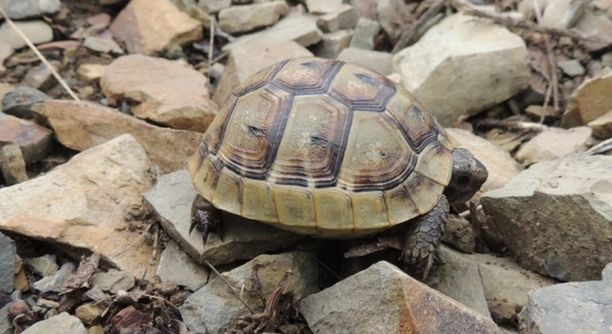
Greek tortoises are well-known for their calm demeanor and slow-moving nature, but there’s much more to them than meets the eye. They have fascinating ways of expressing themselves, some of which might surprise you. Their sounds often go unnoticed but hold meaning in their world.
Greek tortoises can make a variety of unexpected sounds, including grunts, hisses, and even soft clicks. These noises typically occur during interactions with their environment or other tortoises, signaling discomfort, communication, or mating behavior.
Understanding the sounds Greek tortoises make can offer insight into their behavior and needs. These sounds are often subtle but meaningful, making it worth exploring their vocalizations in more detail.
The Sounds Greek Tortoises Make When They Are Happy
Greek tortoises, though usually quiet, can emit sounds when they feel content. These sounds tend to be soft, like gentle grunts or clicks, especially when they are feeding or basking in the sun. Their comfort can be influenced by their surroundings, whether it’s the presence of other tortoises or a well-maintained habitat. If you hear a tortoise making small noises while moving around or eating, it’s a sign they are comfortable and at ease.
These noises might seem insignificant at first, but they show how tortoises interact with their environment. The content sounds are often overlooked, but it’s good to pay attention to them. They are subtle signals that everything is fine.
Understanding these peaceful sounds can be a way of connecting with your tortoise. When they are making these noises, it’s a good indicator that their needs are being met and they are enjoying their surroundings. Being able to identify them can make you more aware of your pet’s emotional state.
The Hissing Sound: A Sign of Discomfort
Hissing is often associated with aggression in many animals, but for Greek tortoises, it’s a sign of discomfort.
The hissing sound is produced when they force air out of their lungs quickly. This typically happens when they feel threatened or irritated. If a tortoise is handled too roughly or placed in an unfamiliar environment, they may hiss as a way to signal distress. Unlike other more vocal creatures, the hissing is less of a warning and more of an expression of discomfort. It’s essential to respect their space and avoid causing unnecessary stress, especially when handling them.
Recognizing the context of the hissing can help you understand your tortoise’s emotional state better. If you hear this sound, it’s likely that something in their environment has made them feel unsafe or uneasy. It’s important to monitor their body language and avoid actions that could trigger this response. Over time, you’ll learn how to make them feel more at ease, which can lead to a more harmonious relationship.
Soft Clicking Sounds: Communication with Other Tortoises
Greek tortoises can make soft clicking sounds during interactions with other tortoises. These clicks are often heard when they are in close contact, especially during mating season. It’s a way of communicating with each other, signaling presence or intention. These noises may seem subtle, but they help the tortoises navigate social dynamics.
While these clicking sounds might seem minor, they hold importance in the tortoises’ social interactions. Tortoises use these sounds to establish their space or to show interest in another tortoise. When heard, it’s often a sign that your tortoise is trying to connect with others, whether for mating or simple social behavior.
By paying attention to these clicks, you can better understand their social needs. These sounds indicate that your tortoise is trying to communicate, signaling curiosity or possibly seeking interaction with a mate. It’s a reminder that tortoises have social lives and express themselves in various ways.
The Grunt: A Sign of Aggression
Grunting can be a sign that a tortoise is feeling aggressive or defensive.
This sound often occurs when a tortoise is cornered or provoked. If they feel threatened by another tortoise or an outside force, they may grunt as a warning. This noise is a way of expressing irritation or discomfort, particularly when they feel their space is being invaded. It’s important to watch for this sound and adjust their environment to reduce stress.
If you notice your tortoise grunting, try to figure out what’s triggering the behavior. It could be caused by too much handling, too many animals in one area, or a change in their habitat. A tortoise may grunt to communicate that they need space or that they are not comfortable with their surroundings. Taking steps to prevent aggression can help reduce the frequency of these sounds.
The Chirping Sound: An Unexpected Occurrence
Occasionally, Greek tortoises can produce a soft chirping sound, which might surprise many owners. This sound is rare but can happen during specific behaviors like mating. The chirping is not common, but it’s an intriguing sound when it occurs.
While the chirping is not as frequent as other sounds, it’s believed to be a part of their mating ritual. When they are in close proximity to potential mates, the chirping can serve as a form of communication, signaling their interest. It’s a behavior that can help you recognize their natural instincts during breeding seasons.
Understanding this chirping sound helps clarify what your tortoise may be experiencing during certain times of the year. If you hear it, it’s likely a sign of natural instincts kicking in. This sound may not happen often, but it’s interesting to observe when it does.
Tortoise Squeaks: A Rare but Telling Sound
Squeaks from Greek tortoises are quite rare, but they can sometimes be heard when the tortoise is in discomfort.
Squeaks are typically produced when a tortoise is feeling physically pressured or is under stress. This sound may come from struggling with movement or from an uncomfortable position. If a tortoise is stuck in a confined space or is being handled too roughly, they may make a squeaking noise. It’s a sign that they are not at ease.
If you ever hear this sound, it’s a good idea to assess the situation. Ensure your tortoise has enough space to move freely and is not under any stress. Proper care, handling, and environment are key to avoiding this sound.
Sounds in Nature: The Tortoise’s Surroundings
Greek tortoises can also make faint sounds in response to changes in their environment.
Environmental factors like humidity, temperature, and light can influence the tortoises’ behavior and sounds. When their habitat isn’t right, they may become restless or express discomfort. These environmental shifts can cause them to make soft grunts or clicks as a response. These sounds are often subtle and not immediately obvious but can indicate that their surroundings are affecting them. Adjusting the environment can help reduce these noises.
FAQ
Can Greek tortoises make noises while eating?
Yes, Greek tortoises can make soft noises while eating. These sounds often include gentle grunts or clicks. This is normal and indicates that they are comfortable while feeding. They may make these sounds when they are enjoying their food or simply moving around to nibble on plants. It’s not something to worry about unless the sounds are associated with signs of discomfort.
What does it mean if my tortoise is hissing?
If your Greek tortoise is hissing, it typically means they are feeling threatened, stressed, or defensive. This sound is made by expelling air from their lungs quickly and can happen if they are disturbed, handled too roughly, or feel cornered. If you hear hissing, try to create a calm environment for your tortoise to help reduce their stress.
Why does my Greek tortoise grunt?
Grunting is usually a sign of discomfort or irritation. If a tortoise is feeling provoked or threatened, they may grunt to signal their unease. It can also happen during mating behavior or when they’re in a competitive situation with other tortoises. To avoid grunting, ensure your tortoise has enough space and is not stressed by other animals or handling.
What does a chirping sound from my tortoise mean?
A chirping sound is rare but can be heard during mating behavior. When a male tortoise is interacting with a female, it might produce soft chirps as part of its courtship ritual. If you hear this sound, it’s usually a sign that your tortoise is experiencing natural mating instincts, and it’s a healthy part of their behavior.
Is it normal for my tortoise to make squeaking noises?
Squeaking is not common in Greek tortoises but may happen when they are in physical discomfort or under stress. If a tortoise is stuck or being handled too roughly, they might make a squeaking sound. It’s important to check their environment and ensure they have enough space to move freely, especially if you hear this noise.
How can I tell if my tortoise is stressed by its sounds?
Stressed Greek tortoises often make sounds like hissing, grunting, or even squeaking. These sounds are typically produced when they are feeling threatened, trapped, or uncomfortable. If you notice any of these noises along with signs of physical stress, like withdrawn behavior or refusal to eat, it’s a good idea to check their habitat or handling. Make sure their living space is peaceful, clean, and appropriately sized.
Do Greek tortoises make sounds when they are happy?
Yes, Greek tortoises can make soft sounds when they are content, particularly when they are eating or basking in a comfortable spot. These sounds are often small grunts or clicks that indicate they are relaxed and enjoying their environment. If your tortoise is making these sounds regularly, it’s a good sign that they are happy and comfortable.
What should I do if my tortoise is making unusual sounds?
If your tortoise is making sounds you’ve never heard before, it’s important to observe the context. Are they being handled too roughly? Are there other animals around causing stress? Ensure their habitat is appropriate, with plenty of space, proper lighting, and a balanced diet. If the sounds persist and seem linked to distress, it’s always a good idea to consult with a vet to rule out any health issues.
Do tortoises make noises when they are mating?
Yes, Greek tortoises often make sounds during mating. These sounds can include grunting, clicking, and occasionally chirping. Male tortoises will usually make these sounds to get the attention of females or to communicate with other males. The noises are part of their natural mating behavior and are typically nothing to worry about.
How do I know if my tortoise is comfortable with me?
When your tortoise is comfortable, they will be relaxed and calm around you. You might hear them making small sounds like clicks or gentle grunts when they are content. If they seem anxious, they may make hissing or grunting sounds, which are signs that they are not enjoying the interaction. By observing these sounds along with their body language, you can gauge how your tortoise feels about being handled.
Are the sounds Greek tortoises make dangerous to their health?
In most cases, the sounds Greek tortoises make are not dangerous to their health. They are simply vocalizations that indicate their emotional or physical state. However, if these sounds are accompanied by signs of distress, such as refusal to eat, lethargy, or abnormal behavior, it could indicate an underlying health issue. If you are concerned, consulting a veterinarian is always a good step.
Final Thoughts
Understanding the sounds that Greek tortoises make can provide valuable insight into their well-being and behavior. While they may not be as vocal as other animals, they do communicate through various sounds, whether it’s a soft grunt, a hiss, or even an occasional chirp. These noises can tell us a lot about their emotional state, helping us ensure they are comfortable and stress-free. For example, when they make content noises while eating or basking, it’s a good sign that they are happy with their environment.
On the other hand, sounds like hissing, grunting, or squeaking should be taken as signals that something might be wrong. These sounds usually indicate discomfort, stress, or aggression, so it’s important to pay attention to the context in which they occur. If your tortoise is frequently making these sounds, it could mean that their living space needs adjustment, or they may be feeling threatened by other animals or people. Ensuring they have a calm, secure environment can reduce stress and prevent these negative vocalizations.
Overall, while Greek tortoises might not be as expressive as other pets, they still have ways of communicating their needs. By paying attention to the sounds they make, you can better understand their emotions and create a comfortable space for them. These small noises can help you provide a better environment, whether it’s adjusting their habitat or simply being mindful of how you handle them. If you notice any sudden or troubling changes in the sounds your tortoise makes, it’s always a good idea to check in with a veterinarian to rule out any health concerns.

Hello,
If you enjoy the content that we create, please consider saying a "Thank You!" by leaving a tip.
Every little bit helps us continue crafting quality advice that supports the health, happiness, and well-being of pets around the world, for pets of all shapes, sizes, and species.
We really appreciate the kindness and support that you show us!