
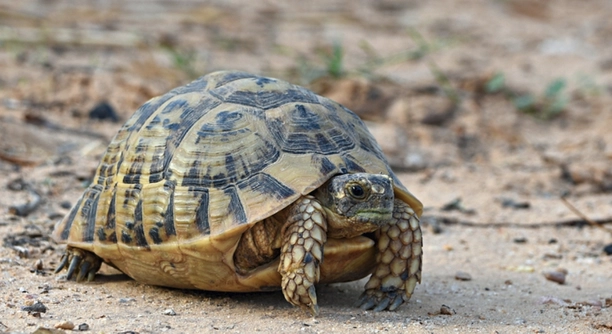
Greek tortoises are unique and fascinating creatures. If you have one, you may have noticed some odd behaviors, like digging in its water dish. This action might leave you wondering why your tortoise is doing this.
Tortoises dig in their water dishes for various reasons, including natural instincts, stress, or discomfort. It can also be due to improper environmental conditions or an attempt to find a cooler spot. Understanding these causes can help solve the issue.
There are several factors that might be influencing this behavior. From temperature to habitat conditions, it’s essential to know what’s happening in your tortoise’s environment. Let’s explore why your tortoise is digging in its water dish and how to address it.
Stress or Anxiety
Stress can make your Greek tortoise act in strange ways, like digging in its water dish. Just like humans, tortoises can feel anxious when their environment is not right. This stress could be from sudden changes, loud noises, or the presence of other animals. If your tortoise is stressed, it might feel the need to dig to comfort itself.
Sometimes, a new tank setup or moving your tortoise to a different space can create anxiety. Even too much handling can make them uneasy. When stressed, tortoises may dig as a way to escape or cope with their emotions. It’s important to check their environment and make sure everything feels safe and calm.
In some cases, stress might also lead to a loss of appetite or other signs of distress. If this is happening, observe the situation closely. Try to create a more relaxed space for your tortoise and avoid sudden changes. Ensuring a calm environment can help reduce their anxiety, giving your pet the peace it needs.
Temperature Imbalance
Temperature is crucial for your tortoise’s well-being. When their habitat is too hot or too cold, they may dig in their water dish to find a better temperature. Tortoises need both a warm basking area and a cooler hiding space to stay comfortable.
If the temperature is off, your tortoise might try to find a cooler or warmer area by digging. For example, if the basking spot is too hot, they may dig into their water dish to cool off. Similarly, if the tank is too cold, they might search for warmth by getting closer to the water.
To avoid this, make sure the habitat is properly set up. Use a thermometer to monitor the temperature regularly. The warm side should be around 85-90°F, while the cooler side should be around 70-75°F. Maintaining these temperatures will help prevent your tortoise from feeling the need to dig in its water dish for comfort.
Lack of Proper Hiding Spots
Tortoises naturally seek out places where they can hide and feel secure. If your Greek tortoise doesn’t have enough hiding spots, it may dig in its water dish to create a safe space. This digging behavior can be a way to find a quiet place to retreat when feeling exposed.
When a tortoise feels vulnerable, they instinctively try to find shelter. Without proper hiding areas in their enclosure, they may resort to digging. Offering them a hiding spot like a small cave or box can help. This allows them to feel more at ease and less likely to dig in their water dish. A comfortable, hidden space can reduce this behavior.
To give your tortoise a better environment, place hiding spots around the tank. You can use ceramic dishes, rocks, or even wooden boxes. Ensure these spaces are large enough for your tortoise to fully retreat into. By making your tortoise feel more secure, they will dig less and be more relaxed in their habitat.
Excessive Moisture
Greek tortoises need a dry environment, but too much moisture can create discomfort for them. If their habitat is too damp, they might dig in their water dish as a way to find a dryer area. It’s important to balance humidity levels to keep them healthy and comfortable.
When your tortoise feels like the ground is too moist, it will likely seek drier ground. This can lead them to dig into their water dish in search of a more suitable spot. To prevent this, make sure you have proper ventilation in their enclosure and avoid over-watering plants. You can also use dry bedding to absorb excess moisture.
Humidity should be around 50-60%, with no standing water in the tank. If you notice your tortoise digging into its water dish due to excess moisture, check the enclosure’s humidity levels and adjust accordingly. Keeping the environment dry will help your tortoise stay comfortable and prevent unnecessary digging.
Boredom
Boredom is a common reason tortoises dig. If they’re not mentally stimulated or provided with enough variety in their environment, they may start digging to entertain themselves. Greek tortoises, like many reptiles, need stimulation to stay active and healthy.
Try adding more variety to your tortoise’s enclosure. Different textures, plants, or toys can help keep them engaged. Offering food in new ways, like hiding it around the tank, can also encourage natural foraging behaviors. This will not only prevent boredom but also keep your tortoise physically and mentally active. The more engaging the space, the less likely they will dig out of frustration.
Hunger or Searching for Food
Greek tortoises may dig in their water dish when they’re hungry or searching for food. This behavior is often seen when they’ve eaten all their available food or feel there’s something they missed. If there’s not enough food in their tank, they’ll try to find it.
Providing a consistent feeding schedule will help ensure your tortoise isn’t constantly looking for more food. Offering a balanced diet of vegetables, leaves, and occasional fruits will keep them satisfied. If you notice your tortoise digging more around feeding times, it might be a sign to adjust the amount or timing of meals.
FAQ
Why is my Greek tortoise digging in its water dish?
Your Greek tortoise might dig in its water dish for various reasons, such as stress, boredom, or discomfort with the environmental conditions. It could be trying to find a cooler or drier spot if the temperature or humidity isn’t right. It could also be a natural instinct to burrow or hide, especially if it feels insecure in its space. Stressors like loud noises, changes in its environment, or other animals might also contribute to this behavior. Checking the habitat’s temperature, humidity, and overall setup can help resolve the issue.
How can I stop my tortoise from digging in its water dish?
The best way to stop your tortoise from digging in its water dish is by addressing the underlying cause. First, check the temperature and humidity in the enclosure. Make sure it’s balanced with a warm basking area and a cooler hide spot. Ensure your tortoise has hiding spots in its tank to feel secure and reduce stress. Also, add some variety to the environment by placing rocks, logs, or plants that can provide mental stimulation and prevent boredom. If the enclosure feels safe and comfortable, your tortoise may stop digging.
Is it normal for a Greek tortoise to dig a lot?
Yes, it’s normal for Greek tortoises to dig. Digging is a natural behavior, and they use it to create burrows, search for food, and regulate their body temperature. However, excessive digging, especially in specific spots like a water dish, could indicate discomfort or stress. If your tortoise is digging too much in one area, check for potential causes like improper temperature, humidity, or lack of stimulation. A little digging here and there is fine, but consistent or compulsive digging may need attention.
How can I tell if my tortoise is stressed?
Signs of stress in a tortoise can include digging excessively, refusing food, hiding more than usual, or acting lethargic. Stress can be caused by a range of factors like temperature changes, loud noises, new environments, or handling too much. If your tortoise is frequently digging in its water dish or showing other signs of distress, it may be worth evaluating its habitat and routine. Reducing handling and providing a more secure, quiet environment can help alleviate stress.
Should I be worried if my tortoise is digging in its water dish?
It’s not necessarily a cause for concern, but it’s a behavior worth investigating. If your tortoise is digging in its water dish occasionally, it may just be part of its natural instincts. However, if it’s doing this regularly or excessively, it could indicate that something in its environment is off. Checking the temperature, humidity, and hiding spots in the tank will help. If the behavior continues despite adjustments, it may be helpful to consult a vet to ensure there’s no underlying health issue.
How can I create a better environment for my Greek tortoise?
To create a better environment for your Greek tortoise, make sure it has both a warm basking spot and a cooler area where it can retreat. The warm side should be between 85-90°F, and the cooler side should be 70-75°F. Providing plenty of hiding spots, like rocks or small caves, will help your tortoise feel secure. Avoid over-watering plants or having standing water in the enclosure, as excess moisture can make your tortoise uncomfortable. Keep the habitat clean, and offer a variety of food and enrichment to keep your tortoise healthy and engaged.
Is it okay to put a water dish in my tortoise’s enclosure?
Yes, it’s perfectly fine to have a water dish in your tortoise’s enclosure. Greek tortoises need access to fresh water at all times to stay hydrated. However, make sure the dish is shallow enough for the tortoise to easily access and not too deep, as they might get stuck. Some tortoises may prefer drinking from a shallow dish rather than soaking, so keep the water clean and refreshed daily. If your tortoise is digging in the water dish, it may be a sign that the dish is too deep or the habitat isn’t properly set up.
What should I feed my Greek tortoise to prevent boredom?
Feeding your Greek tortoise a variety of fresh vegetables, leaves, and occasional fruits can help prevent boredom. Greek tortoises are herbivores and enjoy a diet rich in fiber. Offer a mix of leafy greens like dandelion, collard greens, and kale. You can also sprinkle calcium powder on their food to ensure they’re getting the right nutrients. Hiding food around the enclosure or offering it in new ways can encourage natural foraging behaviors and add some stimulation. Avoid feeding them too many high-fat foods like lettuce or fruits, as this can lead to health issues.
What should I do if my tortoise isn’t eating?
If your tortoise isn’t eating, first check its habitat conditions. Make sure the temperature and humidity are correct, as an improper environment can cause a loss of appetite. Stress or illness can also affect eating habits. Ensure that the food you’re offering is fresh and appropriate for your tortoise. If the tortoise continues to refuse food, it might be worth visiting a vet to rule out any underlying health issues, such as parasites or infections. Sometimes, a little patience and environmental adjustment are all it takes for your tortoise to start eating again.
Can my Greek tortoise get too hot in its enclosure?
Yes, Greek tortoises can get too hot if their basking area is too warm. The temperature on the warm side of the enclosure should be between 85-90°F, and it should never exceed 95°F. If your tortoise is digging excessively in its water dish or seems lethargic, it may be a sign that the environment is too hot. Make sure you have a thermometer in the enclosure to monitor the temperature regularly and ensure your tortoise is not at risk of overheating. If necessary, adjust the heating lamp or add a cooler area for them to retreat to.
Final Thoughts
It’s natural for Greek tortoises to dig as part of their behavior, but when they dig in their water dish, it can be a sign of an underlying issue. Understanding why your tortoise might be doing this can help you provide a better environment and ensure they are comfortable. Whether it’s due to stress, temperature imbalances, or boredom, small changes to their setup can make a big difference in their behavior.
First, it’s important to address any potential stressors in the environment. Tortoises need a quiet, safe space, free from loud noises or sudden changes. Ensure that the temperature in their enclosure is correct, with a warm basking area and a cooler retreat space. Proper humidity levels and hiding spots will also make your tortoise feel secure and reduce any anxiety that could be causing excessive digging. Providing enrichment like rocks, plants, and hiding spots can help reduce boredom and keep your tortoise engaged.
Finally, if your tortoise’s behavior continues despite adjusting its environment, it might be worth consulting a veterinarian. While occasional digging is normal, persistent or unusual behavior might indicate health problems that need attention. By creating a comfortable, balanced habitat and watching for signs of stress or discomfort, you can help your tortoise live a healthier, happier life.

Hello,
If you enjoy the content that we create, please consider saying a "Thank You!" by leaving a tip.
Every little bit helps us continue crafting quality advice that supports the health, happiness, and well-being of pets around the world, for pets of all shapes, sizes, and species.
We really appreciate the kindness and support that you show us!