
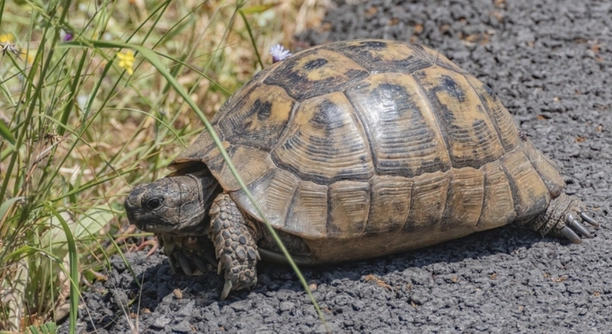
A Greek tortoise’s behavior can be puzzling, especially when it frequently buries itself. Understanding why this happens can help ensure the well-being of your pet and provide insights into its natural instincts.
There are several reasons why your Greek tortoise may bury itself, including instinctive behaviors such as seeking warmth, safety, or comfort. It could also be related to environmental factors like humidity, light, or stress. Addressing these issues can help.
Knowing the cause of your tortoise’s burrowing behavior will enable you to create a more comfortable and suitable environment for it to thrive.
Reason 1: Temperature Regulation
Your Greek tortoise’s burrowing behavior is likely linked to temperature regulation. Tortoises often dig to create a cooler or warmer environment depending on their needs. In the wild, they use burrowing as a way to escape extreme temperatures, which can also apply to pet tortoises in captivity. If their habitat is too hot or cold, they may instinctively bury themselves to find a more comfortable temperature.
Providing a proper temperature gradient in their enclosure is essential. Ensure there are warm and cool areas for your tortoise to choose from. A basking light should be positioned in one section, while a cooler area should offer a temperature drop, allowing your tortoise to regulate its body heat.
Creating an optimal temperature range can prevent your tortoise from becoming stressed. If your pet frequently buries itself and appears lethargic or uncomfortable, adjusting the temperature may be the first step in resolving the issue. Proper heat will encourage natural behavior, making the tortoise feel safe and comfortable in its habitat.
Reason 2: Stress and Anxiety
Stress can also cause a Greek tortoise to bury itself. Changes in the environment, loud noises, or even unfamiliar people can make them feel insecure, prompting them to dig and hide. Tortoises are sensitive creatures, and anxiety can be triggered by factors that might seem small to us.
Tortoises thrive in calm, stable environments. If your pet is consistently burying itself, consider evaluating its living conditions. Ensure the habitat is quiet, with minimal disturbances. Adding hiding spots and plants can also give your tortoise more areas to retreat to when it feels overwhelmed.
Stress can have long-term effects on your tortoise’s health, so it’s crucial to address any sources of anxiety. Reducing disruptions, creating a more natural setting, and limiting handling can go a long way in promoting a peaceful, secure environment for your pet.
Reason 3: Natural Instincts
Burying is an instinctive behavior for Greek tortoises. In their natural habitat, they dig to create shelters, hide from predators, or regulate temperature. This behavior is deeply rooted in their evolutionary traits, and even in captivity, tortoises will exhibit this instinct to feel safe.
If your tortoise is constantly digging and burying itself, it’s likely trying to mimic the behavior it would perform in the wild. They may create a hideaway for comfort or security. Ensuring your pet’s environment has ample space for digging can allow it to fulfill this natural need.
Allowing your tortoise to dig in a safe, controlled space will help reduce stress and ensure it feels secure. Providing soft substrates, such as soil or coconut coir, will encourage this natural behavior. It will also prevent unnecessary anxiety from burrowing in unsuitable materials that may not replicate its wild instincts.
Reason 4: Mating Behavior
Burying itself could also be related to mating instincts, especially during certain seasons. Male tortoises, in particular, may display digging behavior as part of their search for a mate. This behavior can become more noticeable during breeding seasons when hormones drive them to seek out potential mates.
Female tortoises may also dig to create nests for laying eggs, even in a pet setting. If your tortoise is of the right age and sex, it could instinctively dig as part of its reproductive process. It’s important to provide the proper environment for these behaviors to ensure the health of both the tortoise and its eggs.
To manage this behavior, provide an enclosure with soft, deep soil. If you have a female tortoise, ensure there is an appropriate area for her to lay eggs. Ensuring their physical and psychological needs are met will create a more comfortable environment for these natural instincts.
Reason 5: Humidity Levels
Humidity plays a major role in the well-being of a Greek tortoise. If the environment is too dry, your tortoise may bury itself in search of moisture or a more comfortable climate. Tortoises often dig to regulate their exposure to the dry air.
Maintaining proper humidity is crucial for their health. If your tortoise is burying itself regularly, check the humidity levels in its enclosure. A hygrometer can help measure this accurately, ensuring that the enclosure maintains a suitable environment.
Adding moisture sources like a shallow water dish or misting the enclosure can help maintain the right balance. Adjusting humidity will reduce your tortoise’s need to bury itself for comfort or hydration.
Reason 6: Health Issues
Burrowing behavior could also signal that your tortoise is unwell. Illnesses, parasites, or discomfort can cause a tortoise to bury itself in an attempt to isolate itself from possible stressors. Observing other behaviors can help identify if health issues are involved.
If your tortoise seems lethargic, has trouble eating, or is acting differently from its usual self, it’s worth having it checked by a vet. Health concerns should be addressed promptly to prevent further distress and discomfort.
Regular health check-ups and a clean, stable environment can help avoid this type of burrowing. It’s important to rule out any underlying health problems that might be causing unusual behavior.
Reason 7: Overfeeding
Overfeeding can lead to your Greek tortoise burying itself. When a tortoise eats more than necessary, it may feel sluggish and seek shelter to rest or hide. This can happen if the portions are too large or feeding frequency is excessive.
Feeding your tortoise the right amount of food is important to prevent overfeeding. Overeating can cause discomfort, making it seek out a place to rest or burrow. Keep track of portion sizes based on your tortoise’s age and size.
By adjusting the amount of food and sticking to a balanced feeding schedule, you can help your tortoise avoid excessive burrowing due to overfeeding.
FAQ
Why is my Greek tortoise always burying itself?
There are several reasons why your Greek tortoise might bury itself. It could be a natural behavior for temperature regulation, stress relief, or even instinctive actions like mating or egg-laying. Environmental factors like humidity, temperature, and available space also play a role. If your tortoise is burying itself often, consider checking its enclosure’s temperature and humidity levels. Ensure it has enough space and hiding spots to feel secure. It’s essential to make the environment as comfortable as possible to help reduce unnecessary burrowing.
Can my Greek tortoise dig itself out of its enclosure?
Greek tortoises are known for their digging abilities, but they are not likely to dig out of their enclosures if the environment is secure. If your tortoise is digging to escape, check for weak spots in the enclosure. Ensure the walls are tall enough and buried deep enough to prevent escape. Additionally, keep the substrate in the enclosure dense enough to discourage extensive digging. Regularly inspect for gaps or areas where the tortoise may try to escape.
How can I stop my tortoise from digging?
To reduce digging, first make sure your tortoise’s needs are met, especially regarding temperature and humidity. Make the enclosure more comfortable by providing both warm and cool areas to regulate body temperature. You can also provide plenty of hiding spots and deep, soft substrate that allows for natural digging behavior. However, if digging continues, it may be due to stress, health issues, or mating instincts. Addressing any underlying issues can help reduce the digging behavior.
Is it normal for my tortoise to burrow when it’s not hot?
Yes, burrowing is a normal behavior, even when it’s not hot. Greek tortoises burrow for various reasons, such as seeking safety, comfort, or to lay eggs. They also instinctively dig to hide from potential predators or harsh environmental conditions. Burrowing can be especially common during breeding seasons, but it’s important to monitor the environment to ensure there are no stressors causing the behavior.
How deep should I make the substrate for my Greek tortoise?
The substrate should be deep enough to allow your tortoise to dig comfortably. Aim for at least 6-8 inches of substrate, depending on the size of the tortoise. A deeper substrate allows your tortoise to express natural digging behavior while providing the necessary space for burrowing. Use materials like coconut coir, soil, or a mix that retains moisture but is easy to dig through. Make sure the substrate is not too wet, as this can lead to mold or other health issues.
What temperature should my Greek tortoise’s enclosure be?
A temperature gradient is important to ensure your tortoise can regulate its body heat. The basking area should be between 90°F and 95°F, while the cooler side of the enclosure should be around 75°F to 80°F. This gradient mimics natural conditions and allows your tortoise to move between warm and cooler areas as needed. Keep in mind that a basking light and heat source should be provided to ensure your tortoise remains warm enough to thrive.
How can I tell if my tortoise is stressed?
Stress in Greek tortoises can manifest in behaviors such as burrowing excessively, loss of appetite, or hiding for long periods. Other signs include lethargy, aggressive behavior, or reluctance to interact with its surroundings. Stress can be caused by a range of factors, such as environmental changes, noisy surroundings, improper temperature, or overcrowding. If you notice any of these signs, it’s essential to address the possible sources of stress and make your tortoise’s environment more stable and secure.
Why is my tortoise not eating and constantly burying itself?
If your tortoise is not eating and is consistently burying itself, it could be a sign of stress or health issues. Illnesses such as respiratory infections or parasites can cause your tortoise to behave this way. Stress from environmental changes or a lack of proper temperature and humidity can also contribute. Ensure the enclosure is set up properly and consult a vet if the behavior persists. It’s important to rule out health problems that could be causing these symptoms.
Can I handle my tortoise while it is burying itself?
It’s generally best to avoid handling your tortoise while it is burying itself, as this is often a sign it is seeking solitude or comfort. Constant handling, especially during times of burrowing or hiding, can increase stress. Give your tortoise space to burrow or rest without interruption. Allowing your tortoise to choose when to interact and when to hide will help maintain a comfortable, stress-free environment.
What should I do if my tortoise keeps digging up the substrate?
If your tortoise keeps digging up the substrate, check if the depth and type of material are appropriate. Consider adding more substrate to provide a deeper digging area. You may also need to adjust the environmental conditions. Too much or too little humidity can make the substrate less appealing. Additionally, ensure your tortoise has plenty of hiding spots and enrichment in its environment to help reduce the need for excessive digging.
Is it okay to let my tortoise burrow for long periods?
It’s perfectly normal for a Greek tortoise to bury itself for extended periods, especially if it feels secure and comfortable. However, if it stays buried for days or shows signs of lethargy, it’s worth checking for possible health issues. Ensure that the enclosure is properly maintained and that your tortoise has access to fresh water and food. Burrowing for long periods is a natural behavior, but it should not be excessive or a sign of underlying stress or illness.
Final Thoughts
Understanding why your Greek tortoise buries itself can help you provide the best care and create an environment that keeps your pet healthy and happy. Burrowing is a natural behavior for tortoises, and it can occur for a variety of reasons, such as regulating temperature, finding comfort, or simply feeling secure. However, it’s important to ensure that the enclosure is set up correctly with proper temperature gradients, humidity levels, and enough space for your tortoise to feel safe and relaxed. Checking on these conditions regularly will help prevent unnecessary stress and excessive burrowing.
When observing your tortoise, it’s crucial to distinguish between normal behavior and signs that might indicate health issues or environmental stress. If your tortoise buries itself for a short period or occasionally digs, it is usually nothing to worry about. However, if it consistently avoids food, shows signs of lethargy, or refuses to come out of hiding, these may be signs of stress or illness. In these cases, adjusting the environment or consulting a vet might be necessary to ensure your tortoise is in the best possible condition. Regular monitoring of both its physical and emotional needs will help ensure a long and healthy life.
In conclusion, burrowing is a common and natural behavior for Greek tortoises, but it is essential to understand the reasons behind it and how to manage it. Maintaining the right environment, providing sufficient enrichment, and ensuring the health of your tortoise will help reduce unnecessary stress and create a comfortable space for your pet. Keeping an eye on their behavior and environment will go a long way in addressing any concerns and ensuring they thrive.

Hello,
If you enjoy the content that we create, please consider saying a "Thank You!" by leaving a tip.
Every little bit helps us continue crafting quality advice that supports the health, happiness, and well-being of pets around the world, for pets of all shapes, sizes, and species.
We really appreciate the kindness and support that you show us!