
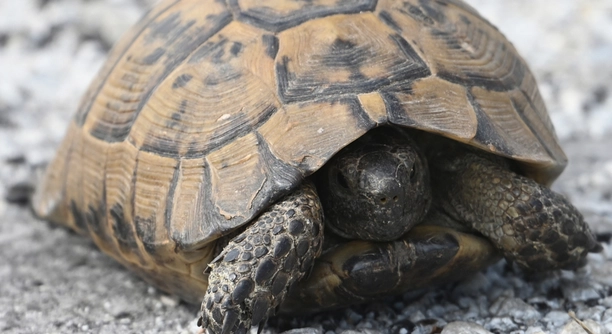
A Greek tortoise’s weight loss can be worrying, but understanding the causes is important for its care. Proper attention and a few changes can often help restore your tortoise’s health and well-being.
Weight loss in a Greek tortoise can be attributed to several factors, including improper diet, inadequate habitat conditions, or underlying health issues. Common causes may include dehydration, parasite infestations, stress, or hibernation-related weight loss. Addressing these issues can help improve your tortoise’s condition.
By considering these potential causes and taking the necessary steps, you can ensure your tortoise’s health is well-maintained and prevent future weight loss concerns.
1. Improper Diet
A poor diet can be one of the main reasons why a Greek tortoise might be losing weight. These tortoises need a diet that is high in fiber and low in protein. Offering them leafy greens, such as dandelion greens, and other plant-based foods is essential. It’s important to avoid giving them too many fruits or vegetables that are high in sugar. Overfeeding on high-protein foods like meat or commercial tortoise pellets can also lead to digestive issues and weight loss. Also, a lack of calcium in their diet can cause health problems that affect their overall condition.
Make sure you’re feeding your tortoise the right mix of plant matter. Fresh vegetables, grasses, and weeds should make up most of their diet. Avoid feeding them processed foods or anything too rich.
Keep track of the variety and quality of food provided. If you’re unsure about your tortoise’s diet, it’s a good idea to consult a reptile vet to get guidance on what your tortoise specifically needs.
2. Inadequate Habitat Conditions
The conditions in which your tortoise lives play a big role in its health. If the habitat is too cold or too dry, it could stress out your Greek tortoise and lead to weight loss. These tortoises need a warm, dry environment during the day and a cooler, humid environment at night. If the enclosure isn’t set up with appropriate lighting and temperature control, your tortoise could become lethargic or stop eating, which results in weight loss.
Maintaining the right humidity level is also key. If your tortoise’s habitat is too dry, it could lead to dehydration. You can ensure a proper habitat by investing in good UVB lighting and heat lamps to simulate natural conditions. Make sure the temperature fluctuates appropriately between day and night.
Regular checks on the humidity levels and temperature in the enclosure can ensure your tortoise stays comfortable and healthy. Small adjustments to their habitat can make a noticeable difference in their weight and overall health.
3. Dehydration
Dehydration can cause significant weight loss in Greek tortoises. These tortoises require a constant supply of water for hydration, especially if they’re in a dry environment. Dehydration can lead to lethargy, reduced appetite, and eventually, weight loss. Providing fresh water in a shallow dish every day can help ensure your tortoise stays hydrated.
You can also mist their enclosure to increase humidity, especially if the air is too dry. Tortoises may not always drink water from a dish, but they can absorb moisture through their skin. You can soak your tortoise in warm water for about 20 minutes a few times a week to prevent dehydration and encourage water intake.
Monitor their behavior for signs of dehydration, such as reduced activity and lack of appetite. If dehydration continues, your tortoise may become more vulnerable to other health issues.
4. Stress
Stress can cause Greek tortoises to lose weight. Stress can be triggered by changes in their environment, loud noises, or too much handling. It’s important to maintain a stable, quiet space for them to feel secure and avoid undue stress.
If your tortoise is constantly moving around or hiding, it may be stressed. This could lead to a decrease in food intake, resulting in weight loss. Ensure their enclosure is free from disturbances, and avoid overcrowding with other pets. A calm, predictable routine can help your tortoise feel safe.
Additionally, handling them too often or roughly can lead to unnecessary stress. Keep interactions to a minimum, and be gentle when handling your tortoise.
5. Parasite Infestation
Parasites are another common reason why Greek tortoises lose weight. These can include internal parasites like worms or protozoa. Parasites can interfere with nutrient absorption, leading to weight loss and digestive issues. If you notice your tortoise is eating normally but still losing weight, a vet check is necessary.
Symptoms like lethargy, diarrhea, or changes in the stool can indicate an internal parasite issue. A stool sample test at the vet can help confirm if parasites are present. Treatment often involves medications prescribed by the vet to clear up the infection.
Regular deworming can also help prevent future infestations. Be sure to keep their environment clean and avoid overcrowding with other animals that might introduce parasites.
6. Hibernation
During hibernation, Greek tortoises can naturally lose some weight. This is a normal process, but excessive weight loss can be a sign of underlying issues. Their metabolism slows down during hibernation, and they don’t eat as much, so some weight loss is expected.
To prevent unhealthy weight loss, it’s essential to ensure your tortoise is in the right condition before hibernation. Make sure they are well-fed and hydrated for at least a few weeks leading up to hibernation. Also, ensure the temperature and humidity are consistent, as improper conditions can affect their metabolism and cause complications.
Keep an eye on their weight before and after hibernation to make sure they are not losing too much.
FAQ
Why is my Greek tortoise losing weight despite eating?
There are several reasons why your tortoise may still be losing weight even if it appears to be eating. Common causes include stress, improper diet, dehydration, or internal parasites. If your tortoise isn’t absorbing the nutrients properly, it can lead to weight loss despite normal eating habits. A thorough check of their habitat, diet, and any signs of illness is necessary. A vet visit may also be needed to rule out parasites or health issues.
How can I tell if my Greek tortoise is stressed?
Signs of stress in a Greek tortoise can include excessive hiding, a lack of appetite, and sudden changes in behavior. If your tortoise is not moving around as usual or seems overly agitated, this could be a sign of stress. Additionally, a tortoise that is losing weight without a clear cause may also be dealing with stress. Reducing noise, improving their habitat conditions, and ensuring minimal handling can help reduce stress levels.
What should I do if my Greek tortoise is dehydrated?
If your Greek tortoise is showing signs of dehydration, you can help by soaking them in warm water for about 20 minutes a few times a week. Make sure fresh water is always available in their enclosure, even if they don’t drink from it directly. You can also mist the enclosure to increase humidity. If dehydration persists, it’s essential to consult a vet for further treatment, as dehydration can lead to other health problems.
Can I treat my tortoise’s parasites at home?
It’s always best to consult a vet for treating parasites. While there are over-the-counter dewormers, they may not be effective for all types of parasites, and using the wrong treatment can harm your tortoise. A vet will be able to prescribe the correct medication after diagnosing the type of parasite. Regular check-ups and stool samples can help monitor your tortoise’s health and prevent future infestations.
How much weight loss is normal for a hibernating Greek tortoise?
During hibernation, a slight weight loss is normal. Greek tortoises’ metabolism slows down significantly during this time, and they do not eat as much. However, a loss of more than 10% of their body weight can be concerning and may indicate a health issue. It’s important to monitor your tortoise’s weight both before and after hibernation to ensure they are maintaining a healthy weight.
How often should I feed my Greek tortoise?
Greek tortoises should be fed daily when they are active and have a good appetite. The diet should consist mainly of leafy greens, weeds, and grasses. It’s important to provide fresh food every day and remove any uneaten food to keep their habitat clean. During winter months or if your tortoise is preparing for hibernation, feeding can be reduced, but it’s essential to ensure they are well-fed before hibernation begins.
Can I give my Greek tortoise fruit?
Fruits should be given to your Greek tortoise only in moderation. While tortoises enjoy fruit, it can be high in sugar, which isn’t ideal for their health in large quantities. Offering small portions of fruits like strawberries or melon once or twice a week is sufficient. Overfeeding fruit can lead to obesity or digestive issues, so balance it with their usual leafy greens and grasses.
Why isn’t my Greek tortoise eating?
There are several potential reasons why your Greek tortoise might stop eating. Stress, changes in their environment, poor diet, or illness can all cause a lack of appetite. If your tortoise is not eating for more than a few days, check for signs of stress, discomfort, or illness. If no clear cause is found, a vet visit is necessary to rule out any underlying health problems.
Can temperature affect my Greek tortoise’s weight?
Yes, temperature plays a significant role in the health and appetite of a Greek tortoise. If their environment is too cold or too hot, they may stop eating or become lethargic. Maintaining the correct temperature gradient (warm during the day and cooler at night) is essential to their digestion and overall health. If their habitat is improperly heated or lacks sufficient UVB light, it could contribute to weight loss and a decrease in activity.
How do I know if my Greek tortoise is healthy?
A healthy Greek tortoise will have a good appetite, be active during the day, and have a smooth, well-formed shell. If your tortoise is eating, drinking, and behaving normally, it’s usually a good sign of good health. Watch out for any changes in their behavior, appetite, or weight, as these can be indicators of health issues. Regular check-ups with a reptile vet can help ensure your tortoise stays healthy.
Final Thoughts
If your Greek tortoise is losing weight, it’s important to understand the possible causes and how to address them. Weight loss can be a sign of various factors like stress, poor diet, dehydration, or even parasites. Regular observation is key to identifying any changes in behavior, eating habits, or overall health. Understanding what might be causing the issue is the first step in helping your tortoise get back on track.
Maintaining the right environment for your tortoise is essential. Ensure that they have proper temperature and humidity levels in their enclosure. A consistent habitat can help prevent stress and promote healthy digestion. Also, offering a varied diet with plenty of greens, grasses, and occasional fruits is important for their well-being. If you suspect an issue like parasites or a health condition, seeking help from a vet is always a good choice.
Ultimately, your Greek tortoise’s health and comfort depend on your attention and care. Keep their enclosure clean, offer fresh food and water daily, and monitor their behavior for any signs of illness. Regular vet check-ups can also help catch potential problems early. With the right environment and care, your tortoise will thrive and maintain a healthy weight.

Hello,
If you enjoy the content that we create, please consider saying a "Thank You!" by leaving a tip.
Every little bit helps us continue crafting quality advice that supports the health, happiness, and well-being of pets around the world, for pets of all shapes, sizes, and species.
We really appreciate the kindness and support that you show us!