
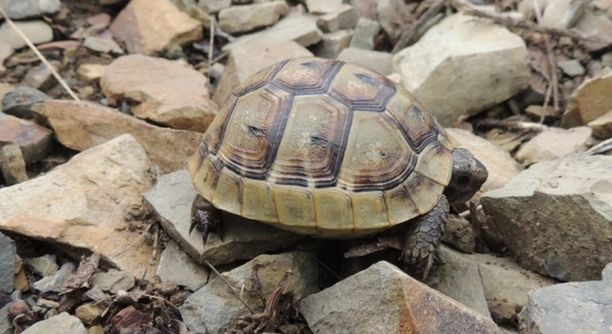
Greek tortoises are popular pets that need careful attention when it comes to their diet. Offering them the right foods is essential for their health and well-being. Some foods, however, can cause digestive issues in these reptiles.
Certain foods, while seemingly harmless, can lead to digestive problems in Greek tortoises. Overfeeding or offering inappropriate foods can cause bloating, diarrhea, or other gastrointestinal concerns, which can negatively impact their overall health.
Learning which foods to avoid can help keep your tortoise healthy and prevent uncomfortable digestive issues. In the following sections, we will highlight foods that may be problematic for your pet.
1. Dairy Products and Greek Tortoises
Dairy products, such as cheese and milk, can be hard for Greek tortoises to digest. These reptiles are lactose intolerant, meaning they cannot properly break down lactose, the sugar found in dairy. When given dairy, it can lead to stomach upset, diarrhea, or more severe digestive issues. It’s easy to think of offering them a small treat like cheese, but it’s best to avoid these items altogether. Stick to foods that align with their natural diet.
Avoiding dairy will protect your tortoise from unpleasant health problems. They thrive best on plant-based diets, with plenty of fiber to support their digestive system. Keeping their meals dairy-free helps maintain their balance and prevents unnecessary health concerns.
Instead, opt for leafy greens, grasses, and vegetables that are more suited to their digestion. Foods like dandelion greens, clover, and kale are perfect options. These are high in calcium and fiber, helping to maintain strong bones and proper digestion. Dairy should be kept out of their diet entirely, ensuring a healthier tortoise overall.
2. High-Protein Foods
Greek tortoises are herbivores and do not require high amounts of protein. Offering foods rich in protein, such as meat or insects, can throw off their nutritional balance. Excess protein can lead to kidney problems and improper growth. For healthy tortoises, a diet low in protein is the key to long-term health.
Protein is necessary for growth, but Greek tortoises obtain all their needs through plants. Too much protein, however, disrupts their system. High-protein diets can result in kidney stress and the inability to process essential nutrients. Stick to plant-based foods to avoid these risks.
A high-protein diet can also cause shell deformities and metabolic bone disease. This is because excessive protein interferes with the absorption of calcium, a vital nutrient for their shell development. Opt for a plant-focused diet, including grasses and leafy vegetables, to meet their nutritional needs without overloading them on protein. Keep their diet varied but plant-based to maintain their health.
3. Fruit with High Sugar Content
Fruits like bananas, grapes, and apples are tasty but can cause digestive problems in Greek tortoises when fed in excess. The high sugar content can lead to bloating, diarrhea, and other digestive issues. Moderation is key when offering fruits to your tortoise.
Though fruits are healthy, too much sugar can overwhelm their digestive system. Greek tortoises’ natural diet doesn’t consist of high-sugar fruits, so offering them too often or in large amounts isn’t ideal. A small portion of fruit every once in a while is fine, but it’s crucial not to make it a regular part of their diet.
Instead, focus on fibrous vegetables like bell peppers or leafy greens. These help maintain their digestive health and are much more suited to their natural eating habits. Over time, you’ll notice that a balanced, low-sugar diet improves your tortoise’s overall well-being.
4. Cabbage and Other Cruciferous Vegetables
Cabbage, broccoli, and other cruciferous vegetables can cause bloating and gas in Greek tortoises. These vegetables are often too rich in compounds that interfere with their digestion. When consumed regularly, these veggies can upset their stomachs and lead to discomfort.
Cruciferous vegetables contain goitrogens, which can interfere with the thyroid gland’s function. Although they aren’t harmful in small amounts, consuming too much can hinder calcium absorption, leading to metabolic issues. For Greek tortoises, it’s best to offer cabbage or broccoli sparingly, if at all.
You can substitute these vegetables with safer options like dandelion greens, which are much gentler on their system. Lettuce, collard greens, and even hibiscus flowers are great alternatives to the gas-causing effects of cruciferous vegetables. Over time, your tortoise will thrive on a diet free of these troublesome foods.
5. Iceberg Lettuce
Iceberg lettuce offers little nutritional value to Greek tortoises. It’s mostly water, which can cause diarrhea and dehydration if eaten in large amounts. While it’s not toxic, it doesn’t support their overall health and should be avoided in favor of more nutrient-dense greens.
The high water content in iceberg lettuce can make your tortoise feel full without providing necessary nutrients. Since it lacks fiber and vitamins, it isn’t an ideal food choice. If you want to offer lettuce, opt for darker varieties like romaine, which provide more nutritional benefits and are gentler on your tortoise’s digestion.
6. Avocado
Avocado contains a toxin called persin, which is harmful to many animals, including Greek tortoises. While they may nibble on a small piece, it’s best to avoid giving them avocado altogether. The risk outweighs any potential benefits.
Persin in avocado can cause heart problems and digestive distress in tortoises. Even small amounts can lead to issues, so it’s safer to stick to other plant-based foods like leafy greens and grasses that are more suitable for their digestive system. Keeping avocado out of their diet ensures their safety and long-term health.
7. Rhubarb
Rhubarb leaves contain oxalic acid, which is toxic to Greek tortoises. This substance can interfere with calcium absorption, leading to serious health problems. It is best to avoid rhubarb completely.
The stalks of rhubarb are generally considered safe, but the leaves pose a major risk. Greek tortoises should never be allowed to eat any part of the rhubarb plant. Instead, offer safe, non-toxic plants like dandelions and clover to ensure your tortoise’s safety and health.
FAQ
1. Can Greek tortoises eat tomatoes?
Tomatoes can be fed to Greek tortoises, but they should only be given in moderation. They are high in water and can cause digestive upset if eaten too often. The main concern with tomatoes is their high acidity, which can sometimes irritate their stomach. The leaves and stems of the tomato plant are toxic and should never be fed to your tortoise. A small piece of ripe tomato once in a while is safe, but it should not be a regular part of their diet.
2. Are there any vegetables Greek tortoises shouldn’t eat?
Yes, there are certain vegetables that Greek tortoises should avoid. Vegetables like onions, leeks, and garlic are toxic to them and can cause serious health issues. Avoid feeding them starchy vegetables like potatoes, which don’t align with their natural diet and can disrupt their digestion. It’s also best to limit vegetables like spinach, which contain oxalates that can interfere with calcium absorption. Stick to fibrous, leafy greens and weeds that closely resemble their natural diet in the wild.
3. How often should I feed my Greek tortoise?
Greek tortoises should be fed daily, especially when they are younger and still growing. As adults, you can reduce the frequency to every other day. The amount of food depends on the tortoise’s size, age, and activity level. In general, provide them with a variety of leafy greens, weeds, and grasses. A good rule of thumb is to offer food that covers about the size of their shell each day. It’s important not to overfeed, as they are prone to obesity if they consume too many high-calcium foods or fruits.
4. Can I feed my Greek tortoise fruit?
Fruit can be given to Greek tortoises but should be offered sparingly due to its high sugar content. Too much fruit can lead to digestive issues like diarrhea or bloating. Stick to lower-sugar fruits like berries and occasional slices of melon. Avoid giving them fruits that are too rich in sugar or acidic, such as grapes, as they may upset their stomach. If you choose to offer fruit, make it a small treat rather than a regular meal component.
5. Is it safe for Greek tortoises to eat flowers?
Many flowers are safe for Greek tortoises to eat, but it’s important to know which ones. Flowers like hibiscus, dandelions, and clover are great choices and mimic their natural diet. Avoid giving them flowers that have been treated with pesticides or chemicals. While tortoises enjoy flowers, not all blooms are suitable. Some, like daffodils, are toxic and can cause harm. Always do research to ensure the flowers you’re offering are safe, and provide them in moderation.
6. Can Greek tortoises eat nuts or seeds?
Nuts and seeds are not suitable for Greek tortoises. These are high in fats and proteins, which can disrupt their delicate nutritional balance. Greek tortoises thrive on a diet that is rich in fiber and low in fats. Feeding them nuts or seeds can lead to digestive problems, obesity, or kidney stress. Stick to their natural diet of fibrous vegetables, leafy greens, and grasses for optimal health.
7. How can I keep my Greek tortoise healthy and prevent digestive issues?
To keep your Greek tortoise healthy, it’s important to offer a balanced diet that mimics what they would eat in the wild. This means providing a variety of high-fiber, low-protein foods like leafy greens, weeds, and grasses. Avoid high-sugar fruits and starchy vegetables, and steer clear of toxic plants. Make sure they have access to clean, fresh water and provide them with a warm, clean environment to encourage healthy digestion. Regularly check their weight and overall condition to ensure they’re not developing any health problems.
8. Are there any common signs that my tortoise has digestive problems?
Signs of digestive problems in Greek tortoises include diarrhea, lack of appetite, bloating, or abnormal stools. If your tortoise seems lethargic or is not eating, it might indicate digestive distress. Over time, persistent digestive issues can lead to dehydration and malnutrition. If you notice any of these signs, it’s important to review their diet and make sure you’re offering appropriate foods. If symptoms persist, it’s best to consult with a vet who specializes in reptiles to ensure your tortoise’s digestive health is properly addressed.
9. Can Greek tortoises eat lettuce?
Not all types of lettuce are suitable for Greek tortoises. While romaine and other darker varieties are safe, iceberg lettuce should be avoided. Iceberg lettuce has very little nutritional value and is mostly water, which can lead to diarrhea and dehydration. Lettuce is best offered in moderation, with a focus on more nutrient-dense greens like kale, collard greens, or dandelion greens. These provide a better balance of fiber, calcium, and vitamins needed for a healthy tortoise.
10. What should I do if my Greek tortoise refuses to eat?
If your Greek tortoise refuses to eat, first make sure that the environment is suitable. Ensure they have access to appropriate temperatures, as they need warmth to digest food properly. Check their diet to see if you’re offering the right foods—sometimes tortoises refuse to eat if the food is unfamiliar or not to their liking. Try offering a variety of leafy greens or even a small amount of fruit as a treat. If the lack of appetite persists, it could indicate a health problem, so consulting a vet would be the next step.
11. Can Greek tortoises eat weeds from outside?
Yes, Greek tortoises can eat many types of weeds from outside, but only if they haven’t been exposed to chemicals or pesticides. Weeds like dandelions, clover, and plantain are excellent additions to their diet and closely resemble what they would find in the wild. Always wash any weeds thoroughly to remove dirt and potential contaminants. Avoid feeding them weeds from areas that may have been treated with harmful chemicals, as these can make your tortoise sick.
12. Should I provide calcium supplements for my Greek tortoise?
Calcium is essential for Greek tortoises to maintain strong shells and bones. While a balanced diet with calcium-rich greens and vegetables may provide some calcium, it’s often a good idea to supplement their diet with a calcium powder. Dusting their food lightly with calcium powder can help prevent metabolic bone disease and support their overall health. Ensure the calcium supplement is specifically designed for reptiles, and avoid those with added phosphorus, which can interfere with calcium absorption.
When it comes to caring for a Greek tortoise, diet plays a crucial role in their overall health and well-being. These reptiles require a balanced diet made up mainly of high-fiber, plant-based foods like leafy greens, grasses, and edible weeds. Foods that are rich in sugars, proteins, or fat can upset their digestive system and lead to various health problems, such as obesity or kidney stress. It’s essential to avoid certain foods, like dairy, high-protein items, and fruits with excessive sugar. Making informed decisions about what to feed your tortoise will help keep them healthy and happy.
Additionally, it’s important to recognize that every tortoise is unique. While there are general guidelines for feeding and caring for them, observing your tortoise’s individual preferences and behaviors can help you fine-tune their diet. For example, some tortoises may enjoy certain vegetables or flowers more than others. Keeping an eye on their weight, appetite, and overall condition will give you valuable insight into their health. Regularly offering fresh, safe foods, along with clean water, is a simple way to help your tortoise thrive in its environment.
Ultimately, the goal is to provide a diet that closely mirrors what Greek tortoises would naturally eat in the wild. Their digestive systems are designed to process fibrous plants, not sugary fruits or fatty foods. A proper diet will not only help prevent digestive issues but also support strong bones and healthy shell growth. By avoiding harmful foods and providing a balanced, varied diet, you can ensure your Greek tortoise leads a long and healthy life.

Hello,
If you enjoy the content that we create, please consider saying a "Thank You!" by leaving a tip.
Every little bit helps us continue crafting quality advice that supports the health, happiness, and well-being of pets around the world, for pets of all shapes, sizes, and species.
We really appreciate the kindness and support that you show us!