
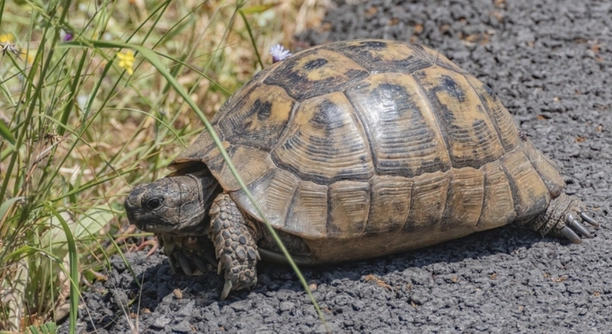
Greek tortoises are unique creatures that need a special diet to stay healthy. Just like any pet, their immunity is essential for a long, happy life. Offering the right foods can make a big difference.
Several natural foods can boost the immunity of Greek tortoises. These foods contain essential vitamins and minerals, supporting their overall health and helping to prevent illnesses. Including a variety of these in their diet promotes a stronger immune system.
Incorporating these foods into your tortoise’s diet can help them thrive. Keep reading to learn which natural foods you should offer to ensure they remain healthy and protected.
Dandelion Greens
Dandelion greens are an excellent addition to a Greek tortoise’s diet. These plants are full of vitamins A, C, and K, which support immune health. They also contain high levels of calcium and iron, which are important for bone health and overall growth. Dandelions are easy to find in the wild or at the store, making them an accessible option. The high fiber content aids in digestion, contributing to your tortoise’s overall well-being. If you have access to organic dandelions, they are even better since they’re free from harmful pesticides. When feeding dandelions to your tortoise, make sure to wash them thoroughly to remove any dirt or chemicals.
Dandelion greens provide various health benefits, from immunity support to promoting healthy digestion. Their high nutritional value makes them a go-to food for a Greek tortoise.
Introducing dandelion greens into their daily meals can have a noticeable impact on your tortoise’s health. Regular consumption of these greens ensures that your pet gets a natural, nutrient-rich boost. Along with other healthy foods, they form the foundation of a strong immune system.
Cactus Pads
Cactus pads are another great food option for Greek tortoises. These pads are packed with moisture, which can help keep your tortoise hydrated, especially in dry climates. They also offer a good amount of fiber to aid digestion. Cactus pads can be found in various stores or even in the wild, depending on your location. It’s important to peel off the spines before offering them to your tortoise, as they can cause harm if ingested. By cutting the cactus pad into small, manageable pieces, you make it easier for your tortoise to eat and enjoy the benefits.
Cactus pads are hydrating and nutritious, making them a good choice for supporting your tortoise’s immune system.
Adding cactus pads to your tortoise’s diet is an easy way to keep them healthy. The hydration they offer is particularly beneficial during hot weather or when your tortoise is showing signs of dehydration. This, combined with their fiber content, helps ensure your pet stays strong and supported throughout the year.
Kale
Kale is packed with vitamins A, C, and K, essential for a healthy immune system. Its antioxidants help protect against cellular damage. Offering kale regularly can support your tortoise’s long-term health, ensuring they stay strong and resilient.
Kale also provides fiber, which aids digestion and promotes a healthy gut. This leafy green can be a great supplement to your tortoise’s diet, keeping them regular and ensuring they absorb the nutrients they need. The calcium in kale also supports bone health, which is important for their overall strength.
When adding kale to your tortoise’s meals, ensure it’s properly washed and free from any pesticides or chemicals. Offering it in moderation can prevent overconsumption of calcium, which can sometimes cause kidney issues. By incorporating kale alongside other natural foods, you help your tortoise maintain a balanced, nutritious diet.
Clover
Clover is another nutritious food for Greek tortoises. This plant is rich in fiber, calcium, and antioxidants, all of which help support a strong immune system. The calcium content in clover promotes healthy bone development and shell growth, making it a beneficial option for young tortoises.
Clover also provides a variety of other vitamins and minerals that are important for overall health. It can be found in your backyard or purchased from stores. However, ensure the clover you collect is free from pesticides and other chemicals, as these can harm your tortoise. Offering a mix of clover along with other greens can keep their diet varied and nutrient-rich.
By including clover in their meals, you contribute to a well-rounded diet that supports immunity, bone health, and digestion. Moderation is key, as too much clover can lead to an imbalance of calcium, but small portions can be a nutritious addition.
Red Leaf Lettuce
Red leaf lettuce is a hydrating and nutritious food for Greek tortoises. It’s high in vitamins and low in calories, making it a great option for a balanced diet. Offering it regularly helps maintain hydration and promotes healthy skin.
This lettuce is rich in antioxidants, which help fight free radicals and reduce the risk of illness. It also provides fiber for proper digestion, contributing to overall gut health. Its mild taste makes it easy for your tortoise to enjoy, while its high water content ensures hydration. However, it should be fed in moderation to avoid digestive upset.
Cabbage
Cabbage is another beneficial vegetable for Greek tortoises. It offers essential vitamins and minerals that support a healthy immune system. Cabbage is rich in fiber, which aids digestion, and is low in fat, making it an excellent choice for your tortoise’s diet.
Although cabbage is nutritious, it should not be fed in large quantities. Too much can lead to gas and bloating. To offer it safely, chop it into small pieces and combine it with other leafy greens. This ensures your tortoise enjoys a variety of nutrients without overindulging in any one food.
Zucchini
Zucchini is a great vegetable to offer your Greek tortoise, as it’s rich in water, making it an excellent choice for hydration. It also provides vitamins and fiber to help support your tortoise’s overall health. Zucchini is low in calories, so it can be a frequent addition to their meals.
FAQ
What foods are harmful to Greek tortoises?
Certain foods should be avoided in a Greek tortoise’s diet. Lettuce varieties like iceberg lettuce contain little nutritional value and high water content, which can cause diarrhea. Avoid feeding tortoises foods high in oxalates, like spinach and rhubarb, as these can interfere with calcium absorption. Additionally, fruits like citrus can be too acidic for them, causing digestive upset. Stick to safe, natural foods that support their health, like leafy greens, cactus pads, and dandelion greens.
Can Greek tortoises eat fruits?
Yes, Greek tortoises can eat fruits, but only in moderation. Fruits should make up a small portion of their diet because of their sugar content. Overfeeding fruit can lead to digestive problems and obesity. Safe fruits to offer include berries, melons, and occasionally, apples or pears. Avoid giving them citrus fruits like oranges, which can cause stomach upset.
How often should I feed my Greek tortoise?
A healthy adult Greek tortoise should be fed daily. Provide a variety of fresh vegetables and greens in their diet. Young tortoises may need more frequent feedings, but adult tortoises can have one large meal per day. Make sure to adjust their portions based on their activity level and size. Always remove uneaten food to prevent it from spoiling.
Can Greek tortoises eat flowers?
Yes, Greek tortoises can eat certain types of flowers. Safe options include hibiscus, dandelions, and clover flowers. These flowers provide additional vitamins and minerals to your tortoise’s diet. However, avoid flowers from plants that may be toxic, such as daffodils, lilies, or tulips. Always check for pesticide use before offering them flowers from outside.
Is calcium important for Greek tortoises?
Yes, calcium is crucial for Greek tortoises, especially for their bone health and shell development. Greek tortoises need adequate calcium to avoid metabolic bone disease and shell deformities. You can supplement their diet with calcium powder, but be sure not to overdo it. Providing a variety of calcium-rich foods, like dandelion greens and clover, is also helpful.
Can Greek tortoises drink water?
Greek tortoises do drink water, though they get most of their hydration from the foods they eat. It’s important to provide clean water daily for drinking and soaking. Soaking helps keep them hydrated and assists with shedding their skin. Make sure the water dish is shallow enough for them to drink without risk of drowning.
How do I know if my Greek tortoise is healthy?
A healthy Greek tortoise will have clear, bright eyes, smooth and unbroken shells, and an alert demeanor. They should be eating regularly and moving around, showing interest in their surroundings. Shells should be hard and free from soft spots or cracks. If your tortoise is lethargic, refusing food, or showing signs of infection, consult a veterinarian.
What is the best substrate for Greek tortoises?
The best substrate for Greek tortoises is one that mimics their natural environment. A mix of soil and sand or coconut fiber works well, as it allows them to dig and burrow, which is part of their natural behavior. Avoid using substrates like gravel, as it can cause injuries or digestive issues if ingested.
Can Greek tortoises live outside?
Yes, Greek tortoises can live outside in a suitable, secure environment. They need a space with plenty of sunlight, access to shade, and a safe, escape-proof enclosure. Ensure the outdoor area is free from predators and provides them with natural vegetation, as well as areas to hide or dig. If living outside, they will need protection from extreme weather conditions, such as freezing temperatures or excessive rain.
How do I care for a baby Greek tortoise?
Caring for a baby Greek tortoise requires extra attention, especially when it comes to diet and temperature. Babies need to be fed more frequently, with fresh greens and vegetables daily. They also require a warm environment with temperatures ranging from 80°F to 90°F during the day and slightly cooler at night. Make sure they have a proper UVB light source to help with calcium absorption and promote growth.
What should I do if my Greek tortoise is not eating?
If your Greek tortoise isn’t eating, check for potential health issues, such as dehydration, stress, or an unsuitable diet. Ensure their habitat is clean, warm, and free from disturbances. Sometimes, a change in their environment or diet can cause them to lose interest in food. If the refusal to eat lasts for more than a few days, consult a veterinarian.
Can Greek tortoises eat herbs?
Greek tortoises can eat a variety of safe herbs, which add flavor and nutrition to their diet. Herbs like basil, parsley, and thyme are good options. Be sure to avoid giving them herbs that are too strong or spicy, like oregano or rosemary, as these may irritate their digestive system. Always wash herbs thoroughly before offering them.
Do Greek tortoises need UVB light?
Yes, UVB light is essential for Greek tortoises. It helps them synthesize vitamin D3, which is necessary for calcium absorption. Without proper UVB light, they can develop metabolic bone disease. If your tortoise is indoors, provide them with a UVB light that simulates natural sunlight, and ensure they get 12-14 hours of light per day.
Final Thoughts
Greek tortoises are unique creatures that require specific care and attention to stay healthy. Their diet plays a significant role in maintaining their immune system, and offering them a variety of natural foods can help ensure they get the necessary nutrients. Dandelion greens, clover, cactus pads, and kale are just a few examples of foods that can support their overall health. By including these foods in their daily meals, you provide your tortoise with the vitamins, minerals, and hydration they need to thrive.
It is important to remember that not all foods are safe for Greek tortoises. Some, like iceberg lettuce and citrus fruits, can cause digestive issues or lack nutritional value. Always research any new food before introducing it to your tortoise’s diet, and avoid feeding them anything that could harm their health. If you’re ever uncertain, it’s best to consult with a veterinarian who has experience with reptiles to ensure you’re providing the right nutrition. In addition to food, proper care, such as maintaining the right temperature, humidity, and providing UVB light, is also crucial for their well-being.
By paying attention to your tortoise’s diet and living conditions, you can help them live a long, healthy life. While it may seem overwhelming at first, once you get into a routine of feeding your tortoise a balanced diet and meeting their care needs, it becomes easier. Regularly offering fresh, nutritious foods like those mentioned above will help boost their immunity and keep them strong. With a little time and effort, your Greek tortoise can enjoy a happy, healthy life in your care.

Hello,
If you enjoy the content that we create, please consider saying a "Thank You!" by leaving a tip.
Every little bit helps us continue crafting quality advice that supports the health, happiness, and well-being of pets around the world, for pets of all shapes, sizes, and species.
We really appreciate the kindness and support that you show us!