
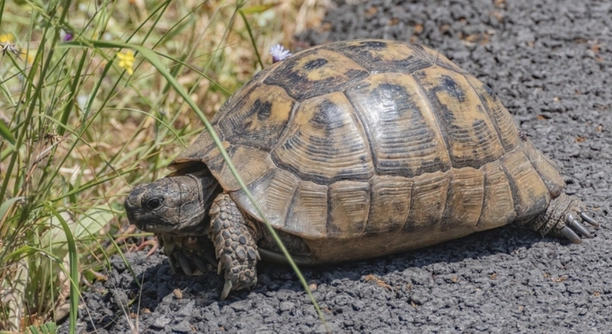
Greek tortoises are fascinating pets, but they can be sensitive to their surroundings. It’s important to create an environment that helps them stay calm and happy. Understanding how to reduce stress is key to their well-being.
The most effective ways to reduce stress for Greek tortoises include providing a proper habitat, avoiding loud noises, offering a varied diet, ensuring temperature regulation, giving them space to roam, minimizing handling, and promoting a natural light cycle.
By making these adjustments, you can help create a peaceful and healthy space for your tortoise. A few simple changes could make a significant difference in their stress levels.
Proper Habitat Setup
Creating the right habitat for your Greek tortoise is crucial to reducing stress. The enclosure should mimic their natural environment as much as possible. A spacious area with access to hiding spots will help them feel safe. Providing a mix of dry and moist areas will allow them to regulate their body temperature.
Temperature control plays a key role in their comfort. The enclosure should have a warm side and a cooler side. Ensure the warm side reaches about 85-90°F during the day, while the cooler side stays around 70-75°F. A good UVB light source is essential for their health, as it helps them absorb calcium.
When setting up their enclosure, avoid overcrowding it with too many objects. Give them enough room to roam and explore. The more they feel they can move freely, the less stressed they will be. It’s a simple but effective way to help them thrive.
Minimize Loud Noises
Stress in Greek tortoises can also stem from loud or sudden noises. They are sensitive to their environment and can easily become startled. Keep their habitat in a quiet area, away from heavy foot traffic or noise.
Greek tortoises have keen hearing and may react to sounds that might not seem loud to us. Their natural instinct is to seek shelter when they feel threatened. A calm, quiet space allows them to feel more secure and relaxed.
Proper Diet for Stress Relief
A balanced diet is another important factor in reducing stress. Offering a variety of fresh greens and occasional fruit can keep them healthy and content. Avoid feeding them too many high-protein foods, as this can lead to health issues and increased stress. High-fiber foods like leafy greens, grasses, and dandelion leaves are ideal for their digestive health.
Consistency is key with their feeding schedule. Try to stick to a routine that includes daily feeding times, which will make your tortoise feel more secure. Feeding them at the same time each day helps to reduce anxiety related to food scarcity. Make sure fresh water is always available.
If your tortoise seems stressed or refuses to eat, it may be a sign that something is wrong with their environment or diet. Stress-related feeding issues can often be resolved by making simple adjustments.
Space to Roam
Greek tortoises are naturally curious and active creatures. A key way to reduce their stress is by offering enough space to roam and explore. Keeping them confined in a small enclosure for too long can lead to frustration and anxiety. Ensure your tortoise has plenty of room to move around and stretch their legs.
In a larger space, your tortoise will have more opportunities to exercise, which is important for their physical health. It also allows them to display natural behaviors, such as burrowing or basking in the sun, which can reduce stress. Even if you keep them in an indoor setup, make sure the space is large enough to accommodate their activity needs.
Creating a spacious area for your tortoise to roam will not only reduce stress but also improve their overall quality of life. A comfortable and open environment is essential for their well-being.
Temperature Regulation
Proper temperature regulation is vital to keeping your Greek tortoise healthy and stress-free. A temperature gradient within their enclosure helps them regulate their body heat. Without proper warmth, they may become lethargic or anxious.
A heat lamp should be used to maintain the warm side of the enclosure at around 85-90°F, while the cooler side should remain around 70-75°F. Be sure to measure the temperature regularly to ensure it stays within the proper range. This allows your tortoise to choose a comfortable spot to regulate its body heat. Proper heating also promotes healthy digestion and activity levels.
Using a thermostat or a thermometer will help you monitor and adjust the temperature effectively. Greek tortoises need a warm basking area, but they should also have a cooler zone to retreat to when needed. A well-maintained temperature gradient helps to keep your tortoise stress-free and comfortable.
Lighting Needs
UVB lighting is another essential factor in reducing stress for your tortoise. It helps them produce vitamin D3, which is vital for calcium absorption. Without UVB light, your tortoise may become sick, stressed, and prone to shell deformities.
A high-quality UVB light should be placed over their basking area. Make sure it is not too far from the tortoise to ensure they get the proper amount of exposure. Keep the light on for 10-12 hours a day to mimic natural sunlight. Avoid using incandescent bulbs, as they do not provide the necessary UVB radiation.
UVB lighting is crucial for their overall well-being. Without it, they will likely become stressed and suffer from health issues. Invest in a good UVB bulb and replace it every 6-12 months to maintain proper lighting levels in their habitat.
Minimize Handling
Excessive handling can lead to stress for your Greek tortoise. While they may tolerate brief interactions, constant handling can make them feel threatened. Keep physical contact to a minimum, allowing them to approach you on their own terms.
Tortoises prefer to explore their environment without interference. They feel safest when they have control over their space. By reducing handling, you let your tortoise feel secure and in control of its surroundings, minimizing stress. Limit picking them up unless absolutely necessary and respect their space to maintain a peaceful environment.
Create Hiding Spots
Adding hiding spots within their habitat provides your tortoise with a sense of security. A sheltered area gives them a place to retreat when they feel threatened or overwhelmed. It’s important to create a balance of open and hidden spaces within the enclosure.
Hiding spots can be created with simple materials like rocks, logs, or even a small box. Be sure the hiding areas are spacious enough for the tortoise to move around comfortably. Providing these areas gives your tortoise an opportunity to retreat and calm down whenever needed. It’s a small adjustment that can make a big difference in their stress levels.
FAQ
How do I know if my tortoise is stressed?
Common signs of stress in Greek tortoises include lethargy, loss of appetite, and excessive hiding. If your tortoise is not eating regularly or spends too much time in its hiding spot, it could be stressed. Look for changes in behavior, such as pacing or trying to escape its enclosure. Stress can also affect their shell health, leading to abnormal growth or discolored patches. If you notice any of these signs, it may be time to reassess their environment or daily routine. Keeping a close eye on your tortoise’s behavior will help you address stress before it becomes a bigger problem.
Can I keep multiple Greek tortoises together?
Greek tortoises are generally solitary animals, and keeping multiple together in a small space can cause stress. If you do choose to house more than one, make sure the enclosure is large enough for them to have their own space. Males are more likely to fight over territory, so it’s best to house one male per enclosure. If you decide to keep multiple tortoises, monitor their interactions carefully. Aggressive behavior or signs of stress may indicate that they need to be separated. Providing hiding spots and multiple feeding areas can also help reduce territorial disputes.
What is the best diet for my Greek tortoise?
A balanced diet is crucial to keeping your tortoise healthy and stress-free. Focus on a variety of leafy greens, such as dandelion greens, kale, and collard greens. Occasionally, you can offer small amounts of fruits like strawberries or melons as a treat. Avoid high-protein foods like meats or cheeses, as these can lead to health problems. It’s important to offer a diet that is high in fiber and low in fat. Be sure to include calcium-rich foods like clover or grass to support their shell and bone health. A balanced diet will not only keep your tortoise healthy but also help reduce stress caused by nutritional deficiencies.
How often should I handle my tortoise?
Greek tortoises are not fond of frequent handling, as it can cause them stress. It’s best to keep handling to a minimum and only pick them up when necessary, such as for cleaning their enclosure. If you do handle them, be gentle and avoid squeezing or holding them for too long. Allow your tortoise to come to you on its own terms. Interactions should always be calm and stress-free. Over-handling can make them feel threatened and disrupt their sense of safety, so it’s important to respect their boundaries. Keeping your tortoise’s stress levels low involves letting them explore and move at their own pace.
What temperature is ideal for my Greek tortoise?
Maintaining a proper temperature gradient is essential for the well-being of your Greek tortoise. The warm side of the enclosure should be around 85-90°F, while the cooler side should remain between 70-75°F. Greek tortoises need access to a basking area where they can soak up heat. You can achieve this by using a heat lamp over the basking area to maintain the proper temperature. Be sure to monitor the temperature regularly with a thermometer to ensure it stays within the correct range. If the temperature is too high or low, it can lead to stress and health problems for your tortoise.
How much space does my tortoise need?
Greek tortoises are active creatures and need plenty of space to roam. A good rule of thumb is to provide at least 10 square feet of space for one tortoise. The larger the enclosure, the better, as it allows your tortoise to explore, forage, and exercise. In a smaller space, they may feel cramped and stressed, leading to behavioral changes. A larger enclosure also helps mimic their natural environment, giving them more freedom to display natural behaviors like burrowing or basking in the sun. If you have multiple tortoises, you’ll need even more space to reduce the chance of territorial disputes.
What kind of lighting does my tortoise need?
UVB lighting is essential for your Greek tortoise’s health. This type of light helps them synthesize vitamin D3, which is necessary for calcium absorption. Without UVB light, your tortoise may develop metabolic bone disease or other health problems. You should use a high-quality UVB bulb over their basking area, and it should be on for about 10-12 hours a day to replicate natural sunlight. Be sure to replace the UVB bulb every 6-12 months, as the UVB rays lose their effectiveness over time. Additionally, make sure the light is placed close enough to your tortoise so they can absorb the UVB rays properly.
Can I use a heat mat for my tortoise?
While heat mats can provide warmth, they are not the best option for Greek tortoises. Heat mats can create uneven heating and may not offer a suitable temperature gradient. Instead, it’s better to use a heat lamp to create a basking area that allows your tortoise to regulate its temperature by moving between the warm and cool zones. Heat mats also pose a risk of overheating or burning your tortoise if used incorrectly. Always monitor the temperature in your tortoise’s enclosure and make adjustments as needed to ensure they are comfortable and stress-free.
Why does my tortoise hide so much?
Hiding is a natural behavior for Greek tortoises, especially when they feel stressed, tired, or unwell. They instinctively seek shelter when they want to rest or feel threatened. If your tortoise is hiding more than usual, it may be experiencing stress from environmental factors like noise, handling, or changes in temperature. It’s important to ensure that their enclosure provides enough hiding spots and that their environment is calm. However, if hiding is accompanied by signs like lethargy or loss of appetite, it could indicate a health issue, and you should consult a veterinarian.
Final Thoughts
Taking care of a Greek tortoise involves understanding their natural needs and creating an environment where they can thrive. Reducing stress is one of the most important aspects of keeping your tortoise happy and healthy. By providing a proper habitat with the right temperature, lighting, and space, you give them a chance to feel secure. Minimizing handling and offering them a balanced diet also plays a key role in their overall well-being. Every little adjustment you make to their environment can have a big impact on reducing their stress.
While Greek tortoises can be independent, they do need your attention and care. Keeping their space quiet and calm is essential. Remember that they are not like other pets that enjoy regular interaction. It’s important to respect their need for peace and freedom. If you give them the space they need and create a safe environment, they will naturally feel less stressed. The more comfortable and secure your tortoise feels in its surroundings, the happier and healthier it will be. This creates a better relationship and a more positive experience for both you and your pet.
In the end, stress in Greek tortoises can be minimized with some simple adjustments to their care routine. With the right setup and understanding of their natural behavior, you can ensure that your tortoise has a long, healthy, and happy life. By maintaining a calm, peaceful environment and meeting their specific needs, you are giving them the best chance to flourish. These small changes might seem simple, but they make a big difference in your tortoise’s overall health and happiness.

Hello,
If you enjoy the content that we create, please consider saying a "Thank You!" by leaving a tip.
Every little bit helps us continue crafting quality advice that supports the health, happiness, and well-being of pets around the world, for pets of all shapes, sizes, and species.
We really appreciate the kindness and support that you show us!