
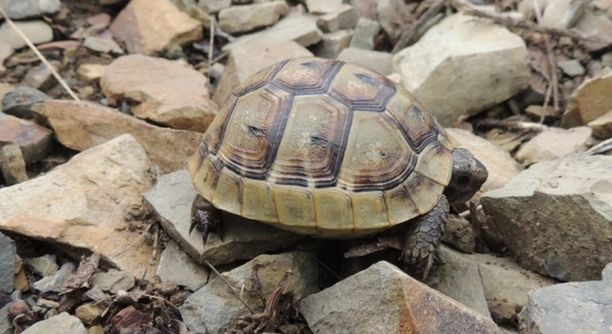
Creating a tortoise-friendly backyard is a great way to give your shelled friend the space it needs to thrive. Tortoises benefit from environments that mimic their natural habitats, providing both safety and enrichment.
To create a tortoise-friendly backyard, start by choosing a suitable space with plenty of sunlight, shelter, and access to plants for them to graze. Ensure there are safe barriers and avoid toxic plants to make their environment safe and enjoyable.
In the following steps, you will learn how to properly set up your backyard for your tortoise, making it a comfortable home for them.
1. Choose the Right Space for Your Tortoise
Tortoises need an outdoor space that provides both sunshine and shade. Select an area where they can roam freely, but ensure it is enclosed. A fence or wall can prevent them from wandering off. Make sure the space is secure, as tortoises are known to dig. A safe, dry spot is essential for them to bask and stay active. Look for a flat, well-drained area where you won’t have to worry about flooding after rainfall. Avoid places with excessive traffic or noise, as this could cause stress for your tortoise.
It’s important to give them room to move around and explore.
Consider adding some low plants and rocks for added variety. They enjoy climbing or resting on these items. A few plants can provide shelter and food. Choose non-toxic plants so that your tortoise can safely nibble on them.
2. Make Sure the Temperature Is Right
Tortoises need heat to stay healthy, but not too much. Make sure their outdoor area has plenty of sunlight during the day, and provide shade for when they need to cool down. A simple heat lamp in their shelter can help them regulate their temperature, especially during cooler nights or cloudy days. The right temperature helps their digestive system function and ensures they stay active. A thermometer can help you monitor the space, so you can adjust accordingly. Too much or too little heat can affect their health negatively.
Maintaining the right environment in their shelter is crucial for their well-being.
In addition to temperature, humidity is also an important factor. If you live in a humid area, make sure their shelter has good ventilation. Too much moisture can cause problems with their shells. On the other hand, tortoises that live in drier climates may need a bit of extra water to stay hydrated. Make sure there’s a shallow dish for them to drink from and soak in if they wish.
3. Set Up a Safe and Secure Enclosure
A secure enclosure is essential for protecting your tortoise from predators. Use a sturdy fence or wall to surround the area, ensuring it is tall enough to prevent escapes. Tortoises can dig, so bury the fence a few inches into the ground to avoid them tunneling under.
Ensure the gate or entrance is securely closed. You can add small locks or latches for extra security. The enclosure should be spacious enough to allow for movement but still safe enough to protect your tortoise from potential dangers. Check the structure regularly for any damage or weak spots.
The material of the fence should be weather-resistant, able to withstand rain, and strong enough to handle outdoor conditions. Wooden fences or strong plastic can be good options. Be mindful that sharp edges on the fence or any objects inside the enclosure can injure your tortoise, so avoid those.
4. Provide a Variety of Plants and Food
Tortoises love to graze on different types of plants. Offering a mix of grasses, weeds, and edible flowers helps ensure they get the right nutrients. However, make sure to avoid toxic plants like azaleas, lilies, or oleander.
In addition to plants, you can also give your tortoise vegetables like lettuce, dandelion greens, or clover. They love variety, but be careful not to overfeed any one type of food. Too much lettuce, for example, could upset their digestive system. Offering foods with a good balance of fiber is important for their health.
Incorporating some edible plants directly into the enclosure can create a natural, self-sustaining environment. It also provides an enriching experience for your tortoise. Not only can they feed on these plants, but they also enjoy exploring and foraging for their food. This helps to keep them active and stimulated.
5. Add a Water Source
A shallow water dish is essential for your tortoise. It helps them stay hydrated and provides a place to soak. Be sure the dish is easy for your tortoise to access, but not so deep that they might accidentally drown.
Change the water frequently to keep it clean. If you use a shallow dish, it’s easier to monitor and refill. Make sure the water source is not in direct sunlight, as it can get too warm and unpleasant. A cool, shaded spot works best.
6. Offer Shelters and Hiding Spots
Tortoises need shelter for protection against the weather and predators. A small, simple shelter made from wood or plastic can provide shade and a safe space to retreat when needed. You can also include rocks or logs for them to climb and hide under.
Hiding spots help reduce stress and make your tortoise feel more secure. Shelters should be dry, clean, and free of sharp objects. You can place them in areas that also have some grass or natural ground cover.
7. Monitor for Potential Hazards
While setting up your backyard, keep an eye out for potential hazards. Things like sharp rocks, broken glass, or toxic chemicals should never be within reach of your tortoise. Always inspect the area before letting them roam freely.
Other hazards include sharp plants, low-hanging branches, or pools of water that they can’t escape from. Regularly check your enclosure for any dangerous objects or changes in the environment. Keeping the space clean and free of potential risks will keep your tortoise happy and healthy.
FAQ
How much space does a tortoise need in a backyard?
Tortoises need ample space to move around and explore. A minimum of 10 square feet per tortoise is recommended for smaller species. Larger species may require more room, sometimes up to 100 square feet. This space allows them to forage, exercise, and explore naturally. Make sure the area is secure, with walls or fences high enough to prevent escapes. The more space you can provide, the better it is for their physical and mental well-being.
What should I avoid planting in a tortoise-friendly backyard?
Avoid planting toxic plants, which could harm your tortoise. Some of these include lilies, oleander, foxglove, and azaleas. It’s crucial to research plants before introducing them to your backyard. Stick to safe, edible options like dandelions, clover, and grass. Many tortoises will happily graze on safe plants, providing them with necessary nutrients. Remember, even plants that seem harmless to us can be harmful to your tortoise, so always double-check before planting them.
How do I ensure my tortoise gets the right amount of food?
Tortoises thrive on a variety of plants, with a focus on leafy greens, grasses, and flowers. You should offer them a balance of these foods, avoiding overfeeding any single type. Ensure they have access to fresh, clean water at all times. Too much fruit or vegetable matter can lead to digestive issues, so feed them in moderation. An appropriate diet for your tortoise is low in protein and high in fiber. Stick to natural foods they would find in the wild to keep them healthy and active.
Can tortoises live outside year-round?
Tortoises that are native to warmer climates can live outside year-round if the temperature stays mild and the enclosure is secure. However, if you live in an area with cold winters, it’s essential to bring your tortoise inside during the colder months. You can set up an indoor enclosure for them or, if possible, provide a heated outdoor space. Keep in mind that tortoises need exposure to sunlight, so if they stay indoors, provide them with UVB lighting to mimic natural sunlight.
How often should I clean the tortoise’s enclosure?
Cleaning the enclosure regularly is important for your tortoise’s health. Clean their water dish daily to prevent bacteria buildup. The entire enclosure should be cleaned once a week to remove waste, food remnants, and other debris. Spot clean the area every few days to ensure there’s no accumulation of waste. If you use sand or dirt, change it periodically to keep it fresh. Keeping the space clean helps prevent infections and keeps your tortoise comfortable. Always use non-toxic cleaning supplies and avoid harsh chemicals that could harm them.
Can I use a regular garden fence for the tortoise enclosure?
It’s possible to use a regular garden fence, but you should ensure it is tall and secure enough to keep your tortoise in. Tortoises are known to dig, so you need to bury the bottom of the fence several inches into the ground to prevent escapes. Additionally, the fence should be made from materials that are safe and durable enough to withstand weather conditions. If your tortoise is large or strong, consider using a heavier material to ensure they cannot break or push through the fence.
How do I create shelter for my tortoise?
Tortoises need shelter from the elements, especially extreme heat or rain. A simple wooden or plastic shelter can provide a dry place for them to hide during harsh weather. Make sure the shelter is well-ventilated and not too humid inside, as this can lead to health problems. You can place rocks or logs around the shelter to give your tortoise more areas to climb and explore. Position the shelter in a shaded area, away from direct sunlight, to prevent overheating. Regularly clean the shelter to keep it free from waste and bacteria.
What temperature should I keep the tortoise’s outdoor space?
Tortoises thrive in temperatures between 75°F and 85°F during the day. At night, they can tolerate temperatures dropping to around 65°F. If the temperature in your area fluctuates too much or drops below the recommended range, you should set up a heating source. Heat lamps, especially ones designed for reptiles, can be used in the shelter area to maintain a comfortable temperature. Avoid overheating your tortoise, as it can lead to dehydration or sunburn. Use a thermometer to monitor the space and adjust as needed.
How do I protect my tortoise from predators?
A well-built, secure enclosure is key to keeping your tortoise safe from predators like dogs, raccoons, or birds of prey. Use sturdy materials for the fence and ensure that it’s tall enough to prevent climbing or jumping over. Bury the fence a few inches into the ground to stop digging predators. If you live in an area with larger predators, consider installing a roof or mesh covering over the enclosure. Check the perimeter regularly for signs of any weak points where predators could gain access.
Can I house multiple tortoises together?
Housing multiple tortoises together can work, but it’s important to ensure there is enough space for each one. Tortoises are solitary animals and can sometimes display territorial behavior, especially if they feel crowded. Make sure your enclosure is large enough to give each tortoise plenty of room to roam. If you have different species, they may have different dietary or environmental needs, so research carefully before combining them. Monitor their behavior closely to ensure they’re getting along and not fighting over territory or food.
Final Thoughts
Creating a tortoise-friendly backyard is a rewarding experience, not just for your tortoise but for you as well. By focusing on providing them with the right environment, you’ll be helping them stay healthy and active. It’s important to consider their needs when designing the space, making sure it’s safe, secure, and comfortable. With the right balance of sunlight, shelter, and food, your tortoise will thrive in its outdoor home. While it takes some effort to create this environment, the benefits to your tortoise’s well-being are well worth it.
One key aspect is ensuring your backyard has proper boundaries to keep your tortoise safe. Whether it’s fencing or walls, a secure enclosure will prevent escapes and protect them from predators. It’s equally important to keep the environment clean and free of toxic plants or materials that can harm your tortoise. Regular monitoring of their habitat, like checking the temperature, water, and food supply, helps keep everything running smoothly. The more effort you put into the setup, the better your tortoise will thrive.
Finally, remember that tortoises are slow creatures that enjoy having space to explore and graze. They need a secure, varied environment that allows them to behave naturally. With some careful planning, your tortoise can live a long, happy life in a space designed just for them. Whether it’s adding a small water dish, choosing safe plants, or ensuring they have access to both sun and shade, every detail contributes to creating a comfortable, healthy habitat.

Hello,
If you enjoy the content that we create, please consider saying a "Thank You!" by leaving a tip.
Every little bit helps us continue crafting quality advice that supports the health, happiness, and well-being of pets around the world, for pets of all shapes, sizes, and species.
We really appreciate the kindness and support that you show us!