
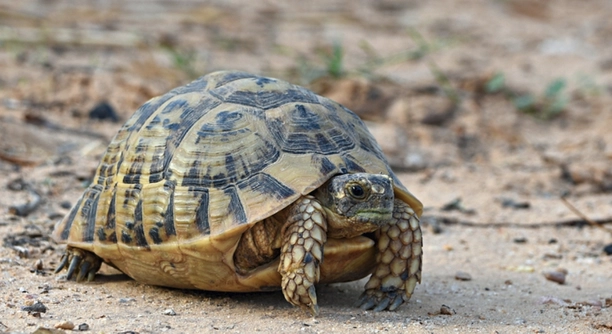
If you have a Greek tortoise and notice it scratching the walls, you might be wondering why it’s behaving this way. This behavior can be frustrating, especially when it seems excessive and out of character for your pet.
The scratching behavior in Greek tortoises is commonly caused by factors like stress, territorial instincts, or an unsuitable habitat. Tortoises are creatures of habit and may scratch to express discomfort or seek attention, especially when their needs are unmet.
Understanding these causes will help you address the issue effectively and ensure your tortoise’s well-being. Keep reading to learn more about how to create a healthier, happier environment for your pet.
Stress and Anxiety
Greek tortoises can easily become stressed, leading to scratching behavior. They are sensitive creatures, and factors such as loud noises, sudden changes, or feeling confined can trigger anxiety. A stressed tortoise might scratch walls to express discomfort or try to escape. This is especially true if their habitat doesn’t offer enough space to roam.
Providing a quiet, secure environment can help reduce stress. Make sure their enclosure is placed in a calm area, away from direct sunlight or high-traffic zones. Reducing noise and disturbances can significantly improve their overall well-being.
It’s essential to understand that tortoises thrive in stable surroundings. A sudden shift in routine or changes in their environment can lead to confusion and stress. Additionally, overcrowding in their enclosure can create competition for space, triggering defensive behaviors like scratching. By giving your tortoise a peaceful, well-organized habitat, you can alleviate these stress triggers. Keeping a consistent routine also helps your tortoise feel more comfortable and secure in their space.
Habitat Inadequacies
The design and setup of your tortoise’s habitat play a key role in their behavior. If their enclosure lacks proper hiding spots or doesn’t meet their needs, they may scratch as a way of seeking a more comfortable area. Tortoises need space to explore and hide when they feel vulnerable.
Consider expanding the size of their enclosure, adding more hiding areas, and offering a variety of surfaces for climbing. By providing a habitat that mimics their natural environment, you can give your tortoise the space they need to feel safe and secure.
Improper Temperature and Lighting
If your tortoise’s environment is too hot or too cold, it can lead to unwanted behaviors like scratching. Tortoises rely on specific temperature ranges to maintain their health. If the temperature is too extreme, they may scratch the walls in an attempt to escape or find a more suitable spot.
A basking area should be provided with temperatures between 85°F and 95°F. The cooler side of the enclosure should be around 70°F to 75°F. Additionally, having proper UVB lighting is crucial to their well-being. Without it, your tortoise may feel stressed and act out by scratching. Make sure to check the temperature regularly and adjust accordingly.
The right lighting is just as essential as the correct temperature. UVB lights help your tortoise synthesize vitamin D3, which is important for calcium absorption and overall health. Without proper lighting, your tortoise could become lethargic, leading to behaviors like scratching the walls. Keep your lighting on a timer to ensure consistency, and replace the bulbs regularly for optimal performance.
Unmet Social Needs
Greek tortoises are solitary creatures, but they can still experience loneliness. If they are kept alone without enough interaction or stimulation, they may scratch as a way to express frustration. Tortoises are naturally curious and need mental stimulation, so if their environment is too boring, they might resort to this repetitive behavior.
To help prevent this, ensure your tortoise’s enclosure has enough to keep them mentally and physically active. Offer different textures, rocks, and items to explore, or hide food around the enclosure to encourage foraging. Regular interaction is also beneficial, as spending time observing or gently handling your tortoise can help keep them engaged.
Boredom
A lack of mental stimulation often leads to behaviors like scratching. If your tortoise doesn’t have enough things to do, they might scratch the walls in search of something interesting. Tortoises enjoy exploring their environment, so without opportunities to move around and interact with their habitat, they can become restless.
Providing new objects, such as rocks or logs, can help your tortoise feel engaged. Hiding food in different spots also promotes foraging, which keeps them active and curious. These small changes in their routine can significantly reduce boredom and scratching behavior.
Improper Substrate
The type of substrate you use in your tortoise’s enclosure can have a major impact on their behavior. If the substrate is too rough or too slippery, it can cause discomfort, leading to scratching. Some tortoises might scratch at the walls to try to find a more comfortable surface to move on.
Choosing a softer, natural substrate like coconut coir or organic soil can create a more comfortable environment. Make sure the substrate is deep enough to allow burrowing and provide opportunities for natural behavior. It’s important to avoid using sand or gravel that can irritate their skin.
Health Issues
Health problems can also cause a tortoise to scratch. If a tortoise is feeling unwell or is in pain, they may display unusual behaviors like scratching as a way of trying to alleviate discomfort. This is especially true if they are suffering from parasites or an infection.
It’s crucial to monitor your tortoise’s health regularly. If they show signs of illness such as a lack of appetite or abnormal behavior, it’s important to take them to a vet experienced with reptiles. Early detection of health issues can prevent further complications and improve your tortoise’s quality of life.
FAQ
Why is my Greek tortoise scratching the walls?
Scratching behavior in Greek tortoises is often a sign of discomfort. It can be caused by stress, improper habitat conditions, or even boredom. If your tortoise feels confined, stressed, or lacks mental stimulation, they may scratch to express frustration or try to find a better spot. Adjusting their environment, increasing interaction, or improving their enclosure setup can help alleviate this behavior.
How can I reduce my tortoise’s scratching behavior?
To reduce scratching, first ensure that your tortoise’s habitat meets their basic needs. Check the temperature and humidity levels, and make sure they have enough space to move around. Adding hiding spots, enrichment, and new textures can help keep them mentally stimulated. Lastly, consider spending more time interacting with your tortoise to help reduce stress and boredom.
Is scratching a sign of a health problem?
Scratching can sometimes indicate discomfort or an underlying health issue. If your tortoise seems lethargic, has changes in appetite, or displays other unusual behaviors, it might be a sign of illness. Common health problems such as parasites, infections, or shell issues can cause your tortoise to scratch. A visit to a reptile vet is recommended for a thorough checkup if you suspect a health issue.
Should I change the substrate in my tortoise’s enclosure?
Yes, substrate plays a key role in your tortoise’s comfort and behavior. If the current substrate is too rough, slippery, or irritating, it can lead to scratching. Choose natural materials like coconut coir or organic soil that provide comfort and allow for burrowing. Avoid using sand or gravel that could harm your tortoise’s skin.
How often should I clean my tortoise’s enclosure?
Cleaning your tortoise’s enclosure regularly is essential for their health and well-being. It’s recommended to spot clean daily, removing any waste or uneaten food. The entire enclosure should be cleaned and disinfected once every 2 to 3 weeks, depending on the size of the enclosure and the number of tortoises.
Can too much handling cause scratching?
Excessive handling can cause stress in some tortoises, particularly if they’re not used to human interaction. While occasional handling is fine, it’s important to let your tortoise feel secure in their environment. If handling is causing stress, they may exhibit scratching or other signs of discomfort. Allow your tortoise to get used to you slowly and avoid excessive handling.
What should I do if my tortoise is scratching due to stress?
If stress is the cause of scratching, it’s important to address the root causes. Start by ensuring their enclosure is in a quiet, low-traffic area, free from loud noises or sudden changes. Provide plenty of hiding spots and enrich their environment with objects to climb or explore. Reduce handling and give them time to feel safe and secure.
How much space does my tortoise need to stop scratching?
A tortoise needs enough space to roam and feel comfortable in its environment. Ideally, their enclosure should be large enough for them to move freely, with enough room to explore. A small, cramped enclosure can lead to stress and excessive scratching. The general recommendation is 4 square feet of space per adult tortoise, with larger enclosures being better.
Do Greek tortoises need a companion to stop scratching?
Greek tortoises are solitary animals, so they do not require companionship. However, providing a stimulating environment is key. If a tortoise is left in an empty enclosure without much to do, they may become bored and resort to scratching. Offering objects to climb on, hide under, and food to forage for can help keep them mentally engaged without the need for a companion.
What can I do if my tortoise scratches at the walls at night?
Scratching at night is often a sign of stress or a reaction to environmental conditions. Check if the temperature or lighting is correct, as improper conditions can lead to restlessness. Consider adding more hiding spots or objects to make the enclosure feel more secure. If your tortoise is scratching due to light disturbance, you may want to use a low-intensity nightlight.
Can I fix scratching behavior with more interaction?
More interaction can help, but it depends on the tortoise’s personality. Some tortoises enjoy interaction and will benefit from regular handling, while others prefer solitude. Observing your tortoise’s reactions will guide you in determining the right amount of interaction. However, consistent care, a proper habitat, and reducing stress factors are the most important steps in addressing scratching behavior.
Is scratching a sign of boredom in tortoises?
Yes, boredom is a common cause of scratching in tortoises. When they don’t have enough to do, they may resort to scratching as a way to pass the time or seek something interesting. Adding new items to their enclosure, such as rocks, plants, or logs, and hiding food to encourage foraging can reduce boredom and scratching.
How do I create a better environment for my tortoise?
A better environment for your tortoise means providing appropriate temperature, humidity, and space. Ensure that the basking area is between 85°F and 95°F, with a cooler area of 70°F to 75°F. Provide UVB lighting, a variety of textures, and objects to explore. Enrich their habitat with plants, rocks, and a suitable substrate that allows for burrowing.
How long does it take to stop scratching behavior?
The time it takes to stop scratching behavior depends on the cause and how quickly the environment is adjusted. If the issue is stress, boredom, or improper habitat conditions, changes should lead to improvement within a few days to a week. However, if health issues are involved, it may take longer, and a vet visit is advised.
Can a change in diet help with scratching?
A balanced diet can contribute to your tortoise’s overall health and reduce stress, which in turn may help reduce scratching. Ensure that your tortoise is receiving the proper nutrients, such as calcium, fiber, and vitamins, through a variety of leafy greens, vegetables, and occasional fruit. A healthy diet supports their immune system and well-being.
Final Thoughts
In summary, scratching in Greek tortoises is often linked to stress, discomfort, or a lack of stimulation. When a tortoise scratches the walls of its enclosure, it’s usually trying to express frustration or find a more comfortable spot. Understanding the cause of this behavior is crucial to resolving the issue. Whether it’s related to environmental conditions, boredom, or even health problems, identifying the right solution can lead to a happier, healthier tortoise. Paying attention to the small details in their care, like temperature, humidity, and space, can help prevent these issues from becoming persistent.
Creating a suitable habitat is essential for reducing scratching behavior. A proper enclosure with the right temperature gradients, hiding spots, and objects to explore can help alleviate stress. Tortoises are naturally curious creatures, and providing them with a variety of textures, plants, and places to burrow or climb keeps their minds engaged. A well-balanced diet and plenty of time for outdoor activities, when safe, can also contribute to their well-being. Taking these steps can reduce scratching and improve your tortoise’s overall quality of life.
If the behavior persists, it’s important to monitor your tortoise for any signs of illness or discomfort. If there are any changes in eating habits, energy levels, or overall behavior, consulting with a vet is always a good idea. A health issue could be the root cause of the scratching, and professional guidance will ensure that your tortoise receives the proper treatment. By addressing both the environmental and health aspects of your tortoise’s life, you can help them live a more relaxed and content life.

Hello,
If you enjoy the content that we create, please consider saying a "Thank You!" by leaving a tip.
Every little bit helps us continue crafting quality advice that supports the health, happiness, and well-being of pets around the world, for pets of all shapes, sizes, and species.
We really appreciate the kindness and support that you show us!