
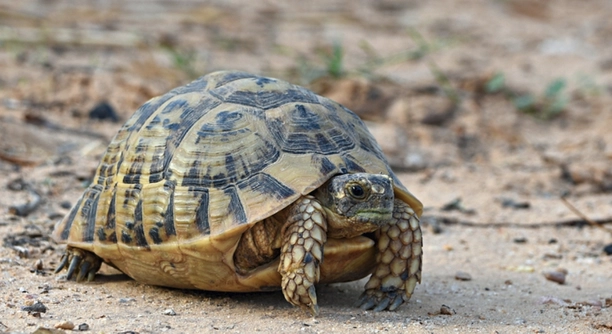
Greek tortoises are known for being herbivores, but when your tortoise suddenly starts eating only cucumber, it might leave you wondering why. This behavior can indicate various underlying causes related to their diet and environment.
The primary reason your Greek tortoise may be eating only cucumber is its high water content. Cucumber is hydrating and may attract your tortoise if it’s not receiving adequate moisture. Other potential causes include dietary imbalances, stress, or preference for softer foods.
Understanding these factors will help you address the issue and ensure your tortoise’s diet is balanced and healthy.
Inadequate Hydration
If your tortoise isn’t getting enough water, it may turn to cucumber, which is mostly water. Greek tortoises need a consistent water source to stay healthy, especially if they live in drier environments. If their habitat is too dry or their water bowl isn’t regularly replenished, they might instinctively eat more cucumber to compensate for dehydration. While cucumber can help hydrate them temporarily, it doesn’t replace the need for proper water access. Over time, insufficient water can lead to more serious health issues, so it’s important to make sure your tortoise has access to fresh water every day.
A water-rich food like cucumber is a quick fix, but it shouldn’t be the only option.
Ensure your tortoise’s living area is humid enough for their needs, with a clean water bowl available. The more consistent you are with hydration, the less likely your tortoise will rely on cucumbers for moisture.
Stress or Environmental Changes
Stress is another factor that might make your tortoise focus on cucumber. Any sudden changes in the environment, such as a new enclosure, temperature fluctuations, or even the introduction of other animals, can trigger this behavior. Tortoises are sensitive to their surroundings, and disruptions can cause them to seek comfort in familiar food items like cucumber. Additionally, stress can affect their appetite, causing them to eat less of other food or only seek out foods that are easier to consume.
When tortoises are stressed, they might also act more lethargic, and their eating habits may shift. Keeping their habitat calm and stable can help reduce stress and prevent unusual eating habits. Ensuring they have a consistent, peaceful environment will encourage them to eat a balanced diet.
It’s important to monitor how your tortoise behaves after any changes and keep their space quiet. A calm environment helps reduce stress and allows them to return to their normal eating habits.
Lack of Variety in Diet
A lack of food variety can lead your Greek tortoise to develop a preference for cucumber. If they’re offered the same types of food repeatedly, they may start seeking out cucumber because it’s an easy, refreshing option. This can result in them ignoring other vegetables.
Tortoises, like most animals, need a balanced diet that includes a range of vegetables, leafy greens, and sometimes flowers. If you’re consistently feeding cucumber, they may become fixated on it because it’s easy for them to consume. To correct this, you should rotate their diet, offering a variety of foods to maintain interest.
Introducing a wider range of fresh greens, such as dandelion greens, collard greens, and turnip greens, can help balance their diet. Offering different vegetables will ensure they get all the essential nutrients and prevent them from getting too attached to one food item like cucumber.
Overfeeding Cucumber
Cucumbers are low in calories and nutrients, making them less filling compared to other foods. Overfeeding cucumber can result in your tortoise turning to it out of habit, especially if they feel less satisfied from other foods.
When a tortoise is overfed cucumber, they may not feel motivated to eat other, more nutritious options. This behavior can eventually become a cycle. By cutting back on cucumber and offering foods with higher nutritional value, such as leafy greens and vegetables high in calcium, you’ll encourage your tortoise to eat more balanced meals. Ensure you’re giving them a proper portion size of cucumber, mixing in other vegetables so they don’t develop a preference for only one food.
Adjusting portion sizes will help your tortoise regain interest in other food items, and it’ll contribute to their overall well-being.
Temperature Issues
Temperature can play a role in your tortoise’s eating habits. If their environment is too hot or too cold, it can affect their appetite and cause them to seek out specific foods like cucumber, which is cooling.
If their habitat isn’t at the correct temperature, it can lead to reduced energy and appetite, making them less interested in their usual meals. Adjusting the temperature to a more comfortable range will encourage your tortoise to eat a broader variety of foods.
Ensuring that their enclosure stays between 75-85°F (24-29°C) during the day is important for proper digestion and overall health.
Impaction or Digestive Issues
If your tortoise is experiencing digestive problems or impaction, they might eat cucumber to soothe their system. Cucumber’s high water content can help soften stool and hydrate the tortoise, temporarily easing digestive discomfort. If this is the case, you may notice a decrease in their usual appetite for other foods.
A more serious digestive issue, such as impaction, can cause changes in eating behavior. If you suspect this, it’s important to consult with a vet. They may recommend a special diet or treatment to relieve the impaction. Regular monitoring of your tortoise’s habits will help prevent more serious issues from developing.
Nutrient Deficiency
A nutrient deficiency, especially in calcium or fiber, may cause your tortoise to look for foods that provide relief, such as cucumber. If they aren’t getting the necessary nutrients from their usual diet, they might turn to cucumber as a source of hydration or texture.
If your tortoise is deficient in vital nutrients, it could affect their overall health and eating habits. Offering foods rich in calcium, like kale or collard greens, and fiber, like hay, can help prevent deficiencies. It’s important to create a balanced diet plan that supports their nutritional needs.
FAQ
Why does my Greek tortoise only eat cucumber and nothing else?
If your Greek tortoise is only eating cucumber, it could be due to a variety of factors. It’s likely seeking hydration, especially if it’s not getting enough water. Cucumber is hydrating, and when a tortoise is dehydrated, it may opt for foods like cucumber to replenish lost moisture. However, relying too heavily on cucumber is not ideal, as it’s low in essential nutrients. Offering a variety of leafy greens and other vegetables will encourage them to eat more balanced meals.
Can cucumber be harmful to my Greek tortoise?
Cucumber in moderation is not harmful to your tortoise, but it shouldn’t be the primary food item. It’s low in nutrients and high in water content, which could lead to imbalances in their diet. If fed too often, cucumber can reduce your tortoise’s interest in more nutritious foods, resulting in deficiencies. Make sure to offer a balanced diet that includes other vegetables, grasses, and leafy greens.
How can I get my Greek tortoise to eat more vegetables besides cucumber?
To get your tortoise to eat more variety, start by offering different types of vegetables regularly. You can try dark leafy greens like kale, dandelion greens, and collard greens. You can also mix in other vegetables such as bell peppers, zucchini, or squash. Avoid offering cucumber as the only option and instead make sure it’s just a small part of their overall diet.
How often should I feed my Greek tortoise cucumber?
Cucumber should be given to your Greek tortoise occasionally, not as a daily food. It can be offered once or twice a week, but it shouldn’t make up a large part of their diet. Providing cucumber too often can lead to a lack of interest in other, more nutritious food.
What should I do if my tortoise isn’t eating anything besides cucumber?
If your tortoise is only eating cucumber and ignoring other food, try mixing the cucumber with other veggies they may enjoy. Gradually reduce the amount of cucumber and offer a range of fresh greens. Monitor their behavior to see if they are adjusting, and if they continue to refuse food, consult a vet to rule out health problems.
Can stress cause my Greek tortoise to eat only cucumber?
Yes, stress can cause changes in eating habits. If your tortoise is stressed due to environmental changes, new pets, or disruptions in its habitat, it might gravitate toward foods like cucumber. Stress can also decrease appetite, so make sure to keep the environment calm and stable to help your tortoise return to normal eating patterns.
How do I know if my Greek tortoise has a nutrient deficiency?
Signs of nutrient deficiency in a tortoise include changes in behavior, such as lethargy, decreased appetite, or abnormal growth. You might also notice problems with their shell, such as softness or deformities. Calcium or vitamin deficiencies are common in tortoises. To prevent deficiencies, provide a balanced diet rich in leafy greens, fiber, and calcium. If you suspect a deficiency, it’s important to visit a vet for proper diagnosis and advice on supplementation.
Is cucumber a good source of hydration for my tortoise?
Cucumber is a good source of hydration due to its high water content, which can help if your tortoise is dehydrated. However, it should not be relied on as the main source of water. Your tortoise should always have access to fresh water, and the humidity in its enclosure should be maintained to help prevent dehydration. Cucumber can complement their hydration, but it should not replace the need for water.
How much should I feed my Greek tortoise each day?
The amount of food you feed your tortoise depends on its size, age, and activity level. Generally, adult Greek tortoises should be fed a diet that makes up about 5-10% of their body weight daily. Offer a mix of leafy greens, grasses, and occasional fruits or vegetables. Avoid overfeeding high-water foods like cucumber, as this can lead to a lack of essential nutrients.
Can my Greek tortoise eat cucumber with skin on?
Yes, your tortoise can eat cucumber with the skin on. The skin is nutritious and provides extra fiber, which is beneficial for your tortoise’s digestion. However, make sure to wash the cucumber thoroughly to remove any pesticides or chemicals before offering it. Organic cucumbers are a better option if available.
Why does my Greek tortoise prefer softer foods like cucumber?
Greek tortoises may prefer softer foods like cucumber because they are easier to chew and digest. If they are experiencing any mouth or digestive issues, they may seek out foods that require less effort to eat. If you notice a decrease in their appetite for tougher foods or signs of discomfort, consult a vet to ensure there are no underlying health issues.
Should I worry if my tortoise only eats cucumber sometimes?
It’s normal for your tortoise to show a preference for certain foods, including cucumber, from time to time. However, if cucumber becomes their main food source, it could indicate an imbalance in their diet or hydration. To avoid this, ensure your tortoise has a variety of foods and adequate water. As long as they are eating a range of foods overall, occasional cucumber consumption is fine.
Can cucumber be used to help with constipation in tortoises?
Yes, cucumber’s high water content can sometimes help relieve constipation by adding hydration and aiding digestion. If your tortoise is experiencing constipation, offering cucumber may assist with softening the stool. However, if the issue persists, it’s important to address it with a vet, as constipation can be a symptom of other health concerns.
How do I know if my Greek tortoise is getting enough calcium?
Calcium is crucial for your tortoise’s bone health and shell development. Signs of calcium deficiency include soft or deformed shells, weakness, or lack of growth. To ensure adequate calcium intake, offer foods like collard greens, dandelion greens, and occasionally calcium supplements as recommended by a vet. Regular access to UVB lighting is also necessary to help them metabolize calcium.
Final Thoughts
When it comes to feeding your Greek tortoise, variety is key to maintaining its health. While cucumber can be a refreshing and hydrating food option, it should not be the sole focus of their diet. Greek tortoises thrive on a range of leafy greens, grasses, and other vegetables that provide the necessary nutrients for their overall well-being. Offering a well-rounded diet ensures that your tortoise gets all the vitamins and minerals it needs to stay healthy and active.
If your tortoise is only eating cucumber, it’s important to address the issue as soon as possible. A lack of interest in other foods can be a sign of dehydration, stress, or a potential health concern. Gradually introducing new foods alongside cucumber can help break the pattern and encourage your tortoise to explore different tastes and textures. Be patient, as it may take time for your tortoise to adjust to a varied diet. A little persistence can go a long way in improving its eating habits.
In conclusion, maintaining a balanced diet for your Greek tortoise is essential for its long-term health. Cucumber can be part of their diet, but it should always be accompanied by other nutritious foods to avoid nutritional deficiencies. Always pay attention to their behavior and eating patterns, as changes in appetite can sometimes indicate underlying issues. With proper care, attention to their diet, and regular monitoring, your Greek tortoise will remain a happy and healthy companion for years to come.

Hello,
If you enjoy the content that we create, please consider saying a "Thank You!" by leaving a tip.
Every little bit helps us continue crafting quality advice that supports the health, happiness, and well-being of pets around the world, for pets of all shapes, sizes, and species.
We really appreciate the kindness and support that you show us!