
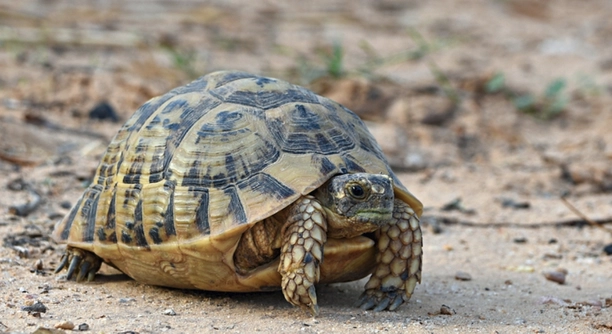
Greek tortoises are known for their curious nature and unique behaviors, but sometimes they may refuse to use their hide. Understanding why this happens is key to ensuring your tortoise’s well-being.
A variety of factors can influence why your Greek tortoise avoids its hide, such as environmental conditions, stress, or health issues. Addressing these causes can help restore your tortoise’s natural habits and comfort in its enclosure.
Several factors could be at play, and exploring them will guide you in resolving the situation. By learning more, you can help your tortoise thrive and regain its comfort.
1. Temperature and Humidity Issues
One of the main reasons your Greek tortoise might refuse to use its hide is due to improper temperature or humidity in its habitat. Tortoises rely on their environment to regulate their body temperature. If it’s too hot or cold in the area where the hide is placed, your tortoise may feel uncomfortable and avoid going inside. For instance, if the hide is too warm compared to other spots in the enclosure, your tortoise may prefer cooler areas. Similarly, humidity levels that are too high or low can cause stress, making your tortoise avoid its hide. A proper balance of warmth and humidity is essential for your tortoise to feel secure and comfortable.
Check that the temperature gradient in the tank is suitable, with a warm basking area and a cooler side for your tortoise to move between. Humidity should be kept within the recommended range, as moisture levels that are too high or low may deter your tortoise from using its hide.
Maintaining a consistent and balanced environment ensures your tortoise feels secure and can rest comfortably in its hide. Regularly check the temperature and humidity to ensure they stay within the right range for your tortoise’s health.
2. Stress from Changes
Stress can also contribute to your Greek tortoise avoiding its hide. It’s common for tortoises to feel stressed if there are sudden changes in their environment. Whether it’s moving to a new tank, rearranging their space, or introducing new pets or people, stress can cause your tortoise to retreat into a shell of avoidance, and that may include not using its hide.
Tortoises need time to adjust to changes in their habitat. If you’ve recently made changes, give your tortoise some time to acclimate. During this adjustment period, avoid handling it too much or making additional changes to the setup. Ensuring a stable, calm environment is key for reducing stress and helping your tortoise feel secure.
Avoiding unnecessary disruptions in your tortoise’s life will encourage it to seek out its hide again. Stability and consistency are crucial to creating a low-stress environment that promotes natural behaviors.
3. Health Problems
Health issues can lead to your Greek tortoise avoiding its hide. If it’s feeling unwell, it might prefer staying out in the open instead of retreating into its hide. Problems like respiratory infections or shell injuries can make it uncomfortable to seek refuge in a confined space. A sick tortoise will often display signs like reduced activity, lack of appetite, or unusual behavior.
If you notice any of these signs, it’s important to check with a vet to rule out any health concerns. A prompt diagnosis can help address the issue and restore your tortoise’s natural behaviors. Regular health check-ups are essential for early detection.
Ensure that your tortoise’s enclosure remains clean and safe to prevent health issues. A clean environment reduces the risk of infections and allows your tortoise to feel secure. If health problems persist, don’t hesitate to contact a veterinarian for proper treatment and advice.
4. Uncomfortable Hide
An uncomfortable hide is another reason why your Greek tortoise might refuse to use it. If the hide isn’t the right size or shape, it can make your tortoise feel cramped or exposed, which could cause it to avoid using it. The hide should offer a snug but comfortable space, where your tortoise can feel safe and secure.
Check the dimensions of the hide to ensure it’s large enough for your tortoise to move around inside but not so large that it feels exposed. The material of the hide also matters – it should provide insulation and offer a sense of privacy, simulating a natural environment.
If the hide feels too hot, too cold, or simply unwelcoming, your tortoise may choose to stay in other areas of the enclosure. Adjusting the size, material, or placement of the hide can encourage your tortoise to seek shelter there again.
5. Excessive Handling
Excessive handling can make your Greek tortoise feel overwhelmed and stressed. Constant handling or interaction may make it feel unsafe, leading it to avoid its hide. Tortoises need quiet time to relax, and too much attention can disrupt their need for privacy.
To avoid this, try to minimize handling, especially if your tortoise seems to be showing signs of stress, such as withdrawal or hiding in other parts of the enclosure. Giving your tortoise space will help it feel more secure and may encourage it to use its hide again.
Let your tortoise adjust at its own pace and spend more time observing its behavior rather than handling it constantly.
6. Unnatural Lighting
Lighting plays a key role in your Greek tortoise’s comfort. If the lighting in the enclosure is too bright or not correctly positioned, it may deter your tortoise from using its hide. Tortoises need a cycle of day and night with natural or UV lighting to feel secure.
Proper lighting helps maintain a healthy day/night rhythm and encourages natural behaviors. Ensure there is a light source that provides warmth and light during the day, followed by a dark, cooler period for nighttime. If the light is harsh or constantly on, your tortoise may avoid its hide to escape the discomfort.
Consider adding natural elements to the enclosure to simulate a more natural environment.
FAQ
Why is my Greek tortoise not hiding during the day?
There are several reasons why your Greek tortoise may not be hiding during the day. One possibility is that the temperature or humidity in its enclosure is not optimal. If it’s too hot or too cold, your tortoise may avoid its hide to find a more comfortable spot. It could also be that your tortoise feels stressed due to changes in its environment, like moving to a new tank or being around new pets or people. Sometimes, your tortoise may just not feel like hiding if it feels secure and content in its current space.
Should I be worried if my Greek tortoise refuses to use its hide?
It’s understandable to be concerned, but it’s not always an immediate cause for worry. However, if your tortoise is refusing to use its hide consistently and seems stressed, it may be a sign of discomfort or health issues. Monitor for other signs like reduced eating, lethargy, or respiratory problems, which may indicate a health problem. In such cases, it’s best to consult with a vet. Keeping its environment stable and ensuring proper temperature, humidity, and cleanliness can help encourage the tortoise to seek shelter in its hide again.
Can I force my tortoise to use its hide?
Forcing your Greek tortoise to use its hide isn’t advisable. Tortoises, like many reptiles, tend to avoid areas where they feel pressured or uncomfortable. Instead, ensure the hide is placed in an ideal location with the right temperature and humidity. You can try placing food or water near the hide to encourage your tortoise to explore it naturally. The key is creating a comfortable, stress-free environment that encourages the tortoise to use the hide on its own terms.
How do I know if my Greek tortoise is stressed?
Signs of stress in a Greek tortoise can include pacing, excessive hiding, loss of appetite, or aggressive behavior. You might also notice that your tortoise isn’t moving around much or is withdrawn. These signs can also be indicators of poor environmental conditions or health problems. If stress persists, consider reviewing the enclosure setup, temperature, humidity, and light conditions. If the stress continues, it may be helpful to consult with a veterinarian.
What should the temperature be for my tortoise to use its hide?
Greek tortoises thrive in a temperature gradient that allows them to regulate their body heat. The basking area should be around 90-95°F (32-35°C), while the cooler side of the enclosure should be between 75-85°F (24-29°C). If the hide is in an area where the temperature is too high or too low, your tortoise may avoid it. It’s also important to provide a cooler, darker area for nighttime, where the temperature should drop to around 70°F (21°C) to help your tortoise rest comfortably.
Can I change my tortoise’s hide if it’s not using it?
Yes, you can change the hide if it doesn’t seem to be working for your Greek tortoise. A hide that’s too small, uncomfortable, or poorly placed can cause your tortoise to avoid it. Consider trying a different shape, size, or material for the hide. Ensure that the new hide offers enough space for your tortoise to move around comfortably, and make sure it mimics a natural, dark, and safe space. You can also try moving the hide to a different location in the enclosure.
Is it okay if my tortoise doesn’t use its hide every day?
While it’s ideal for your tortoise to have access to its hide for comfort and security, it’s not uncommon for them to use it intermittently. Some tortoises prefer to bask in open areas during the day and only retreat to their hide at night or when they need rest. As long as the hide is available and the tortoise is eating, drinking, and behaving normally, there’s no need to worry if it doesn’t use the hide every day.
Could my tortoise be avoiding the hide because of other pets?
Yes, other pets in the household could be contributing to your tortoise’s avoidance of its hide. If there are other animals that are stressful or threatening to your tortoise, it may avoid hiding or feel less secure. Ensure that your tortoise’s enclosure is in a quiet, calm area away from other pets. Keeping other animals out of the enclosure can help your tortoise feel more relaxed and encourage it to use its hide more regularly.
Can I use a different material for the hide?
You can definitely experiment with different materials for your tortoise’s hide. Natural materials like wood or clay can be more appealing to your Greek tortoise compared to plastic. However, make sure the material is safe and non-toxic. The hide should also offer proper insulation, so your tortoise can stay cool or warm depending on its needs. Ensure that it’s easy to clean and that it fits your tortoise comfortably.
How do I prevent my tortoise from feeling stressed in its enclosure?
To reduce stress, make sure your tortoise has enough space to roam and explore. Provide both warm and cool areas to help it regulate its body temperature. Keep the enclosure clean and safe, and avoid frequent changes or disruptions. Ensure proper lighting and humidity, and avoid overcrowding with other pets. Consistent care and a calm environment are essential for your tortoise’s well-being. If stress is persistent, it’s always a good idea to have a veterinarian check your tortoise to rule out any medical issues.
Final Thoughts
Understanding why your Greek tortoise refuses to use its hide is crucial to creating a comfortable environment for it. There are many factors that could be at play, such as improper temperature or humidity levels, stress, or an uncomfortable hide. Greek tortoises are sensitive creatures, and their behavior can be influenced by small changes in their surroundings. It’s essential to observe your tortoise closely and consider all aspects of its environment to determine what might be causing the issue.
If your tortoise is refusing to use its hide, don’t be quick to assume something is wrong. Sometimes, tortoises simply prefer open spaces or may only use their hide during certain parts of the day, such as at night. However, if you notice that your tortoise is acting unusually, not eating, or showing other signs of distress, it could be a sign that something needs to be adjusted. Always check the temperature, humidity, and overall comfort of the hide to make sure they’re within the proper range. A clean and well-maintained environment is key to your tortoise’s health and happiness.
Finally, be patient with your tortoise. Like many animals, it may take some time for your tortoise to get used to changes in its environment. Keep its hide clean and in a comfortable location, and try not to stress your tortoise with too much handling. With the right adjustments, your tortoise should feel secure enough to return to its hide when it’s ready. If issues persist, it may be helpful to consult with a veterinarian to rule out any underlying health concerns. Ultimately, by maintaining a peaceful, stable environment, you can encourage your Greek tortoise to feel safe and comfortable in its home.

Hello,
If you enjoy the content that we create, please consider saying a "Thank You!" by leaving a tip.
Every little bit helps us continue crafting quality advice that supports the health, happiness, and well-being of pets around the world, for pets of all shapes, sizes, and species.
We really appreciate the kindness and support that you show us!