
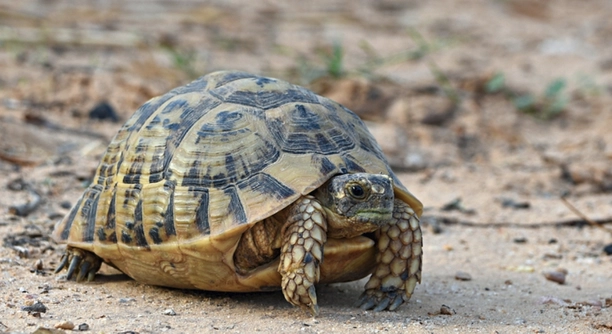
Greek tortoises may rub their necks on rocks for various reasons, from natural behaviors to health-related concerns. Understanding these actions is crucial to ensuring the well-being of your pet. This article explores common causes for this behavior.
The primary reason your Greek tortoise rubs its neck on rocks may be due to natural grooming habits or the need to shed old skin. However, it could also indicate a medical issue, such as respiratory problems or irritation from external factors.
Identifying the cause of your tortoise’s behavior will help you make informed decisions regarding its care.
Natural Grooming Behavior
Greek tortoises are naturally inclined to rub their necks against surfaces, such as rocks, to help with grooming. This behavior can be observed in the wild, where they often use rough surfaces to clean themselves. It’s a typical way for them to shed old skin or remove dirt from their bodies. Rubbing also helps them maintain their physical health by stretching their necks and relieving tension in the muscles. If your tortoise is rubbing its neck on rocks, it could simply be engaging in this self-care behavior.
This behavior is normal as long as there is no visible distress or injury. It’s also common in older tortoises, who may need more time to shed their skin.
However, excessive rubbing or signs of irritation could indicate other underlying issues. If your tortoise seems uncomfortable or is rubbing its neck continuously, it’s important to check for other health concerns that might be causing this behavior.
Shedding and Skin Issues
Tortoises, especially Greek tortoises, shed their skin periodically. When they do, they may rub their necks and other parts of their bodies on rough surfaces. This helps remove old skin, making way for fresh growth. The process is natural and typically happens without much intervention needed.
Skin problems may arise if shedding becomes irregular. In some cases, humidity levels in the enclosure or improper lighting could slow down the shedding process, making the tortoise more likely to rub its neck against rocks. In such cases, ensuring the correct environment is crucial for their health.
If the shedding process appears to be uneven or is causing your tortoise discomfort, a vet visit is necessary. The vet may recommend specific treatments to aid in proper skin shedding and prevent further irritation.
Respiratory Issues
Rubbing the neck against rocks could sometimes point to respiratory problems. Tortoises with respiratory infections may experience discomfort in their throat or lungs, which could cause them to rub their necks. This behavior could also be a sign of an effort to clear mucus or alleviate congestion. If you notice your tortoise showing signs of a runny nose or labored breathing, it’s important to act quickly.
Respiratory issues can be serious if not addressed in a timely manner. Tortoises exposed to drafts, improper humidity levels, or unsanitary environments are more susceptible to these conditions. In some cases, the infection can lead to further complications if left untreated.
Taking immediate action to adjust the enclosure’s temperature and humidity levels can help. A visit to the vet is recommended if you suspect a respiratory issue. Your vet can prescribe medications to treat the infection and recommend proper care to prevent further health risks.
Irritation or Injury
Your Greek tortoise may rub its neck on rocks to alleviate irritation caused by external factors. This could be something as simple as an insect bite or a minor scratch. If your tortoise seems to be rubbing more often than usual or appears to be in discomfort, inspecting its neck and surrounding areas for any visible signs of injury is essential.
In some cases, the rubbing could be the result of environmental factors, such as rough surfaces in the enclosure or even materials in the bedding. These could irritate the tortoise’s skin, causing it to seek relief by rubbing its neck on rocks or other objects.
Ensuring that the habitat is safe and comfortable is key to minimizing irritation. Regularly cleaning the enclosure and avoiding sharp objects can reduce the chances of minor injuries. If irritation persists or becomes severe, consulting a vet for a more thorough examination is recommended.
Stress or Anxiety
If your tortoise is stressed, it may rub its neck to try to soothe itself. Stress can be triggered by a variety of factors, such as sudden changes in the environment, handling, or even unfamiliar sounds. When feeling anxious, some tortoises will engage in repetitive behaviors like rubbing.
Stress in tortoises can lead to various physical symptoms, including excessive rubbing. Changes to their environment or overexposure to light or noise can heighten their stress levels. Creating a peaceful and stable habitat for your tortoise is crucial in preventing anxiety. Make sure they have a comfortable, quiet space to feel secure.
If you suspect stress is the cause, take steps to minimize potential stressors. Keep the enclosure in a calm, quiet area away from heavy traffic. Additionally, avoid handling your tortoise too much, as constant interaction can cause discomfort. Monitoring behavior over time can help you identify any triggers for stress.
External Parasites
External parasites, such as mites or ticks, can cause your tortoise to rub its neck. These parasites irritate the skin, leading to rubbing behaviors as the tortoise tries to relieve the discomfort. If you notice small bumps or scabs on your tortoise’s neck, this may be a sign of a parasite infestation.
Mites are particularly common in tortoises, and they can be difficult to spot at first. Symptoms include excessive scratching, rubbing, and visible sores. These parasites thrive in humid environments, so if your tortoise’s habitat is too moist, it can increase the risk of infestation. Check the neck and other parts of the tortoise’s body for signs of irritation, as well as the enclosure for possible sources of parasites.
The best way to deal with external parasites is by consulting a vet. They can perform a thorough examination and recommend effective treatments, such as topical medications. Keeping the enclosure clean and ensuring the right humidity levels can also help prevent future infestations.
Poor Diet or Nutrient Deficiency
A poor diet can cause health issues in your tortoise, leading to rubbing behaviors. If your tortoise is lacking essential nutrients, it may feel discomfort, which can result in rubbing its neck against rocks. Nutritional imbalances can affect its skin, making it more sensitive.
Greek tortoises require a diet high in fiber, with plenty of leafy greens, vegetables, and some fruit. If your tortoise is not getting enough calcium or other vital nutrients, this can lead to skin problems or even metabolic bone disease. In some cases, it may attempt to relieve the discomfort by rubbing against surfaces.
Providing a balanced, species-appropriate diet is key to maintaining your tortoise’s overall health. If you suspect nutrient deficiencies, consider adding supplements or consulting with a vet for dietary recommendations. Monitoring your tortoise’s eating habits can help ensure they are receiving the proper nutrition needed for optimal health.
Poor Enclosure Conditions
If the living conditions of your tortoise are not ideal, it could lead to rubbing behaviors. Improper temperature, humidity, or inadequate space can stress your tortoise, causing it to rub its neck on rocks as a reaction. Maintaining the right habitat is essential.
Tortoises need a warm, dry environment with proper lighting and humidity levels. If the enclosure is too cold or too moist, it can affect their skin and overall comfort. Ensuring the enclosure mimics their natural environment will help keep your tortoise healthy and reduce stress-related behaviors like rubbing.
Overactive Shelled Friend
Tortoises may rub their necks if they’re overly active. Sometimes they can become fixated on certain behaviors when they don’t have enough space to roam or explore. This can lead to repetitive actions like rubbing their necks on rocks, especially if they are searching for food or shelter.
Providing a larger, enriched habitat with enough space for your tortoise to move freely is essential. This allows them to exercise naturally, reducing frustration and the need for repetitive actions. Additionally, introducing various objects or hiding spots within the enclosure can help keep them engaged.
Uncomfortable Substrate
The substrate, or bedding, used in the enclosure could be causing irritation to your tortoise. Rough or dusty materials can lead to rubbing behaviors as the tortoise attempts to relieve discomfort caused by the texture. Always use appropriate bedding that is gentle on their skin.
Consider switching to a softer, more natural substrate such as coconut coir or grass hay, which is less likely to cause irritation. Avoid substrates like sand or gravel, which can be harsh on the tortoise’s skin and may even cause abrasions if the rubbing persists.
FAQ
Why does my Greek tortoise rub its neck on rocks?
Your Greek tortoise might rub its neck on rocks due to a variety of reasons, such as stress, discomfort, or even health issues. Stress from environmental changes, lack of space, or improper habitat conditions can cause this behavior. It could also be an attempt to relieve irritation from external parasites or skin issues. If your tortoise is lacking in nutrients or has a poor diet, this could also lead to rubbing as it tries to soothe itself.
How can I tell if my tortoise is stressed?
Signs of stress in a tortoise can include excessive rubbing, hiding, lack of appetite, or abnormal behavior like pacing. Stress can be triggered by changes in its environment, such as temperature fluctuations, noise, or even handling. A stressed tortoise may also display signs like lethargy or a withdrawn behavior. Ensuring a calm and stable habitat can help prevent this.
What are the signs of external parasites in my tortoise?
If your tortoise has external parasites, such as mites or ticks, it may show signs like excessive rubbing, scabs, bumps, or redness on its skin. You might also notice your tortoise scratching more than usual. If you see small, moving creatures on your tortoise or in the enclosure, that’s a clear sign of an infestation. A vet can confirm the presence of parasites and recommend a treatment plan.
Can poor diet cause my tortoise to rub its neck?
Yes, a poor diet can lead to nutrient deficiencies that may cause discomfort, leading your tortoise to rub its neck. A lack of essential nutrients like calcium, fiber, or vitamins can affect skin health and overall well-being. Ensure your tortoise is eating a balanced diet with leafy greens, vegetables, and occasional fruit. If you’re concerned about deficiencies, consider consulting a vet.
How do I maintain the proper temperature and humidity for my tortoise?
Maintaining the proper temperature and humidity is crucial for your tortoise’s health. Ensure the enclosure has a heat source, such as a basking light, and that it maintains a warm temperature during the day (typically between 75–85°F). At night, the temperature can drop to around 65–70°F. For humidity, it should be kept at a moderate level—around 50–70%. A humidity gauge and thermometer will help monitor the conditions in your tortoise’s enclosure.
Can rubbing be a sign of boredom in my tortoise?
Yes, rubbing can be a sign of boredom or frustration in a tortoise. If your tortoise doesn’t have enough space to move around or lacks enrichment in its habitat, it may resort to repetitive behaviors like rubbing. Providing a larger enclosure with hiding spots, rocks, and other objects can help prevent boredom. You can also give your tortoise new items to explore, like a new climbing structure or food to forage for.
What should I do if my tortoise is rubbing its neck excessively?
If your tortoise is rubbing its neck excessively, first check its habitat for potential stressors, such as poor temperature or humidity, or a dirty enclosure. Make sure it has enough space to move freely. Also, inspect your tortoise for signs of skin irritation or external parasites. If the behavior continues, or if you notice any other health concerns, consult a vet for a proper diagnosis.
Can overexposure to light cause rubbing in tortoises?
Overexposure to light can cause stress in tortoises, especially if it disrupts their natural day-night cycle. Tortoises need a consistent light schedule to stay healthy. Ensure that the light in their enclosure is on for about 12 hours a day, with a period of darkness at night. If the lighting is too bright or constant, your tortoise may become stressed and exhibit behaviors like rubbing.
How do I treat parasites on my tortoise?
To treat external parasites, visit a vet for proper diagnosis and treatment options. The vet may recommend topical treatments or medications to kill the parasites. In some cases, you may need to clean the tortoise’s enclosure thoroughly to remove any remaining parasites. It’s important to maintain a clean habitat to avoid re-infestation.
Is it possible for my tortoise to rub its neck due to an injury?
Yes, if your tortoise has an injury to its neck or shell, it may rub its neck to alleviate discomfort. If your tortoise suddenly starts rubbing its neck and shows signs of pain or swelling, it’s important to check for any signs of injury. If an injury is suspected, consult a vet for treatment. Injuries can sometimes cause prolonged discomfort, which may lead to repeated rubbing behaviors.
How can I prevent my tortoise from rubbing its neck?
To prevent neck rubbing, ensure your tortoise’s environment is optimal. Provide a spacious, clean, and quiet habitat with appropriate temperature and humidity. Make sure your tortoise is getting a well-balanced diet and that its substrate is comfortable. Regularly check for parasites and maintain routine vet checkups to catch any potential health issues early.
What is the best substrate for my tortoise to prevent neck rubbing?
The best substrate for your tortoise depends on its species and habitat preferences. For Greek tortoises, natural substrates like coconut coir or grass hay are ideal because they are gentle on the skin. Avoid using substrates like sand or gravel, which can cause irritation or abrasions if your tortoise rubs too much. Ensure that the substrate is dry and clean to prevent skin issues.
How can I help my tortoise feel less stressed in its enclosure?
To reduce stress, create a habitat that mimics your tortoise’s natural environment. Keep the enclosure quiet, with limited disturbances. Provide hiding spots and places to climb or dig. Ensure the temperature and humidity are correct and maintain a consistent light schedule. A stable, calm environment will help your tortoise feel safe and reduce stress-related behaviors like rubbing.
Final Thoughts
Rubbing behaviors in Greek tortoises can be a sign of stress, discomfort, or even health issues. While occasional neck rubbing might not be a cause for concern, it’s important to closely observe your tortoise to identify any underlying problems. Factors like stress, poor diet, environmental conditions, or external parasites can all contribute to this behavior. By ensuring a proper habitat with the right temperature, humidity, and diet, you can help prevent unnecessary rubbing and improve your tortoise’s overall well-being. A balanced approach to care can go a long way in keeping your tortoise healthy and comfortable.
If your tortoise is rubbing excessively, it’s important to check for common issues like skin irritation, parasites, or stress. If you notice signs of external parasites or if your tortoise seems uncomfortable or injured, it’s best to seek veterinary advice. Early intervention can prevent small problems from becoming larger ones. A visit to the vet will provide you with a clearer understanding of the situation and help you address any health concerns your tortoise may have. In most cases, simple changes to your tortoise’s environment or diet can make a significant difference.
Ultimately, paying attention to your tortoise’s behavior and health is key. Regularly check its habitat, observe for any changes in behavior, and make necessary adjustments to create a more comfortable living space. With proper care, your Greek tortoise can live a happy, healthy life. While neck rubbing can sometimes be a sign of an issue, it’s usually manageable with the right care. Keeping your tortoise’s environment clean, safe, and stress-free will help prevent most problems and encourage better overall health.

Hello,
If you enjoy the content that we create, please consider saying a "Thank You!" by leaving a tip.
Every little bit helps us continue crafting quality advice that supports the health, happiness, and well-being of pets around the world, for pets of all shapes, sizes, and species.
We really appreciate the kindness and support that you show us!