
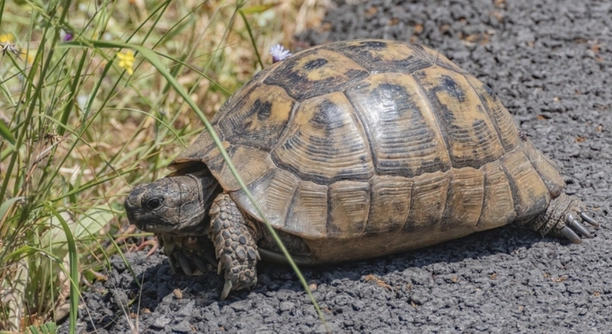
If you’ve noticed that your Greek tortoise’s skin is turning red, it’s important to understand what might be causing this change. Skin color can tell you a lot about your pet’s health, so it’s best to address it early.
A red appearance in a Greek tortoise’s skin may result from various factors such as temperature stress, poor diet, or injury. It can also indicate underlying health issues, like infections or metabolic disorders, that require attention.
This article will explore the potential reasons behind the redness and offer practical advice on how to manage and prevent it. Understanding these causes will help ensure your tortoise stays healthy and comfortable.
Temperature Stress
Your Greek tortoise is highly sensitive to temperature changes. If the environment is too hot or too cold, it can cause stress, which may show in skin color changes. A tortoise’s body needs a stable temperature to thrive. When it’s too hot, the tortoise may overheat, and the skin might turn red or even appear inflamed. On the other hand, being too cold can make their immune system weak, leaving them more susceptible to infections.
To prevent temperature stress, ensure your tortoise’s habitat stays within a safe range. The warm side of the enclosure should be around 85°F to 90°F, with a cooler area at 75°F to 80°F. A heat lamp and a thermometer will help you monitor these levels closely.
If the skin turns red from temperature stress, take immediate action by adjusting the heat and providing a more comfortable spot for your tortoise to rest. Watch for signs of lethargy or a decrease in appetite, which are signs that your tortoise might not be comfortable. Managing temperature is crucial to their overall well-being.
Poor Diet
A poor diet can lead to various health problems for your Greek tortoise. When they don’t get the right nutrients, their skin can be one of the first areas to show signs of distress. A lack of fiber or calcium can cause skin issues, including redness or irritation.
Greek tortoises need a balanced diet with plenty of leafy greens, high-fiber grasses, and calcium-rich foods like dandelion greens. Avoid feeding them too many fruits, as sugar can cause digestive issues and weaken their immune system. A well-balanced diet will not only improve their skin but also keep them healthy overall.
Adding a calcium supplement to their diet can also support shell and skin health. Calcium helps maintain proper skin function and can prevent irritation. Always aim for variety in their meals and provide fresh water daily to keep them hydrated. When their diet is right, your tortoise will thrive, and their skin will reflect that care.
Skin Injury or Infection
Skin injuries can cause your tortoise’s skin to turn red, especially if they’re scratched or hurt by rough surfaces in their enclosure. The skin may become inflamed or infected, showing signs of redness, swelling, or even scabs. If you notice any injuries, it’s important to clean the area carefully to avoid infection.
Infections can also develop on the skin if bacteria or fungi enter through small cuts or open areas. In some cases, wounds may not be obvious, but the redness around the skin is a sign that something isn’t right. If you spot pus or unusual growths, seek immediate veterinary help.
To prevent injuries, make sure your tortoise’s enclosure is free of sharp objects or rough surfaces that could cause cuts. Regularly check your tortoise for any signs of discomfort or injury. If an injury is suspected, you may need to keep your tortoise in a separate, clean space while it heals. Infections can worsen without proper care, so it’s best to act quickly.
Metabolic Bone Disease
Metabolic Bone Disease (MBD) can cause a range of health issues in Greek tortoises, including skin problems. It’s usually the result of a calcium deficiency or improper UVB lighting. Without enough calcium, the tortoise’s bones and tissues suffer, leading to weakened skin and other visible symptoms, like red or swollen areas.
If left untreated, MBD can cause more severe health complications, such as deformities in the shell and limbs. Providing a balanced diet with adequate calcium and using proper UVB lighting are essential in preventing this condition. In severe cases, a vet may need to administer supplements or adjust the tortoise’s care routine.
To avoid MBD, make sure to offer a variety of leafy greens high in calcium and avoid too many high-oxalate plants, which can block calcium absorption. UVB lighting should be positioned correctly to ensure your tortoise is getting enough exposure. If you notice signs of MBD, such as deformities or weakness, a prompt visit to the vet is necessary.
Dehydration
Dehydration is another common cause of skin problems in Greek tortoises. When they aren’t getting enough water, their skin can dry out and become irritated, sometimes turning red or flaky. Proper hydration is essential for keeping their skin soft and healthy.
You can help prevent dehydration by providing fresh, clean water every day. Some tortoises prefer to soak in shallow water, so offering a small dish for them to drink from or bathe in can encourage hydration. Additionally, misting their enclosure can help maintain moisture levels in the air.
Dehydration can be especially harmful to younger tortoises or those in drier environments. To keep them hydrated, offer water multiple times a day, especially during warmer months. This simple step will go a long way in maintaining healthy skin and overall well-being.
Parasites
Parasites like mites or ticks can also cause redness in your tortoise’s skin. These tiny creatures feed on the tortoise’s skin, leading to irritation, swelling, and inflammation. Regularly check for parasites, especially if your tortoise has been outside or exposed to other animals.
Parasites can be difficult to spot at first, but look for signs like scabs, swelling, or abnormal patches on the skin. If you see these symptoms, inspect the shell, limbs, and underbelly closely. If parasites are present, treatment is necessary, which may involve medications prescribed by a vet.
Overexposure to Sunlight
While sunlight is necessary for your tortoise’s health, too much exposure can cause burns and skin irritation. Overexposure to UVB or direct sunlight can result in redness and discomfort for your tortoise.
Always ensure your tortoise has access to shaded areas in its enclosure where it can cool down. Consider adding natural hiding places and creating a more varied environment to help them escape excessive sunlight.
FAQ
What should I do if my Greek tortoise’s skin is turning red?
If your tortoise’s skin turns red, it’s important to first check the environment and diet. Ensure their habitat temperature is stable and that their diet includes enough calcium and fiber. If the redness continues, consider consulting a vet. They might have an infection, injury, or a more serious condition. A vet can help determine the exact cause and provide treatment.
Can a Greek tortoise’s skin turn red due to stress?
Yes, stress can cause a Greek tortoise’s skin to appear red. Stress may come from factors like sudden temperature changes, handling too often, or poor diet. If your tortoise seems stressed, try to reduce any disturbances and maintain a calm environment. Providing consistent care can help reduce their stress levels and prevent skin irritation.
How can I prevent dehydration in my Greek tortoise?
To prevent dehydration, make sure your tortoise always has access to fresh, clean water. You can encourage drinking by placing a shallow water dish in their enclosure. In addition, misting their habitat lightly can help raise humidity levels, especially if you live in a dry area. Regular soaking is also beneficial, especially during warmer months.
Could an injury cause my tortoise’s skin to turn red?
Yes, injuries can lead to redness or swelling in the skin. Even a small cut or scrape might cause irritation, leading to redness around the area. If you notice any wounds or unusual swelling, clean the area carefully and watch for signs of infection. If the redness doesn’t go away or worsens, a vet visit is recommended.
What are the signs of Metabolic Bone Disease (MBD) in tortoises?
Signs of Metabolic Bone Disease in tortoises include weakness, shell deformities, and soft or swollen limbs. If MBD is severe, the tortoise may also experience changes in their skin, such as redness or irritation. A lack of calcium and improper UVB lighting is the primary cause. Ensure your tortoise receives proper calcium supplements and has access to appropriate UVB lighting to avoid MBD.
Is overexposure to sunlight harmful to my Greek tortoise?
Yes, overexposure to sunlight can be harmful. While UVB light is necessary for your tortoise’s health, too much direct sunlight can lead to burns and skin irritation, causing redness. Make sure to provide shaded areas in their enclosure, so they can cool down when needed. Moderation is key for sunlight exposure.
How can I treat a Greek tortoise’s red skin caused by an infection?
If your tortoise has an infection, you will need to visit a vet for proper diagnosis and treatment. The vet may recommend topical treatments or medications to treat the infection. In the meantime, keep the tortoise’s enclosure clean and ensure they are comfortable. Make sure their diet is balanced to support their immune system as well.
What could be causing my tortoise’s skin to turn red if the temperature is fine?
If the temperature seems fine and the skin is still turning red, it could be due to other factors, such as diet, stress, or injury. Check if their food has enough nutrients and calcium. If your tortoise is stressed or injured, those issues can cause skin irritation. Keep an eye out for changes in behavior or other symptoms.
Is it safe to use supplements for my Greek tortoise?
Yes, supplements can be beneficial for your tortoise, especially calcium and vitamin D3. These help maintain bone health and prevent Metabolic Bone Disease. However, it’s important not to over-supplement, as this can cause imbalances. Always follow a vet’s recommendations on supplement use and monitor your tortoise’s overall health closely.
It’s important to pay attention to any changes in your Greek tortoise’s skin, especially if it starts turning red. Redness can be a sign of various issues like temperature stress, poor diet, dehydration, infections, or even injuries. By carefully observing your tortoise and taking action when needed, you can help ensure it stays healthy. Adjusting the environment, offering a proper diet, and ensuring hydration are simple steps to support your tortoise’s well-being. However, if the redness persists or worsens, it’s always best to consult a vet for further advice and treatment.
When dealing with skin issues, one of the key things to remember is that prevention is often easier than treatment. Keeping your tortoise’s enclosure at a consistent temperature, ensuring they get the right nutrients, and maintaining proper hydration can all help prevent health problems. Offering a variety of leafy greens and ensuring your tortoise gets enough calcium and UVB light is crucial. Even small changes, like adding a shaded area in the enclosure, can help avoid issues like sunburn or heat stress.
Taking care of a Greek tortoise requires patience, attention, and regular checks. While red skin can sometimes indicate a minor problem, it’s always a good idea to stay vigilant and take quick action if needed. By keeping their environment comfortable, their diet balanced, and their health monitored, you can help your tortoise live a long, healthy life. It’s always best to be proactive and seek professional advice when in doubt, ensuring your tortoise’s skin stays in good condition and free from underlying issues.

Hello,
If you enjoy the content that we create, please consider saying a "Thank You!" by leaving a tip.
Every little bit helps us continue crafting quality advice that supports the health, happiness, and well-being of pets around the world, for pets of all shapes, sizes, and species.
We really appreciate the kindness and support that you show us!