
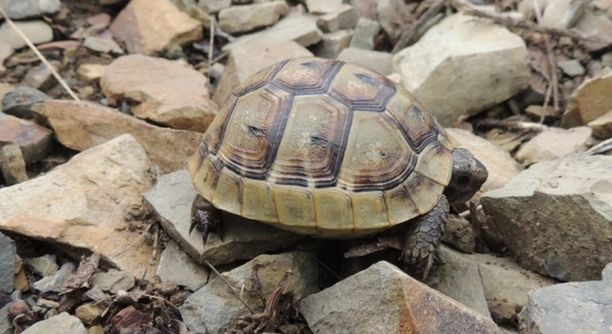
Greek tortoises are known for their steady appetites, but there are times when they might suddenly lose interest in their food dish. If you’ve noticed this shift, it’s important to understand why it may be happening.
A sudden disinterest in food could stem from a variety of causes such as stress, illness, environmental changes, or even an unsuitable diet. Identifying the exact reason requires careful observation of your tortoise’s behavior and surroundings.
Several factors could be affecting your tortoise’s eating habits. Understanding the possible causes will help you address any concerns and restore balance to your pet’s routine.
Stress or Anxiety
Tortoises can experience stress for various reasons, including changes in their environment. Whether it’s moving to a new enclosure or even a slight shift in daily routines, these changes can make your tortoise feel uneasy. Stress can result in a lack of interest in food, as it may cause them to retreat into their shell or behave differently than usual. It’s essential to observe your tortoise closely to spot any signs of stress, such as hiding more than usual or appearing restless. These changes in behavior might not just affect their eating habits but could lead to other health issues as well.
Even small shifts in lighting, temperature, or the presence of other pets can cause discomfort. Make sure your tortoise’s space is quiet, secure, and well-suited for its needs. Stressful conditions can decrease their appetite significantly, so consider evaluating the setup.
Ensuring a calm, stable environment is key. A comfortable temperature, proper humidity levels, and minimal disturbances can help your tortoise feel more relaxed and ready to eat again.
Illness or Health Problems
Tortoises are good at hiding symptoms of illness, so it’s not always easy to spot when something is wrong. If your tortoise suddenly avoids food, it could be an indicator that they’re not feeling well. Digestive issues, respiratory infections, or other health problems might cause a loss of appetite. Physical signs such as lethargy, discharge from the nose or eyes, or abnormal breathing can help you identify the problem early. If your tortoise is consistently avoiding its food dish and seems more withdrawn, a visit to the vet is a good idea.
Tortoises’ health can also be impacted by poor diet or improper care. Ensuring that your pet gets the right nutrients and is living in a safe, healthy environment plays a big role in maintaining their well-being.
The key to maintaining a healthy tortoise is paying attention to the signs and seeking professional help when needed. A vet will be able to pinpoint the issue, whether it’s an infection, vitamin deficiency, or something else, and provide the necessary treatment to get your tortoise back to its normal eating habits.
Temperature and Lighting Issues
Tortoises rely on proper temperature and lighting to regulate their metabolism and digestion. If your pet’s enclosure is too cold or too hot, it can cause them to stop eating. A temperature that’s either too low or too high can make them feel sluggish or uncomfortable, leading to a loss of appetite. Lighting is just as crucial; inadequate UVB lighting can prevent proper calcium absorption, affecting their overall health and appetite. Make sure your tortoise’s habitat has the right temperature gradient, with areas for both basking and cooling down.
A thermometer and UVB lamp should be used to monitor the conditions inside their habitat. Ideal temperatures for a Greek tortoise range from 75 to 85°F during the day, with a basking spot around 95°F. UVB lighting should be provided for about 10-12 hours a day to ensure your tortoise stays healthy and active. Without these essentials, their ability to digest food properly can be compromised, leading them to avoid eating.
If the temperature or lighting isn’t appropriate, your tortoise will likely feel stressed and uncomfortable, making them reluctant to eat. Adjusting the setup can improve their appetite and overall well-being, helping them to thrive in a more stable and suitable environment.
Diet and Food Preferences
The type of food you’re offering may be another reason your tortoise is avoiding its dish. Greek tortoises are herbivores and need a variety of leafy greens, grasses, and flowers to stay healthy. If their food doesn’t match their preferences, they may not be interested in eating. Over time, if they get fed the same food daily, they might lose interest. It’s important to rotate their diet and offer a variety of fresh, nutrient-rich foods to maintain their interest. Introducing new textures and flavors could encourage your tortoise to eat.
Too many high-protein foods, such as fruits, can also lead to imbalances in their diet, causing them to become less interested in their regular meals. A balanced diet with a mix of leafy greens like dandelion, kale, and collard greens, as well as high-fiber grasses, should be the focus. Make sure that whatever you offer is free from pesticides or harmful chemicals. Offering a diverse, appealing diet will help ensure your tortoise is satisfied and stays healthy.
In addition to variety, the presentation of food is important. Offering food in different ways, such as on a flat surface or hiding some in different areas of their enclosure, can engage their natural foraging instincts. This keeps mealtime interesting for your tortoise and can encourage them to eat.
Overfeeding
Overfeeding can cause your tortoise to lose interest in its food dish. If they are offered too much food, they may not feel hungry enough to eat. It’s important to monitor the portion sizes and only give them what they can reasonably consume in a day. Feeding them too often can also lead to weight gain, which might affect their eating habits.
A good rule of thumb is to offer a serving size that’s roughly the size of your tortoise’s shell. This will prevent them from feeling overwhelmed and help keep their eating habits on track. Additionally, ensure that there are no leftover foods in their enclosure, as stale food can discourage them from eating. Offering food in moderation and at regular intervals will keep their appetite at a healthy level.
Seasonal Changes
Greek tortoises may also change their eating habits due to seasonal changes. As cold-blooded animals, they rely on external temperatures to regulate their body functions, and during colder months, their metabolism slows down. This natural process may cause them to eat less or even go into a state of dormancy, especially if they don’t have access to heat or a proper hibernation environment.
It’s crucial to understand the natural cycles of your tortoise and adjust its care accordingly. During the colder months, they may need less food, and offering lighter meals can prevent overfeeding. Watch for signs of hibernation, such as reduced activity or hiding, and avoid forcing food.
FAQ
Why is my Greek tortoise not eating?
There can be several reasons why your Greek tortoise isn’t eating. Stress, illness, improper temperature or lighting, a poor diet, overfeeding, or seasonal changes could all play a role. It’s important to check their environment first—ensure the temperature is right, there is enough UVB light, and the habitat is quiet and secure. If these factors are in check, look at their diet. Greek tortoises should eat a variety of leafy greens and grasses, but overfeeding or offering too much of one food can cause them to lose interest. Keep an eye on their behavior and health, and if the issue persists, consider consulting a vet.
How can I tell if my tortoise is stressed?
A stressed tortoise may exhibit signs like hiding more often than usual, refusing food, being more lethargic, or showing signs of aggression. They may also withdraw into their shell when approached or act skittish. Stress can come from several factors, including changes in their habitat, loud noises, or the introduction of new animals. If you notice any of these behaviors, it’s a good idea to reassess their living conditions. Make sure their enclosure is quiet, secure, and free from sudden disturbances. Keep things stable to reduce their stress levels.
What temperature should my Greek tortoise’s enclosure be?
Greek tortoises need a temperature gradient within their enclosure to regulate their body heat. The basking spot should be between 90 to 95°F, and the rest of the enclosure should range between 75 to 85°F during the day. At night, temperatures should drop to around 65 to 70°F. It’s important to use a thermometer to monitor these conditions. If the temperatures are too high or too low, your tortoise may stop eating, become sluggish, or even become ill. Adjust the heating and lighting accordingly to keep them comfortable and healthy.
How much should I feed my Greek tortoise?
It’s crucial not to overfeed your tortoise. Offer a portion of food that is roughly the size of their shell daily. This helps maintain a healthy weight and encourages natural foraging behavior. Make sure to provide a variety of fresh, leafy greens such as kale, dandelion greens, and collard greens, as well as grasses. High-protein foods like fruits or lettuce should be given sparingly. Too much food, especially protein, can lead to obesity or digestive issues, causing your tortoise to avoid their food dish. Always remove any uneaten food to prevent spoilage.
Can my Greek tortoise eat fruit?
Fruit should only be offered in moderation. Greek tortoises are primarily herbivores, and their diet should consist mainly of leafy greens and grasses. While fruits like strawberries or apples can be a tasty treat, too much fruit can cause imbalances in their diet. Fruits are high in sugar and can affect their digestion and overall health. Offer fruit once or twice a week, ensuring it is cut into small, manageable pieces. Always focus on providing more fibrous, low-calcium foods to keep their digestive system in balance.
What do I do if my tortoise isn’t eating for several days?
If your tortoise refuses to eat for a few days, don’t panic immediately. Tortoises can go without food for short periods, especially if they’re adjusting to a new environment or temperature changes. However, if the lack of appetite lasts for more than 3-4 days or is accompanied by other concerning symptoms like lethargy or weight loss, it may indicate a health problem. Check their environment first—ensure the temperature and lighting are correct. If everything seems fine and they still refuse food, consider taking your tortoise to a vet for a check-up to rule out any illness.
How often should I change my tortoise’s water?
Tortoises need access to fresh water every day. It’s essential to change their water daily to prevent bacteria buildup and ensure they stay hydrated. Even though Greek tortoises don’t drink water as often as other animals, they still need it for hydration and proper digestion. Always provide a shallow water dish that they can easily access and clean it regularly. If your tortoise is drinking less than usual, it could be a sign of dehydration or an issue with their environment. Make sure the humidity levels are optimal and that they have a chance to soak occasionally.
Can my tortoise be sick if it’s not eating?
Yes, a loss of appetite can be a sign that your tortoise is unwell. Illnesses like respiratory infections, digestive issues, or parasites can cause your tortoise to avoid eating. Look for other signs of illness, such as runny eyes or nose, lethargy, or abnormal stools. If you notice any of these symptoms, it’s best to consult a veterinarian who specializes in reptiles. Even if there are no obvious signs of illness, a lack of appetite lasting more than a few days should be addressed. Prompt attention to their health can prevent further complications.
Should I force feed my tortoise if it’s not eating?
Forcing food into a tortoise should only be done under the guidance of a vet. If your tortoise isn’t eating due to a temporary issue like stress or seasonal changes, it’s best to give them time to adjust. However, if they are sick and have stopped eating for an extended period, a vet may recommend hand-feeding or syringe feeding to ensure they are getting the necessary nutrients. Never attempt force feeding without professional advice, as it could cause further stress or injury to your tortoise.
How can I encourage my tortoise to eat?
To encourage your tortoise to eat, try offering a variety of foods to keep their diet interesting. Introduce new textures and food types, such as edible flowers or grasses. You can also try offering food in different ways, like hiding it or scattering it around their enclosure to mimic natural foraging behavior. Make sure their enclosure is warm and well-lit, and ensure that the environment is quiet and calm. A healthy tortoise will be more likely to eat if it feels comfortable and safe. If you still have concerns, consult a vet to rule out any underlying health issues.
In conclusion, there are several reasons why your Greek tortoise might suddenly avoid its food dish. It could be due to stress, changes in its environment, improper temperature or lighting, or even a poor diet. Sometimes, it’s simply a matter of seasonal changes, where your tortoise may naturally eat less or go into hibernation mode. Understanding your tortoise’s behavior is key to pinpointing the issue. It’s essential to observe their surroundings and habits closely to identify any possible stressors or changes that could be affecting their appetite.
Keeping your tortoise’s habitat in check is crucial to ensuring they stay healthy and comfortable. Proper temperature gradients, UVB lighting, and a quiet environment free from disturbances are all factors that can influence their eating habits. If you notice your tortoise refusing food for more than a few days, consider evaluating these elements first before assuming there’s an underlying health issue. Sometimes, simple adjustments in their environment or diet can solve the problem without further concern. A balanced, varied diet with the right portion sizes is also a critical part of maintaining their well-being.
If you’ve ruled out environmental factors and diet changes and your tortoise still isn’t eating, it might be time to consult a vet. There could be underlying health problems such as infections, digestive issues, or other medical conditions that need professional attention. Early intervention can prevent more severe health issues in the future. Keeping an eye on your tortoise’s behavior and acting quickly when necessary will help ensure they remain healthy, happy, and active for years to come.

Hello,
If you enjoy the content that we create, please consider saying a "Thank You!" by leaving a tip.
Every little bit helps us continue crafting quality advice that supports the health, happiness, and well-being of pets around the world, for pets of all shapes, sizes, and species.
We really appreciate the kindness and support that you show us!