
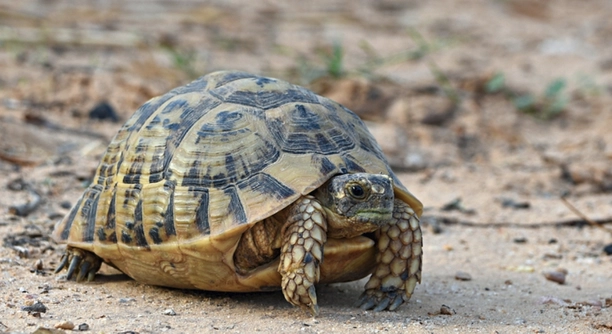
Greek tortoises are popular pets known for their gentle nature. However, like any pet, they can experience health problems, including appetite loss. This article will discuss common causes for appetite loss in Greek tortoises, helping you understand potential issues.
Appetite loss in Greek tortoises can be caused by a variety of factors such as stress, improper diet, environmental changes, and underlying health problems. Identifying the cause of appetite loss is essential for providing the proper care and treatment for your tortoise.
From stress to diet, multiple reasons may contribute to your tortoise’s appetite loss. Understanding these causes can help ensure your pet stays healthy and happy for years to come.
Stress and Anxiety
Stress is a common cause of appetite loss in Greek tortoises. They can easily become stressed from changes in their environment, handling, or other pets around them. When a tortoise feels threatened or uncomfortable, it may stop eating. These reptiles are sensitive to changes and may need time to adjust. Stress can also be caused by loud noises, sudden temperature fluctuations, or overcrowded living spaces. When a tortoise is stressed, it may hide more often and be less active, which can impact its eating habits.
Sometimes, even if there’s no obvious change in the environment, a tortoise can still experience anxiety from other factors. For example, if they feel too exposed or lack a proper hiding place, they may retreat into their shell and refuse to eat. Creating a safe and calm space can help relieve some of that anxiety, giving your tortoise a chance to relax and regain its appetite.
To reduce stress in your tortoise’s environment, make sure their habitat is quiet, well-lit, and appropriately sized. Provide hiding spots and avoid handling them too often. It may take a few days or even weeks for your tortoise to adjust, so be patient.
Improper Diet
An improper diet is another major reason for appetite loss. Greek tortoises are herbivores, so they rely on a variety of vegetables and plants for nutrition. If they are fed the wrong food, it can lead to digestive issues or lack of interest in eating. A poor diet can result in nutrient imbalances and even cause your tortoise to stop eating altogether.
To ensure your tortoise stays healthy, offer a diverse range of greens such as dandelion greens, collard greens, and cactus pads. Avoid feeding them high-protein foods or too many fruits, as these can upset their digestive system. Offer fresh food daily and remove uneaten portions to prevent spoilage.
A balanced diet is key to maintaining not just your tortoise’s appetite but also its overall health. If your tortoise stops eating despite a balanced diet, there may be another underlying cause that needs attention.
Environmental Changes
Changes in the tortoise’s environment can cause significant stress and result in a loss of appetite. These changes may include temperature shifts, changes in lighting, or a move to a new enclosure. Greek tortoises are sensitive to their surroundings, and even small disruptions can affect their eating habits.
If your tortoise’s habitat is too cold or too hot, it could cause discomfort, leading them to stop eating. Greek tortoises require a temperature gradient in their enclosure to help regulate their body heat. Ensure that their basking area is warm, around 90°F, while the cooler side of the habitat should be about 75°F.
When making any changes to their environment, be gradual and give your tortoise time to adjust. A stable, comfortable habitat is essential for their well-being. Always monitor the temperatures and ensure they have access to a UVB light source to promote good digestion and appetite.
Illness or Infection
Illness or infections are often a hidden cause of appetite loss in tortoises. Greek tortoises can develop respiratory infections, parasites, or digestive issues, which may cause them to stop eating. A tortoise in poor health will typically show other signs such as lethargy, swollen eyes, or mucus discharge.
If your tortoise’s behavior changes suddenly, or it becomes less active, an underlying infection might be the issue. Respiratory infections are particularly common in tortoises and can lead to a lack of appetite. If you notice abnormal symptoms, it is important to seek advice from a reptile vet as soon as possible.
A vet will be able to diagnose and treat infections promptly. The earlier you identify any issues, the easier it will be to treat your tortoise. When a tortoise is sick, providing appropriate treatment and a quiet, stress-free environment can help them recover faster and regain their appetite.
Dehydration
Dehydration can lead to appetite loss in Greek tortoises. When they are not drinking enough water, they may stop eating and become lethargic. Dehydration can happen if the humidity in their enclosure is too low, or if they are not offered fresh water regularly.
Make sure your tortoise always has access to clean, fresh water. Offer it in a shallow dish to prevent any accidents. Mist the enclosure with water to maintain proper humidity levels, especially if you live in a dry climate. A hydrated tortoise will have a better appetite and overall health.
Lack of Exercise
Greek tortoises need regular exercise to stay healthy. Without it, they may become sluggish and less interested in eating. A lack of activity can result in a slower metabolism and poor digestion, which directly affects their appetite.
Encourage your tortoise to move by offering a larger enclosure or time outdoors. Letting them roam safely in a garden or yard allows them to explore and stay active. A tortoise that is physically active will also have a better appetite and be more likely to eat regularly.
Overfeeding
Overfeeding can also cause appetite loss. When a tortoise is given too much food, especially high-protein or high-fat items, it can lead to obesity and digestive problems. This can make them less interested in eating the right foods.
To avoid overfeeding, stick to a balanced, moderate feeding routine. Offer small portions of vegetables daily and remove any uneaten food to keep things fresh. Proper portion control ensures that your tortoise doesn’t become overloaded with food, helping them maintain a healthy appetite.
FAQ
Why is my Greek tortoise not eating?
There are many possible reasons your Greek tortoise isn’t eating, including stress, illness, improper diet, or environmental issues. If the habitat has changed or the temperature isn’t right, your tortoise may stop eating. Illnesses like respiratory infections or parasites are also common culprits. If your tortoise is inactive, has swollen eyes, or shows signs of mucus discharge, it could be sick. A visit to the vet can help determine if there’s an underlying health problem.
How can I tell if my tortoise is stressed?
Stress in tortoises can be shown through behaviors like hiding, refusing to eat, or excessive movement around the enclosure. A tortoise that seems unusually lethargic or is constantly retreating into its shell might be feeling anxious. Changes in the environment, such as noise, temperature shifts, or overcrowding, can also cause stress. Monitoring your tortoise’s behavior closely and keeping its environment calm and stable will help reduce stress.
Can a wrong diet cause appetite loss in Greek tortoises?
Yes, a poor diet can lead to appetite loss in Greek tortoises. Feeding them the wrong foods, such as too much fruit or high-protein items, can upset their digestive system. They need a balanced diet consisting mainly of leafy greens and low-fiber vegetables. High-fat foods can lead to obesity, which affects their appetite. If your tortoise refuses to eat, consider evaluating the diet and making adjustments.
What are the signs of dehydration in Greek tortoises?
Dehydration is a serious concern for tortoises. Signs include dry or sunken eyes, lethargy, and a lack of interest in food or water. If your tortoise’s skin looks dry and doesn’t “snap back” when gently pinched, it could be dehydrated. Make sure your tortoise has constant access to fresh water and mist the enclosure to maintain proper humidity levels.
How often should I feed my Greek tortoise?
Greek tortoises should be fed daily, but the amount depends on their age and size. Young tortoises, under 2 years old, should be fed daily, while adults can be fed every other day. Offer a variety of fresh greens, such as dandelion greens, collard greens, and cactus pads. Avoid overfeeding, as it can lead to obesity or digestive problems.
Should I worry if my tortoise is eating less in winter?
It’s normal for Greek tortoises to eat less in the winter months, as they naturally slow down and enter a semi-hibernation state during colder weather. However, make sure their enclosure is warm enough. The basking spot should remain around 90°F, and the cooler side should be around 75°F. If your tortoise’s appetite significantly decreases or it shows signs of illness, consult a vet.
What can I do to encourage my tortoise to eat?
To encourage your tortoise to eat, try offering a variety of fresh greens and vegetables. You can also try lightly misting the food with water to make it more appealing or slightly warming it. Make sure their enclosure is clean, spacious, and has proper lighting and temperature. A calm, stable environment with plenty of hiding spots can also help reduce stress and encourage eating.
Can overfeeding cause appetite loss in tortoises?
Yes, overfeeding can cause appetite loss. If a tortoise is given too much food, especially high-fat or high-protein foods, it can become sluggish and lose interest in eating. Offering small, balanced portions of food daily and removing any uneaten food will help prevent overfeeding. Ensure the diet is high in fiber and low in fat to avoid health problems.
How can I tell if my tortoise is sick?
If your tortoise shows signs such as lethargy, swollen eyes, excessive mucus, or has trouble breathing, it could be sick. A lack of appetite, irregular bowel movements, or changes in shell appearance can also indicate health issues. It’s important to take your tortoise to a reptile vet if any unusual symptoms persist, as early treatment can prevent further complications.
Is it normal for my tortoise to refuse food for a short time?
It is normal for tortoises to go without food for a short period, especially when they are adjusting to a new environment or going through a seasonal slowdown. However, if the refusal to eat continues for an extended period, it could be a sign of a health issue. Keep an eye on their behavior, and if it lasts longer than a week, it’s best to consult a vet.
When your Greek tortoise stops eating, it can be concerning, but there are several potential causes to consider. Stress, changes in the environment, or even illness can cause appetite loss. It’s important to observe your tortoise’s behavior and look for other signs that could indicate the root of the problem. A calm, stable environment is key to a tortoise’s health, so ensuring their habitat is quiet, clean, and appropriately sized can help reduce stress. If the environment is too hot or cold, or if the lighting is inadequate, it can lead to a loss of appetite. Always make sure the temperature is well-regulated with a basking spot around 90°F and a cooler side around 75°F.
Diet is another crucial factor. A balanced diet of fresh greens and vegetables is essential for maintaining your tortoise’s health and appetite. Overfeeding or offering the wrong types of food, like too much fruit or protein, can result in digestive problems and lead to a decrease in hunger. On the other hand, an improper diet can cause long-term health issues, so always stick to a diet that’s mostly high-fiber greens. If your tortoise isn’t eating, consider reviewing the food you offer to make sure it’s fresh and appropriate for their needs. You can also try offering a variety of vegetables to see if that sparks their appetite.
If your tortoise continues to refuse food for a prolonged period, it could indicate an underlying health issue. Infections, dehydration, or parasites can lead to appetite loss. In these cases, it’s important to consult a reptile vet for a proper diagnosis and treatment. A vet can run tests to determine whether there’s a specific illness or infection affecting your tortoise. Early intervention is crucial in preventing further health problems and helping your tortoise recover quickly. Regular vet checkups can also ensure your tortoise remains healthy and that potential issues are addressed before they become serious.

Hello,
If you enjoy the content that we create, please consider saying a "Thank You!" by leaving a tip.
Every little bit helps us continue crafting quality advice that supports the health, happiness, and well-being of pets around the world, for pets of all shapes, sizes, and species.
We really appreciate the kindness and support that you show us!