
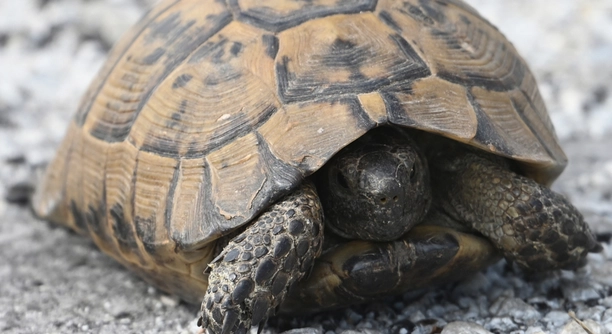
Do you want to introduce a new Greek tortoise to your home but worry about how to do it safely?
The safest way to introduce a new Greek tortoise is through gradual acclimation. Providing a separate enclosure at first, monitoring interactions closely, and ensuring proper hygiene can prevent stress and health issues. Controlled exposure helps them adjust without conflict.
Introducing a Greek tortoise properly can lead to a smooth transition and a healthier, happier pet. Learning key steps will help you create a stress-free environment and prevent potential problems from arising.
Set Up a Separate Enclosure First
A new Greek tortoise needs time to adjust to its environment before meeting other pets. Setting up a separate enclosure allows it to acclimate safely. This space should replicate its natural habitat with proper lighting, temperature, and hiding spots. A quiet location minimizes stress and helps it feel secure. Keep food and water accessible, ensuring hydration and proper nutrition from the start. Observing the tortoise’s behavior in this controlled setting provides insight into its health and comfort level. Introducing it too soon to another tortoise may cause stress or aggression, so patience is key.
A separate enclosure also helps prevent the spread of illnesses. Even if the tortoise appears healthy, quarantine for at least a few weeks ensures it is free from infections or parasites. This precaution protects both the new and existing tortoises.
Once the tortoise is comfortable and shows no signs of illness, gradual introductions can begin. Observing both tortoises’ reactions will help determine the best pace for interaction.
Monitor Their Behavior Closely
Tortoises communicate through body language, and recognizing signs of stress or aggression is essential. Hissing, head bobbing, or biting indicate discomfort. If either tortoise displays these behaviors, separate them immediately to avoid potential injuries.
New tortoises may act shy at first, retreating into their shells or avoiding interaction. This is normal, but persistent hiding could signal stress. On the other hand, excessive dominance from the existing tortoise, such as following or nudging aggressively, may require intervention. If tension continues, extend the separation period before trying again.
Observing feeding habits is another way to assess compatibility. If one tortoise prevents the other from accessing food, separate feeding times may be necessary. A peaceful introduction takes time, and gradual exposure ensures both tortoises feel safe in their shared space.
Keep Enclosures Clean and Hygienic
A clean environment reduces the risk of infections and keeps your tortoise healthy. Remove uneaten food daily, replace soiled bedding, and clean water dishes regularly. Proper ventilation and humidity control help prevent respiratory issues, making the enclosure a safe and comfortable space.
Bacteria and parasites thrive in dirty enclosures. Regular spot cleaning prevents waste buildup, while a deep clean every few weeks ensures a fresh habitat. Use a reptile-safe disinfectant and rinse thoroughly before placing your tortoise back inside. Avoid overcrowding, as too much waste can accumulate quickly, increasing the risk of illness. A well-maintained space promotes better overall health.
Good hygiene extends beyond the enclosure. Wash your hands before and after handling your tortoise to prevent cross-contamination. If you have multiple tortoises, use separate feeding dishes to avoid spreading bacteria. A little extra care goes a long way in keeping them safe and healthy.
Provide Plenty of Hiding Spots
Tortoises feel safer when they have places to retreat. Adding hiding spots in their enclosure helps reduce stress and creates a more natural environment. Logs, rocks, and small shelters provide security, allowing them to rest comfortably without feeling exposed. A comfortable tortoise is more likely to adapt well to its new home.
Each tortoise should have its own hiding spot to avoid competition. If they share the same shelter, conflicts may arise, leading to stress or aggressive behavior. Placing multiple hiding areas in different corners of the enclosure ensures both tortoises feel secure. Natural materials like wood or stone work well, as they mimic the tortoise’s native habitat and encourage normal behaviors.
Temperature control is another benefit of hiding spots. Some materials retain warmth, helping regulate body temperature during cooler periods. Others provide shade, preventing overheating. A well-balanced enclosure with proper shelter keeps your tortoise comfortable and helps with a smoother introduction process.
Introduce Them in a Neutral Space
A neutral space prevents territorial behavior and reduces the chances of aggression. Choose an area neither tortoise has claimed, such as a separate playpen or an unfamiliar enclosure. This helps both tortoises feel more at ease during their first interactions.
Supervise their behavior closely during these introductions. If either tortoise displays signs of stress or dominance, separate them and try again later. Short sessions with gradual increases in time help them adjust without feeling overwhelmed.
Feed Them Separately at First
Competition over food can lead to stress and conflict. Feeding them separately ensures both tortoises get enough to eat and reduces the risk of aggression. Once they become more comfortable with each other, supervised feeding in the same area can be introduced gradually.
Be Patient Throughout the Process
Some tortoises adjust quickly, while others need more time. Avoid rushing the process, as forcing interactions may lead to stress or injuries. Each step should be taken at a pace that feels comfortable for both tortoises.
FAQ
How long should I keep my new Greek tortoise in quarantine?
Quarantine should last at least four to six weeks. This allows time to monitor for signs of illness, parasites, or unusual behavior. Even if the tortoise appears healthy, it may carry bacteria or infections that could spread to your existing pets. Keeping it separate ensures both tortoises stay safe.
Can Greek tortoises live together permanently?
Greek tortoises can sometimes cohabitate, but it depends on their personalities. Some tolerate each other well, while others may show territorial behavior. If aggression occurs, they may need to live in separate enclosures. Providing enough space, multiple hiding spots, and separate feeding areas can help reduce conflict.
What are signs that my tortoises are not getting along?
Aggressive behaviors include head bobbing, ramming, biting, or one tortoise constantly following and bothering the other. If a tortoise hides excessively, refuses to eat, or appears stressed, they may not be comfortable together. Separating them temporarily and reintroducing them slowly can help.
How can I tell if my Greek tortoise is stressed?
A stressed tortoise may hide frequently, refuse food, or become inactive. It may also pace along the enclosure walls or show defensive behaviors like hissing or retracting into its shell for long periods. A calm environment, proper lighting, and gradual introductions help reduce stress.
Do Greek tortoises need a specific diet during the introduction period?
Their diet should remain consistent, with leafy greens, vegetables, and calcium supplements. Avoid making sudden changes, as diet shifts can cause digestive issues. Ensure both tortoises eat properly by feeding them separately at first, then gradually introducing shared feeding spaces under supervision.
Can I introduce a baby Greek tortoise to an adult?
It’s not recommended to house a baby with an adult. Larger tortoises may accidentally injure smaller ones, even if they aren’t aggressive. Babies are also more vulnerable to stress and food competition. Keeping them separate until the younger tortoise grows is the safest option.
How often should I monitor their interactions?
Supervise their interactions daily, especially in the first few weeks. If they seem comfortable, you can gradually reduce supervision but continue checking for any changes in behavior. Regular monitoring helps prevent issues before they become serious.
Should I separate my tortoises if they fight?
Yes, if they display aggressive behaviors, separate them immediately. Give them a break before trying another introduction in a neutral space. Some tortoises simply prefer living alone, so if repeated introductions fail, keeping them in separate enclosures may be the best option.
What if my new Greek tortoise refuses to eat?
A new tortoise may take time to adjust before eating regularly. Ensure the enclosure is warm enough, provide fresh food daily, and limit excessive handling. If it refuses food for more than a week, check for signs of illness and consult a reptile veterinarian.
How can I make the transition easier for my new tortoise?
Providing a stable environment with proper heating, lighting, and hiding spots helps your tortoise feel secure. Minimize stress by keeping noise levels low, handling it gently, and introducing changes gradually. A slow and steady approach leads to a smoother transition.
Final Thoughts
Introducing a new Greek tortoise takes time, patience, and careful planning. A slow and controlled approach helps prevent stress and ensures both tortoises feel comfortable in their environment. Providing a separate enclosure at first, monitoring interactions closely, and maintaining good hygiene are key steps to a successful introduction. Every tortoise has its own personality, so the process may take longer for some than others. Paying attention to their behavior and adjusting the introduction process as needed can make a big difference in how well they adjust.
Even if the tortoises eventually share an enclosure, ongoing monitoring is important. Tortoises can develop territorial behaviors over time, and changes in their environment may affect how they interact. Providing multiple hiding spots, feeding them separately when necessary, and keeping their habitat clean can help prevent conflicts. Some tortoises may never be fully compatible, and that’s okay. If aggression or stress continues, it’s best to house them separately to ensure their well-being. Their health and safety should always come first.
A successful introduction allows both tortoises to feel secure in their shared space. A stress-free environment leads to better eating habits, normal activity levels, and a healthier life overall. Taking the time to introduce them properly helps build a positive and peaceful relationship. By following careful steps and staying observant, you can create a safe and comfortable home for your tortoises.

Hello,
If you enjoy the content that we create, please consider saying a "Thank You!" by leaving a tip.
Every little bit helps us continue crafting quality advice that supports the health, happiness, and well-being of pets around the world, for pets of all shapes, sizes, and species.
We really appreciate the kindness and support that you show us!