
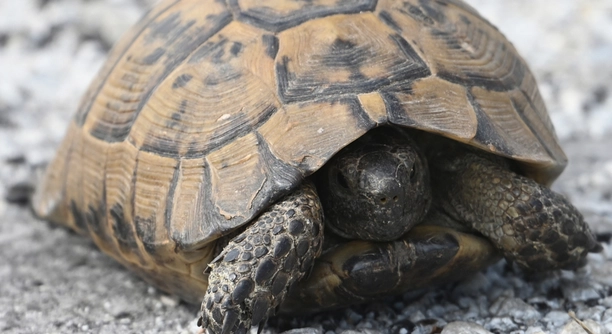
If you’ve noticed your Greek tortoise repeatedly bumping into things, you may be wondering what’s causing this behavior. Understanding the reasons behind it can help improve your pet’s environment and well-being.
The most common reasons why a Greek tortoise may keep bumping into objects include poor eyesight, a lack of space, or even environmental factors like poor lighting or temperature. These factors can cause confusion or disorientation, leading to frequent collisions.
Addressing the underlying causes can help create a safer and more comfortable habitat for your tortoise, promoting better behavior and overall health.
Poor Vision
Greek tortoises rely heavily on their sense of sight to navigate their surroundings. If your tortoise is constantly bumping into things, it might be experiencing vision issues. While tortoises can see well enough to find food and recognize their environment, their sight is not as sharp as that of some other animals. Inadequate lighting or age-related decline can contribute to reduced vision. When the light in their environment is too dim or if the tortoise is older, it may struggle to detect obstacles, leading to the frequent collisions you’re noticing.
Creating a well-lit environment for your tortoise is essential. A UVB light source helps maintain their vision and overall health. Regularly checking the light levels can ensure that they have enough to see clearly.
Additionally, consider checking for signs of cataracts or other eye-related issues. These conditions can also impact their ability to navigate effectively, making it important to seek veterinary advice if you notice any symptoms.
Limited Space
Greek tortoises are used to roaming in larger areas, so a small enclosure may cause them to run into objects as they try to move around. A cramped space limits their natural movement, and they may unintentionally bump into walls, rocks, or plants.
Providing enough room for your tortoise to explore is key to their well-being. A spacious habitat allows them to roam freely and safely without constantly encountering obstacles. It’s important to ensure that your tortoise has a comfortable environment where it feels secure and has room to grow. By increasing the space available, you can help reduce these incidents.
Additionally, a larger area gives your tortoise the opportunity to express natural behaviors, which promotes a happier, healthier lifestyle. Aim for a habitat that is big enough for your tortoise to explore while maintaining a safe and enclosed environment.
Poor Lighting
Inadequate lighting can affect your Greek tortoise’s ability to see clearly and may lead to disorientation. A well-lit habitat is crucial for maintaining their natural behavior and vision. If the lighting is too weak, your tortoise might have difficulty detecting obstacles and could end up bumping into objects more frequently.
UVB lighting is essential for their overall health. It allows them to process calcium and prevents metabolic bone disease. Make sure your tortoise’s habitat receives the correct amount of light, with the right temperature gradient. Position the light source so it reaches all areas of the enclosure, ensuring good visibility for your tortoise.
A balanced lighting setup not only helps with their vision but also creates a healthier environment. Ensure that your tortoise is exposed to natural sunlight or a proper UVB bulb for about 12 hours a day. Regularly replacing the UVB bulb is necessary, as they lose effectiveness over time.
Temperature Issues
Temperature imbalances can also contribute to disoriented behavior in Greek tortoises. They are ectothermic animals, meaning they rely on their environment to regulate body heat. If the enclosure is too cold or too hot, your tortoise may become sluggish or more prone to accidents, such as bumping into things.
Maintaining a proper temperature gradient is key. A warm area should be provided for basking, typically around 85–90°F, while a cooler side should allow your tortoise to escape the heat if needed. Without the right balance, your tortoise might not move as purposefully and could struggle to navigate its environment.
If your tortoise appears lethargic or frequently bumps into objects, it could be a sign of temperature-related stress. Ensure your enclosure mimics the natural conditions they would encounter in the wild. A reliable thermometer will help you monitor and adjust the temperature accurately.
Stress
Stress can cause a tortoise to act differently, including bumping into objects. If your tortoise feels anxious or threatened, it might not be as aware of its surroundings. Common stressors include loud noises, changes in the environment, or being handled too frequently.
Changes in their habitat, such as a new object or sudden temperature shifts, can cause confusion. This can lead your tortoise to move in a more erratic manner, which may result in collisions. A calm, quiet environment will help your tortoise feel more secure.
To reduce stress, try keeping your tortoise’s habitat stable. Minimize loud noises and sudden changes that may unsettle them. Ensure they have a safe, quiet area where they can retreat if needed.
Enclosure Design
A poorly designed enclosure can increase the likelihood of a tortoise bumping into objects. If the setup is too cluttered or doesn’t provide clear pathways, your tortoise may struggle to move freely. Consider arranging the habitat so that it’s easy for your tortoise to navigate.
Add rocks, plants, and hiding spots to create a natural environment, but leave enough open space for easy movement. Avoid overcrowding the enclosure with too many obstacles that may confuse your tortoise. The more open space your tortoise has, the less likely it is to bump into things.
A well-organized enclosure provides both mental stimulation and physical space, allowing your tortoise to stay active without constant collisions.
Health Problems
Occasionally, health issues such as neurological problems or injuries can lead to a tortoise bumping into things. If your tortoise has difficulty coordinating its movements, it may be a sign of an underlying health concern. Watch for other signs of illness.
Issues like infections, dehydration, or neurological conditions can affect a tortoise’s motor skills. If your tortoise is exhibiting abnormal behavior, it’s best to consult a veterinarian. Catching health problems early will help your tortoise recover faster.
By addressing any health concerns, you’ll provide your tortoise with the best chance for a quick recovery and a more comfortable, accident-free life.
FAQ
Why is my Greek tortoise bumping into walls?
Greek tortoises might bump into walls due to vision problems, stress, or a lack of space. Poor lighting and temperature issues can also contribute to disorientation, making it difficult for your tortoise to navigate its environment. Check for environmental factors that may be affecting its ability to move freely, such as dim lighting or obstacles within its enclosure.
How can I tell if my tortoise is stressed?
Stress in tortoises often manifests through erratic behavior, such as bumping into things, hiding more than usual, or refusing to eat. Stress can be caused by factors like loud noises, changes in their habitat, or being handled too frequently. If you notice any signs of stress, try to make their environment as calm and stable as possible.
Can poor lighting affect my tortoise’s behavior?
Yes, poor lighting can affect your tortoise’s behavior and overall health. Tortoises need UVB lighting to help with calcium absorption and to maintain healthy vision. Without proper lighting, they may become disoriented or stressed, which could lead to bumping into walls and other obstacles. Ensure your tortoise’s habitat receives adequate UVB lighting to promote their well-being.
Is my tortoise’s eyesight the cause of the bumps?
It’s possible. Greek tortoises rely on their vision to navigate their surroundings, so any issues with their eyesight can cause them to bump into things. Older tortoises or those with health problems may experience vision loss or impairment. If you suspect eyesight is the issue, consider consulting a veterinarian to rule out any serious problems.
How much space does a Greek tortoise need?
Greek tortoises require ample space to roam and explore. A small, cramped enclosure can cause them to feel restricted, leading to disorientation and frequent collisions. A general guideline is to provide at least 4 square feet of space per tortoise, with larger enclosures being even better. This allows them room to move naturally without constantly bumping into things.
Can temperature affect my tortoise’s behavior?
Yes, temperature plays a crucial role in the behavior of Greek tortoises. If the enclosure is too hot or too cold, it can cause your tortoise to become lethargic, stressed, or disoriented. A proper temperature gradient is essential. Provide a basking area with temperatures between 85–90°F and a cooler area to help your tortoise regulate its body temperature.
How can I reduce stress in my tortoise?
Reducing stress involves creating a stable and quiet environment for your tortoise. Avoid sudden changes in the habitat, minimize loud noises, and provide plenty of hiding spots. A consistent daily routine and limited handling will help your tortoise feel secure. Stress can lead to accidents and poor health, so a calm environment is key.
What are some signs that my tortoise is not feeling well?
If your tortoise is bumping into objects frequently, it could be a sign of illness or discomfort. Other signs to watch for include lethargy, a loss of appetite, swelling, or discharge from the eyes or nose. If you notice any of these symptoms, it’s important to seek veterinary care as soon as possible to ensure your tortoise’s health is not compromised.
What should I do if my tortoise keeps bumping into things?
First, assess the environment to ensure that it’s safe and well-lit, with enough space for your tortoise to move freely. Check for any possible health issues, such as vision problems or injuries. If the behavior persists, it’s advisable to consult a veterinarian to rule out any underlying health concerns or neurological conditions.
Can Greek tortoises get injured from bumping into things?
Yes, Greek tortoises can get injured from bumping into hard objects, especially if they hit sharp edges or rough surfaces. The shell can get scratched or damaged, leading to infections or other health complications. It’s important to ensure that the habitat is safe, with soft surfaces and rounded corners, to prevent injury.
Is it normal for tortoises to bump into things?
While some occasional bumping may happen, it’s not ideal. Constantly bumping into things is usually a sign of an underlying issue, such as vision problems, stress, or an overcrowded environment. If your tortoise frequently runs into walls or obstacles, it’s time to evaluate the habitat and health conditions more closely.
How can I improve my tortoise’s enclosure?
Improving your tortoise’s enclosure involves increasing the space, adding proper lighting, and ensuring the temperature is regulated. Include natural elements like rocks and plants for enrichment, but also ensure that there are clear pathways for easy movement. A well-organized and spacious habitat helps your tortoise move freely without frequent collisions.
Final Thoughts
Understanding why your Greek tortoise may be bumping into things is important for both its safety and well-being. Several factors can contribute to this behavior, including environmental issues like poor lighting, a lack of space, or stress. Health problems such as vision loss or neurological issues can also lead to disorientation, causing your tortoise to move erratically and bump into objects. By observing your tortoise’s behavior and assessing its living conditions, you can identify potential causes and take appropriate steps to resolve them.
Creating a comfortable and safe environment for your tortoise is key to preventing these accidents. Ensure that its enclosure is spacious enough, with clear pathways to allow free movement. Proper lighting, especially UVB light, is essential for your tortoise’s health and can help prevent disorientation. Avoid placing too many obstacles in the enclosure, as a cluttered space can confuse your tortoise and make it more likely to bump into things. A calm and stable environment is also important, as stress can lead to unusual behavior.
Lastly, it’s crucial to monitor your tortoise for any signs of illness. If you notice that your tortoise is constantly bumping into objects, becoming lethargic, or displaying other abnormal behaviors, it might be time to consult a veterinarian. Addressing health concerns early can prevent further complications and ensure your tortoise’s long-term health. By making small adjustments to its environment and behavior, you can provide your tortoise with a happier, healthier life.

Hello,
If you enjoy the content that we create, please consider saying a "Thank You!" by leaving a tip.
Every little bit helps us continue crafting quality advice that supports the health, happiness, and well-being of pets around the world, for pets of all shapes, sizes, and species.
We really appreciate the kindness and support that you show us!