
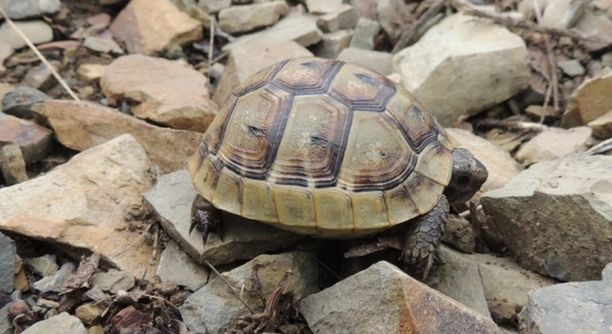
Is your Greek tortoise’s shell cracking, leaving you concerned about its health? Shell damage can be alarming, and understanding the causes is essential. Several factors can contribute to this issue, ranging from environmental conditions to improper care and nutrition.
The primary causes of a Greek tortoise’s shell cracking include inadequate humidity, poor diet, lack of calcium, excessive dryness, injuries, infections, and improper habitat conditions. Addressing these factors can help prevent further damage and ensure your tortoise’s long-term well-being.
Understanding these causes will help you take the necessary steps to protect your tortoise’s shell. Proper care and preventative measures can significantly improve your pet’s overall health and quality of life.
Common Causes of Shell Cracking
Greek tortoises rely on a strong, healthy shell for protection. When cracks appear, environmental conditions, diet, and injuries are often to blame. Low humidity can lead to shell dryness, making it brittle and prone to cracking. A poor diet lacking calcium and essential nutrients can weaken shell development. Injuries from falls, rough handling, or sharp objects in their habitat can also result in cracks. Additionally, infections caused by bacteria or fungi can weaken the shell’s structure. Addressing these factors early is essential to prevent further damage and ensure your tortoise remains healthy and comfortable.
Humidity plays a significant role in shell health. If the enclosure is too dry, the shell can become fragile. Providing a humidity level of 50–70% helps maintain proper shell condition and prevents unnecessary cracking. Hydration is just as important, so always ensure access to clean water.
A well-balanced diet supports strong shell growth. Calcium, vitamin D3, and a variety of leafy greens contribute to shell strength. Without these, the shell may become weak and more susceptible to damage. Regularly monitoring diet, hydration, and enclosure conditions can help prevent shell issues before they become severe. Ensuring these elements are in place keeps your tortoise in good health.
How to Prevent Shell Cracking
Creating a proper habitat is the first step in preventing shell cracks. Maintain appropriate humidity, provide a varied diet, and ensure the enclosure is free from sharp objects. Simple adjustments can make a significant difference in your tortoise’s well-being.
A safe and well-maintained habitat reduces the risk of injuries and shell damage. Choose a substrate that retains moisture to support humidity levels. Adding a shallow water dish allows your tortoise to soak when needed. Proper UVB lighting is essential for calcium absorption, strengthening the shell. Avoid rough surfaces or enclosure designs that may lead to falls or injuries. Regularly cleaning the habitat helps prevent bacterial infections, which can weaken the shell over time.
Dietary care is just as important. Feeding calcium-rich foods like dandelion greens, kale, and cuttlebone supports shell strength. Providing a calcium supplement with vitamin D3 ensures proper absorption. Hydration is another key factor—always keep fresh water available. Monitoring your tortoise’s behavior and shell condition regularly allows you to address any concerns before they worsen. Small, consistent efforts help maintain a strong and healthy shell.
Treating a Cracked Shell
A cracked shell needs immediate attention to prevent infections. Clean the affected area with warm water and a mild antiseptic. Keep the tortoise in a dry, clean environment while monitoring for any signs of infection, such as swelling, discharge, or foul odor.
For minor cracks, apply a reptile-safe antiseptic and allow the shell to dry completely. Avoid excessive moisture, as it can encourage bacterial growth. In some cases, a non-toxic medical-grade adhesive can be used to seal small cracks. However, deep or spreading cracks require professional veterinary care. Leaving a serious crack untreated can lead to life-threatening infections.
If the crack is severe, a veterinarian may use resin or fiberglass patches to stabilize the shell. They may also prescribe antibiotics to prevent infection. While the shell heals, keep the tortoise in a controlled environment with stable humidity and temperature. Minimize handling and ensure a proper diet for faster recovery.
When to See a Veterinarian
Some shell cracks can be managed at home, but severe damage requires veterinary intervention. Deep cracks, bleeding, or signs of infection indicate an urgent need for professional care. A vet can assess the severity and recommend appropriate treatments to prevent further complications.
A veterinarian may take X-rays to determine if the crack has affected internal structures. If infection is present, they may prescribe oral or injectable antibiotics. In some cases, they may remove dead shell tissue to allow healthy regrowth. Proper medical treatment ensures the best chance of full recovery.
Monitoring the healing process is essential. Even after treatment, the shell may take months to fully recover. Keeping the enclosure clean, providing proper nutrition, and following veterinary advice will support long-term healing. Early intervention and proper care significantly improve your tortoise’s chances of maintaining a healthy shell.
Proper Habitat Maintenance
Keeping the enclosure clean is essential for shell health. Bacteria and fungi thrive in dirty conditions, increasing the risk of infections. Spot-clean daily by removing waste and leftover food. A full enclosure cleaning with safe disinfectants should be done weekly to prevent harmful bacteria buildup.
Temperature and humidity levels should remain stable. A warm basking area between 90–95°F and a cooler zone around 75–85°F help regulate body functions. Humidity should stay between 50–70% to prevent shell dryness. Using a hygrometer ensures accurate monitoring, while misting the enclosure lightly maintains proper moisture levels.
Importance of a Balanced Diet
A varied diet strengthens the shell and prevents cracking. Dark leafy greens, calcium-rich vegetables, and supplements with vitamin D3 support shell growth. Avoid feeding excessive fruit, as high sugar content can interfere with calcium absorption. Consistency in feeding nutritious meals ensures overall shell and bone health.
Signs of a Healing Shell
A healing shell may show scabbing or slight discoloration as new keratin forms. Reduced sensitivity in the affected area indicates progress. Over time, the crack will smooth out and harden. Monitoring the shell regularly helps ensure proper healing without complications like infection or further damage.
FAQ
Can a tortoise survive with a cracked shell?
A tortoise can survive a cracked shell if treated properly. Minor cracks may heal on their own with proper care, but deep or infected cracks require veterinary attention. Ignoring a shell injury can lead to severe infections, internal damage, and even death. Keeping the wound clean and ensuring the tortoise has a safe, stress-free environment will support recovery.
How long does it take for a cracked shell to heal?
Healing time depends on the severity of the crack. Minor cracks may take a few months to fully repair, while severe fractures can take a year or more. Proper diet, a clean habitat, and minimal handling help speed up the process. A veterinarian may recommend additional treatments like resin or fiberglass patches to stabilize severe injuries.
What can I use to treat a minor shell crack at home?
For small cracks, clean the area with a reptile-safe antiseptic and allow it to dry completely. A thin layer of medical-grade adhesive can help seal the crack and prevent bacteria from entering. Keep the tortoise in a dry enclosure for a few days to prevent excessive moisture exposure. If the crack worsens or signs of infection appear, seek veterinary care immediately.
Can a cracked shell be prevented?
Preventing shell cracks involves proper enclosure maintenance, a balanced diet, and safe handling. Ensure the habitat has smooth surfaces without sharp objects or steep drops. Providing enough calcium and vitamin D3 strengthens the shell, reducing the risk of fractures. Regular health checks help detect early signs of shell weakness before serious damage occurs.
What are signs that a cracked shell is infected?
Signs of infection include swelling, redness, foul odor, and pus or discharge from the crack. A tortoise may also become lethargic or lose its appetite. If any of these symptoms appear, veterinary care is necessary. Delayed treatment can lead to serious health issues, including the spread of infection to internal organs.
Can a tortoise feel pain in its shell?
Yes, a tortoise can feel pain in its shell. The shell contains nerve endings, so injuries can cause discomfort. Cracks, scratches, or infections can be painful and stressful. If a tortoise shows signs of distress, such as withdrawing into its shell frequently or avoiding movement, it may be experiencing pain and should be evaluated by a veterinarian.
Should I bandage a cracked shell?
Bandaging a shell is not recommended unless advised by a veterinarian. Wrapping a crack incorrectly can trap moisture and bacteria, leading to infection. Instead, clean the crack, apply antiseptic, and monitor the area. If stabilization is needed, a veterinarian may use resin or fiberglass patches for protection.
Is a dry shell more likely to crack?
Yes, a dry shell is more prone to cracking. Dehydration and low humidity can cause the shell to become brittle and weak. Providing proper humidity levels, a balanced diet, and occasional shell soaks can help maintain shell flexibility and strength, reducing the risk of damage.
Can a cracked shell regrow completely?
A tortoise’s shell can repair itself over time, but it does not regrow like skin or other tissues. The damaged area will harden and form new keratin layers, but deep cracks may leave permanent scars. Proper care ensures the best possible healing outcome.
How do I know if my tortoise’s shell is healthy?
A healthy shell should be firm, smooth, and free of soft spots, cracks, or discoloration. Growth rings should be even, and there should be no signs of flaking or peeling. Regular shell inspections help detect early issues before they become severe.
Final Thoughts
Caring for a Greek tortoise involves more than just providing food and shelter. A cracked shell is a serious issue that requires immediate attention, as it can lead to infections and long-term health problems. Understanding the causes, such as poor diet, improper habitat conditions, or accidents, helps in preventing shell damage. By ensuring your tortoise has a well-balanced diet, safe enclosure, and proper humidity levels, you can significantly reduce the risk of cracks forming. Regular health checks and gentle handling further contribute to maintaining a strong and healthy shell.
If a shell crack does occur, prompt action is necessary. Minor cracks can sometimes heal with proper care at home, but deep or infected cracks need veterinary treatment. Keeping the area clean, monitoring for signs of infection, and providing a stress-free environment are crucial for recovery. A veterinarian may use medical-grade adhesives, resin, or fiberglass patches to stabilize the shell. In severe cases, antibiotics and long-term treatment may be required. Addressing the issue early can prevent complications and support the tortoise’s natural healing process.
Long-term shell health depends on consistent care and attention. Providing a proper diet rich in calcium, maintaining appropriate humidity levels, and creating a safe environment free of sharp objects or high drop-offs will help keep the shell strong. Regularly checking for early signs of damage can prevent small issues from becoming major problems. A well-cared-for tortoise can live a long and healthy life, and taking preventive measures ensures its shell remains intact and resilient.

Hello,
If you enjoy the content that we create, please consider saying a "Thank You!" by leaving a tip.
Every little bit helps us continue crafting quality advice that supports the health, happiness, and well-being of pets around the world, for pets of all shapes, sizes, and species.
We really appreciate the kindness and support that you show us!