
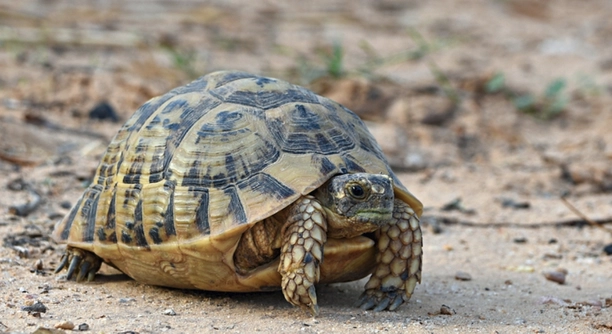
Greek tortoises are slow-moving creatures, but that doesn’t mean they lack energy. Encouraging them to be more active can improve their overall health and well-being. Understanding their natural behaviors is key to boosting their activity levels.
The most effective way to encourage your Greek tortoise to be more active is by providing a larger, stimulating environment. A spacious habitat with hiding spots, obstacles, and safe outdoor exploration areas helps encourage physical activity and mental stimulation.
Creating a dynamic space for your tortoise will promote increased movement and overall vitality. By following these tips, you can ensure your tortoise leads a healthier, more active life.
Create a Spacious and Engaging Habitat
A spacious habitat is crucial for encouraging your Greek tortoise to move more. Tortoises naturally roam and explore, so giving them room to stretch their legs and interact with their surroundings is essential. When setting up their enclosure, focus on making it larger than the typical cage size. A spacious habitat allows your tortoise to roam freely, which helps them stay physically active.
You should also include different surfaces like rocks, logs, or gentle slopes to encourage climbing and movement. Adding plants, both real and fake, will provide extra hiding spots, further promoting exploration and exercise. A natural environment with lots of visual and physical variety keeps your tortoise stimulated and motivated to move.
Additionally, having an outdoor area with a secure fence will let your tortoise safely enjoy the fresh air and sunlight. Tortoises thrive when they can move about in a more natural, larger space, leading to improved activity and health.
Offer Variety in Food and Feeding Techniques
Food should not only be nutritious but also stimulating for your tortoise. A varied diet encourages activity and curiosity. Mix up different types of leafy greens and vegetables to keep feeding time exciting, while also ensuring they have plenty of fiber to help digestion.
Provide a Varied and Enriched Diet
Offering different foods can keep your tortoise engaged and motivated to move. While leafy greens should be the base, adding variety with vegetables like squash, carrots, and bell peppers ensures your tortoise gets essential nutrients while staying interested in mealtime. This variety encourages active foraging.
Incorporating herbs such as dandelion greens or cilantro not only enriches their diet but also provides the opportunity for natural behavior, like searching for food. When your tortoise has to move around to find their meals, it naturally promotes activity. Avoid sticking to just one type of food for too long; instead, rotate and introduce new options regularly.
You could also hide their food in different spots within their habitat. Hiding treats and greens in various corners forces them to walk and search, boosting both their physical and mental stimulation. This feeding technique is simple yet effective for increasing their overall activity levels.
Encourage Outdoor Exploration and Sunbathing
Allowing your Greek tortoise to explore outside in a secure, safe environment provides valuable exposure to natural sunlight. Sunbathing helps regulate their body temperature, promoting better digestion and overall health. Providing these opportunities regularly encourages more movement and exploration.
Create a secure outdoor space by using a fence or a pen to protect your tortoise from potential hazards. A well-designed outdoor area should include grass, small plants, and natural elements that give your tortoise something new to explore. Letting them roam freely during the day can make a significant difference in their energy levels.
Being outside also provides your tortoise with access to a natural light source, which is crucial for their well-being. Exposure to UVB rays is essential for calcium absorption and bone health. It’s not just about increasing activity; it’s about improving their overall health and vitality in a natural setting.
Use Hiding Spots and Shelters to Encourage Movement
Including hiding spots and shelters within their enclosure helps encourage your tortoise to move around more. When there are places to hide and explore, your tortoise will naturally move to find them, increasing their activity levels. These small additions provide stimulation and interest.
Try using small boxes, tunnels, or logs where your tortoise can hide. These areas give them a sense of security and encourage more exploration. A variety of shelters in different spots within their habitat will keep them moving and engaged. The more options you give them, the more active they become.
Keep the Environment Clean and Stimulating
A clean, stimulating environment encourages movement. Tortoises are naturally drawn to areas with interesting textures and smells, so keeping their habitat fresh and varied will help maintain their activity levels. Clean the space regularly and add new elements like fresh plants or toys.
By refreshing their environment, you encourage your tortoise to explore and interact. A clutter-free but diverse habitat keeps them curious, and adding new items helps prevent boredom. Make sure there’s always something for them to discover, whether it’s a new plant or a new texture to walk across. This can be a simple yet effective way to increase activity.
Regularly Rotate Their Enclosure
Rotating items in your tortoise’s enclosure can keep their environment fresh and exciting. By changing the layout occasionally, you provide a new challenge for them, encouraging exploration and movement. New setups keep them engaged and prevent monotony.
FAQ
How much space does my Greek tortoise need to be active?
Greek tortoises need a spacious environment to thrive. Ideally, their habitat should be at least 4×8 feet for one tortoise. The more room they have, the more they’ll move and explore. It’s important to create a setup that allows for free roaming, with various textures, surfaces, and hiding spots to encourage movement. Larger enclosures allow your tortoise to be more physically active and avoid becoming sedentary. If you plan to keep more than one, increase the space accordingly to ensure each tortoise has room to explore.
Can I use a smaller enclosure for my tortoise?
While a smaller enclosure can be used temporarily, it’s not ideal for encouraging activity. A cramped space will limit your tortoise’s ability to move and explore. Over time, this can lead to health problems like obesity or shell deformities. Always aim to provide as much space as possible, and remember that the size of the enclosure directly impacts their physical and mental stimulation. If you can’t provide a large outdoor area, try to maximize the indoor space with shelves, ramps, and other additions to promote movement.
How do I get my tortoise to move more?
Creating a dynamic environment is key. Adding obstacles like rocks, logs, and plants encourages your tortoise to move and explore. You can also hide food in various spots to make them search for it, which naturally promotes activity. Letting them outside in a secure outdoor space is another way to encourage movement. Regularly changing their habitat by rotating furniture or adding new elements helps keep them engaged. A stimulating environment with plenty of safe spaces to explore encourages natural movement.
How can I encourage my tortoise to stay active during winter?
Winter can be a tough time for Greek tortoises as they may enter a state of brumation, similar to hibernation. To keep them active, maintain a stable temperature and lighting in their indoor enclosure. Ensure they have enough space and provide regular access to natural sunlight or UVB lighting. You can also increase their activity by adding new enrichment like tunnels, climbing structures, and varied food options. Make sure to monitor your tortoise’s health during colder months and consult a vet if you notice signs of inactivity or lethargy beyond normal brumation behavior.
Can I let my Greek tortoise roam outside?
Yes, allowing your Greek tortoise to roam outside is an excellent way to encourage activity, as long as you ensure the area is safe and secure. A fenced-in garden or tortoise pen works well. Be sure to protect them from predators, and provide plenty of natural elements like plants, grass, and small rocks to stimulate movement. Make sure the outdoor temperature is suitable for them, as tortoises cannot handle extreme heat or cold. Also, always supervise them when outside to ensure they don’t wander off or get into danger.
Should I provide my tortoise with any toys or accessories?
Tortoises don’t need traditional toys like other pets, but adding interesting accessories to their environment can encourage movement. Small logs, tunnels, and even plant pots can become new places to explore. Providing a few climbing structures like safe, low ramps or rocks can make their space more interactive and encourage them to move. The key is to keep their environment varied and engaging, so they stay curious and active.
How often should I change my tortoise’s environment?
Changing up your tortoise’s environment every few weeks helps keep them stimulated. Rotating items like rocks, logs, or plants will encourage them to move around more, as they’ll be exploring new areas and features. Keep their habitat fresh by introducing new textures and adding food in different places to keep things exciting. If possible, move the enclosures around or rearrange items in their pen to give them a new challenge. A regular change in scenery is a great way to maintain an active lifestyle for your tortoise.
What is the best way to make sure my tortoise gets enough exercise?
The best way to ensure your tortoise gets enough exercise is to provide a large and varied environment. Include climbing surfaces, hiding spots, and outdoor access if possible. Allow them to move around freely, searching for food or exploring new areas. Encouraging natural behaviors like foraging, basking, and burrowing will also help keep them active. Additionally, varying their diet and hiding food in different spots can get them moving more. Regularly changing the layout of their environment can also keep them engaged and encourage physical activity.
How do I know if my tortoise is getting enough activity?
If your tortoise is moving around regularly, foraging, and exploring, they are likely getting enough exercise. Keep an eye on their weight, as sedentary tortoises can become overweight. A healthy tortoise should have a smooth shell and an overall alert, active demeanor. If you notice your tortoise becoming lethargic or spending too much time in one spot, it could indicate they need more stimulation or space. Regular activity will prevent obesity and keep them physically and mentally healthy. If unsure, consult with a vet to assess their activity levels.
Final Thoughts
Encouraging your Greek tortoise to be more active requires a combination of environmental changes, regular stimulation, and a consistent routine. A spacious, well-structured habitat plays a crucial role in supporting your tortoise’s natural behavior. Providing a variety of surfaces, hiding spots, and new obstacles will keep them curious and encourage movement. Rotating the items in their environment or occasionally changing the layout can prevent monotony and promote exploration. These small adjustments can have a big impact on their activity levels and overall health.
Offering opportunities for outdoor time is also important. If it’s safe and feasible, allowing your tortoise to roam in a secure, outdoor space encourages natural movement. Outdoor environments, filled with grass, rocks, and other natural elements, give your tortoise the chance to forage and explore. Be sure to monitor the weather, as extreme temperatures can affect their well-being. In addition, providing a balanced diet that encourages natural foraging behaviors can stimulate movement as they search for food. Always remember to focus on creating a healthy, stimulating environment for your tortoise.
Overall, increasing activity is about consistency. By making slight changes to their habitat, offering opportunities for outdoor exploration, and encouraging natural behaviors, you can help your Greek tortoise stay active and healthy. Regularly assess their environment and make improvements as needed. By being proactive and attentive to their needs, you ensure that your tortoise remains physically and mentally engaged for years to come.

Hello,
If you enjoy the content that we create, please consider saying a "Thank You!" by leaving a tip.
Every little bit helps us continue crafting quality advice that supports the health, happiness, and well-being of pets around the world, for pets of all shapes, sizes, and species.
We really appreciate the kindness and support that you show us!