
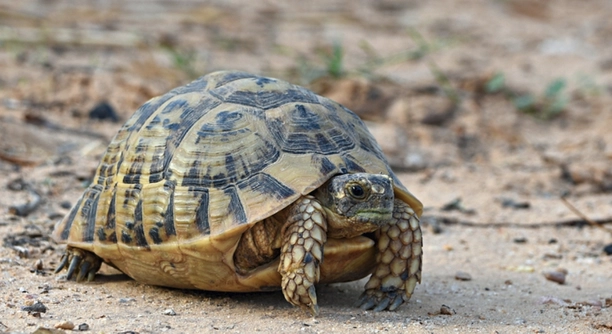
Sometimes, it’s hard to figure out why your Greek tortoise isn’t eating, especially when it’s warm outside. Summer should be a time when they are most active, but if something is off, it can be concerning.
Several factors could cause your Greek tortoise to refuse food during summer. These include stress, temperature changes, or health issues. It’s important to closely monitor their behavior and environment to identify and address the cause.
Understanding these possible causes will help you determine the best course of action. In the following sections, we’ll explore what could be causing this behavior and how to fix it.
Stress and Anxiety
Stress can be a major reason why your tortoise isn’t eating. Greek tortoises are sensitive creatures, and changes in their environment can cause them to become anxious. Things like loud noises, new pets, or sudden changes in their habitat may lead to stress. This can affect their appetite and overall behavior. It’s essential to maintain a calm and familiar space for them. If they feel secure, they are more likely to eat regularly.
Sometimes, too much handling or exposure to unfamiliar environments can stress your tortoise. This can interfere with their natural eating habits. Make sure they have a quiet, comfortable space where they feel safe.
Creating a stable, peaceful environment for your tortoise is vital for their health. They need time to adjust to any changes. Avoid moving their enclosure frequently and keep their surroundings consistent. Stress can affect not just their eating habits but also their overall well-being. If you notice they are stressed, try reducing any disturbances. This can make a big difference in getting them to eat again. If the issue persists, it may be worth consulting a vet to rule out underlying health concerns.
Temperature Fluctuations
Temperature plays a huge role in your tortoise’s appetite. If the enclosure is too hot or too cold, your tortoise may lose interest in food. Greek tortoises thrive in temperatures between 75-85°F during the day, with a warmer basking spot.
If the temperature is outside this range, it can affect their metabolism and make them lethargic. Too much heat can lead to overheating, while cold temperatures can cause them to become inactive. Make sure their habitat is properly regulated and equipped with a heat source if needed.
Proper temperature control ensures your tortoise stays active and has a healthy appetite. A thermometer inside the enclosure can help monitor the environment. Additionally, using a heat lamp can create the warm basking areas they need to digest food. When their habitat is just right, they’re more likely to eat regularly and stay healthy. If adjusting the temperature doesn’t work, consider consulting a reptile vet to make sure there are no underlying health issues affecting their eating habits.
Illness or Injury
If your Greek tortoise is unwell or hurt, it can lose its appetite. Tortoises tend to hide signs of illness, so subtle symptoms might be hard to spot at first. Keep an eye on them for any changes in behavior, such as lethargy, puffiness, or unusual movements.
Common illnesses that can affect their appetite include respiratory infections, parasites, or shell injuries. If your tortoise shows signs of illness, it’s important to take them to a vet who specializes in reptiles. A vet can quickly diagnose the issue and recommend treatment. Don’t delay; prompt attention can prevent further complications.
A tortoise in pain or discomfort won’t be interested in eating. Check their shell regularly for cracks or lesions and monitor their breathing. If they show signs of a respiratory infection, such as wheezing or nasal discharge, take them to a vet immediately. By addressing health concerns early, you help ensure a quicker recovery, allowing them to return to their normal eating habits.
Improper Diet
A diet lacking in variety or essential nutrients can cause your Greek tortoise to stop eating. Greek tortoises need a balanced diet full of leafy greens, weeds, and small amounts of fruits. Too much of one food, especially high-calcium foods, can upset their appetite.
If your tortoise is used to eating the same foods all the time, they might lose interest in eating. Mixing up their diet will encourage them to consume a variety of healthy foods. Offer foods such as dandelion greens, clover, and endive, while avoiding iceberg lettuce, which offers little nutritional value. Introducing different vegetables and offering treats like edible flowers can keep things interesting for them.
A diverse and healthy diet is crucial to maintaining your tortoise’s appetite. Make sure they always have access to fresh food, and remember to provide calcium supplements if needed. A balanced diet supports overall health, making it more likely that your tortoise will eat consistently. Keeping their meals varied helps prevent boredom and ensures they get all the nutrients they need.
Seasonal Changes
During summer, your Greek tortoise might eat less due to seasonal changes. Like many reptiles, they follow natural rhythms and adjust their eating habits based on temperature and light. In warmer months, their metabolism can slow down.
This is a normal behavior, and they may become less active and eat less during hotter weather. Your tortoise might be naturally inclined to conserve energy as the seasons change. As long as your tortoise seems healthy and active otherwise, this is usually not a cause for concern.
Monitor your tortoise’s behavior, and adjust their habitat if needed. If they are still hydrated and seem alert, their decreased appetite might just be a sign of the warmer weather.
Overfeeding
Overfeeding can make your Greek tortoise less interested in food. When tortoises eat too much, they can feel sluggish and may not want to eat again for a while. It’s important to avoid giving them too much food at once.
Your tortoise should be fed a proper portion size that suits their age and size. If they are given too much food, their digestive system could become overwhelmed, leading to loss of appetite. Try offering smaller portions throughout the day instead of one large serving. This helps maintain their hunger and keeps their metabolism running smoothly.
By managing their portion sizes, your tortoise is more likely to stay engaged with their food and keep a healthy appetite. This can also prevent issues like obesity and ensure they get the right amount of nutrients.
Dehydration
Dehydration can lead to your Greek tortoise losing its appetite. If they aren’t getting enough water, they might become sluggish and uninterested in eating. Keeping them hydrated is essential for their overall health.
Make sure your tortoise has access to fresh, clean water at all times. A shallow dish works well for them to drink from or soak in. Regularly mist their environment or provide a shallow water bath to encourage drinking. Dehydration can lead to serious health problems, so monitor their water intake carefully.
Why isn’t my Greek tortoise eating during summer?
During the summer months, your Greek tortoise may eat less due to natural seasonal behavior. Reptiles, including tortoises, often adjust their eating habits with temperature changes. Higher temperatures can slow down their metabolism, and they may need less food as a result. Also, they tend to be less active in the heat, leading to decreased appetite. If your tortoise is still hydrated, active, and behaves normally, this drop in appetite is typically nothing to worry about. However, ensure that their environment is well-regulated and not too hot or cold. If their behavior seems off or they refuse food for extended periods, it’s best to consult a vet.
How can I tell if my tortoise is sick?
Signs of illness in Greek tortoises can be hard to notice, as they are masters at hiding discomfort. However, some symptoms to watch for include lethargy, wheezing, nasal discharge, swollen eyes, or a lack of interest in food. Changes in their stool, such as diarrhea or very dry droppings, can also indicate health issues. If your tortoise shows any of these signs or stops eating for an extended period, it’s time to visit a reptile vet. Early intervention can make a big difference in treatment success.
What is the best diet for a Greek tortoise?
Greek tortoises thrive on a diet of leafy greens, flowers, and grasses. They enjoy a variety of dark leafy vegetables like dandelion greens, clover, kale, and collard greens. Offering them a selection of weeds and plants they would naturally eat in the wild, like plantain or thistle, is also beneficial. You should avoid feeding them high-oxalate vegetables (like spinach), iceberg lettuce, or excessive fruits. Supplement their diet with calcium and vitamin D3 to ensure they’re getting the nutrients they need for strong bones and a healthy shell.
Should I be concerned if my tortoise isn’t eating for a few days?
If your Greek tortoise goes without food for a few days, it’s often not a major issue, especially if they’re showing no other signs of illness. Reptiles sometimes skip meals due to changes in their environment, temperature fluctuations, or seasonal factors. However, if the fasting continues beyond a week, or if your tortoise becomes lethargic, bloated, or shows signs of illness, it’s time to seek veterinary help. Make sure their living environment is stable, and check their hydration levels as well.
Can I force my tortoise to eat?
It’s not recommended to force-feed your tortoise. Force-feeding can cause stress and might lead to injury, especially if done improperly. Instead, focus on making their environment as comfortable and appealing as possible. Provide a variety of food options, including fresh greens, flowers, and herbs. Sometimes, changing the presentation of food, such as offering food on a different surface, can spark their interest. If your tortoise continues to refuse food for several days, it may indicate an underlying health issue that requires professional attention.
How often should I feed my Greek tortoise?
Adult Greek tortoises typically need to be fed every other day or every three days, while younger tortoises may need daily feedings due to their faster metabolism. Always offer food in appropriate portions, taking care not to overfeed them. Make sure their meals are well-balanced, and try not to offer food that’s too high in protein or fat. A regular feeding schedule helps ensure they get the right nutrition and maintain a healthy weight. Keep in mind that their appetite might naturally decrease in warmer months.
What temperature should my Greek tortoise’s enclosure be?
The ideal temperature for a Greek tortoise’s enclosure is between 75-85°F during the day, with a basking area that reaches 90-95°F. At night, the temperature can drop slightly, but it should never go below 65°F. A basking spot is essential for proper digestion, as tortoises rely on heat to help process their food. Use a reliable thermometer to monitor temperatures and ensure they stay within the correct range. Keeping the temperature stable will help maintain your tortoise’s appetite and overall health.
Is my tortoise dehydrated?
Dehydration is a serious issue that can affect your tortoise’s appetite. If they aren’t drinking enough water, they can become sluggish and refuse to eat. Signs of dehydration include sunken eyes, dry or wrinkled skin, and a lack of energy. To prevent dehydration, provide fresh water daily and consider soaking your tortoise in shallow warm water for 10-15 minutes a few times a week. This will help them absorb moisture through their skin. Keep an eye on their hydration levels, as this can directly affect their willingness to eat.
Can stress affect my tortoise’s appetite?
Yes, stress is one of the major reasons a Greek tortoise may stop eating. Stress can come from various sources, including changes in their environment, new pets or animals in the household, loud noises, or frequent handling. Tortoises are creatures of habit, and any disruptions to their daily routine can cause them to feel anxious. If your tortoise isn’t eating, try to identify any sources of stress and minimize them. Create a quiet and stable environment to help your tortoise feel safe and relaxed, which will encourage them to eat again.
Can I give my tortoise fruit?
While fruits are a tasty treat for Greek tortoises, they should only be offered occasionally and in moderation. Fruit is high in sugar, which can upset their digestive system and lead to health problems if fed in excess. A small piece of fruit, like apple or strawberry, can be an enjoyable snack, but it should not be the main component of their diet. Focus on providing a variety of leafy greens and flowers, which are much more suitable for their overall nutrition.
It’s important to remember that your Greek tortoise’s refusal to eat during summer isn’t always a major cause for concern. There are various natural reasons, like temperature fluctuations, seasonal changes, or changes in their environment, that can affect their appetite. Just like humans, tortoises have their own rhythms, and sometimes they eat less when the weather gets warmer. As long as your tortoise is hydrated and seems active, this reduction in food intake is typically just a part of their normal behavior.
However, if your tortoise is showing other signs of illness, such as lethargy, unusual breathing, or swelling, then it’s a good idea to take them to a reptile vet. Illnesses, injuries, or dehydration can sometimes be the reason for a lack of appetite. You should also keep an eye on their diet and make sure they’re getting the right nutrition. A varied diet with the right balance of greens, flowers, and the occasional fruit will help them stay healthy and interested in eating.
By paying attention to your tortoise’s behavior, diet, and environment, you can better understand why they may not be eating. Creating a stable and comfortable habitat for them, keeping their diet varied, and ensuring they have access to fresh water will go a long way in keeping them healthy. If their appetite doesn’t improve, it’s always best to consult a vet to rule out any health issues.

Hello,
If you enjoy the content that we create, please consider saying a "Thank You!" by leaving a tip.
Every little bit helps us continue crafting quality advice that supports the health, happiness, and well-being of pets around the world, for pets of all shapes, sizes, and species.
We really appreciate the kindness and support that you show us!