
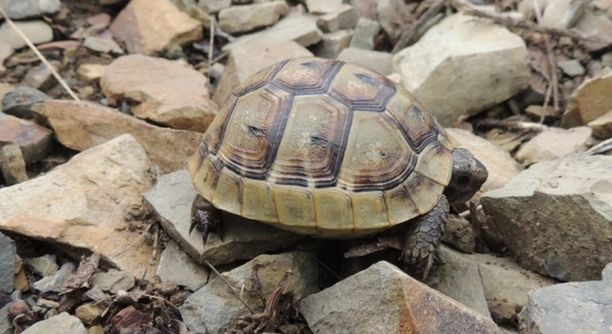
Is your Greek tortoise constantly biting its legs, leaving you concerned about its well-being? This behavior may stem from various factors, including stress, dietary deficiencies, or skin irritations. Identifying the cause is essential for maintaining your tortoise’s health and comfort.
Greek tortoises may bite their legs due to skin irritation, nutritional imbalances, stress, or parasitic infections. Other possible causes include boredom, shedding discomfort, or an underlying medical condition. Observing their behavior and making necessary adjustments can help resolve this issue effectively.
Recognizing the root cause of this behavior is key to providing proper care. Addressing potential triggers will help ensure your tortoise remains comfortable, healthy, and stress-free in its environment.
Common Causes of Leg Biting in Greek Tortoises
Greek tortoises may bite their legs for several reasons, including skin irritation, stress, or nutritional deficiencies. Dry or flaky skin can cause discomfort, leading them to nibble at their limbs. Poor diet, lacking essential vitamins and minerals, may contribute to excessive biting. Stress from improper habitat conditions, such as inadequate space or temperature fluctuations, can also trigger this behavior. Additionally, external parasites or fungal infections may cause persistent itching, prompting them to bite at the affected areas. Identifying the underlying issue is key to preventing further discomfort and ensuring your tortoise remains healthy.
Providing a well-balanced diet, proper humidity, and a clean environment can help reduce excessive leg biting. Ensuring your tortoise has access to fresh water and appropriate UVB lighting supports healthy skin and overall well-being. Monitoring its behavior and making necessary adjustments will improve its comfort and prevent recurring issues.
If the behavior persists despite environmental and dietary improvements, a veterinary examination may be necessary. Some underlying medical conditions, such as metabolic bone disease or neurological disorders, can contribute to excessive biting. A professional assessment can help determine if additional treatment is needed to address the root cause.
How to Prevent and Address the Behavior
Creating a stress-free environment is the first step in preventing excessive leg biting. Ensure your tortoise has a spacious enclosure with proper substrate, temperature, and hiding spots to reduce anxiety and discomfort.
A well-rounded diet rich in calcium, fiber, and essential vitamins will promote healthy skin and prevent nutritional deficiencies that may contribute to excessive biting. Dark leafy greens, hay, and commercial tortoise food can provide necessary nutrients. Proper hydration is equally important, as dry skin can lead to irritation. A shallow water dish and occasional lukewarm soaks can help maintain skin moisture.
Regularly checking for signs of infection, parasites, or injury is essential. If you notice persistent redness, swelling, or open wounds, a veterinarian should assess your tortoise for potential health concerns. Adjusting environmental conditions, maintaining a clean habitat, and providing mental stimulation through varied textures and objects can help prevent stress-related behaviors. Addressing these factors will support your tortoise’s overall well-being and reduce the likelihood of continued leg biting.
Signs That Your Tortoise’s Biting Is a Problem
Occasional leg biting may not be concerning, but frequent or aggressive nibbling can indicate an issue. If you notice redness, swelling, or wounds on your tortoise’s legs, it may be a sign of irritation, infection, or stress-related behavior that requires attention.
Repeated biting, especially when paired with excessive scratching or restlessness, suggests discomfort. Check for flaky skin, unusual shedding, or signs of parasites. If your tortoise suddenly develops this habit, environmental factors like temperature fluctuations, improper humidity, or an unbalanced diet may be contributing to the behavior. Identifying triggers can help prevent further irritation.
If your tortoise’s biting leads to open wounds or persistent discomfort, medical intervention may be necessary. Bacterial infections, fungal conditions, or underlying health problems could be causing the behavior. A veterinarian can conduct a thorough assessment and provide guidance on effective treatments to prevent further complications.
Adjusting Your Tortoise’s Care Routine
Providing a stable environment is essential for preventing stress-related behaviors. Ensure your tortoise’s enclosure maintains proper temperature, humidity, and lighting. A well-ventilated habitat with ample space and hiding spots will help reduce anxiety. Keeping the substrate clean and dry minimizes the risk of infections that may contribute to leg biting.
A varied diet supports overall health and prevents deficiencies that may lead to discomfort. Offer a mix of leafy greens, vegetables, and high-fiber foods to ensure balanced nutrition. Calcium and vitamin supplements may be necessary, especially if your tortoise is not receiving adequate UVB exposure. Hydration is also key—provide fresh water and occasional soaking opportunities.
Monitoring your tortoise’s behavior regularly can help you catch early signs of distress. If you notice persistent biting, make gradual changes to its diet and habitat. Providing enrichment, such as safe climbing structures and different textures, can reduce boredom-related biting. Small adjustments to care routines can make a significant difference in promoting a healthier and more comfortable life.
When to Seek Veterinary Help
If your tortoise’s leg biting causes bleeding, swelling, or visible wounds, a veterinary visit is necessary. Open sores can lead to infections, which may worsen if left untreated. Persistent biting despite environmental improvements may indicate an underlying health issue that requires professional evaluation.
Changes in appetite, lethargy, or unusual shell softness alongside leg biting can signal metabolic disorders or nutritional deficiencies. A veterinarian can assess your tortoise’s condition, run necessary tests, and recommend dietary adjustments or medical treatments to address the root cause effectively. Seeking help early prevents further complications.
Common Mistakes to Avoid
Neglecting proper UVB lighting can lead to vitamin deficiencies, making your tortoise more prone to discomfort and stress-related behaviors. Inadequate humidity and poor hydration can also contribute to dry, irritated skin, increasing the likelihood of excessive biting and other self-destructive habits.
Final Considerations
Observing your tortoise’s behavior and maintaining a proper care routine helps prevent issues like excessive leg biting. Small adjustments in diet, environment, and hydration can significantly improve its well-being and reduce stress-related behaviors.
FAQ
Why does my tortoise bite its legs?
Tortoises may bite their legs due to a variety of reasons. Common causes include skin irritation, dietary deficiencies, boredom, or stress. Dry skin from low humidity or inadequate hydration can trigger biting. Nutritional imbalances, particularly a lack of calcium or vitamins, can also cause discomfort, leading to leg biting. In some cases, parasitic infections or fungal growth may cause itching, prompting the tortoise to bite its legs to relieve the irritation.
How can I tell if my tortoise’s leg biting is a health issue?
If the biting is frequent and leads to visible damage, such as open sores, redness, or swelling, it may indicate a health problem. Excessive biting paired with other symptoms like lethargy, loss of appetite, or soft shell can suggest a more serious condition, such as metabolic bone disease or a parasitic infection. A veterinarian can help diagnose any underlying health issues and recommend appropriate treatment.
How do I stop my tortoise from biting its legs?
First, address environmental factors. Ensure your tortoise’s habitat has the correct temperature, humidity, and lighting. Provide plenty of space and hiding areas to reduce stress. Ensure a balanced diet rich in calcium, fiber, and essential vitamins, and provide fresh water regularly. Offering enrichment, such as safe climbing structures, can help alleviate boredom. If the behavior persists, consider seeking veterinary advice.
Could my tortoise’s behavior be due to stress?
Yes, stress can cause tortoises to engage in abnormal behaviors like leg biting. Stress may result from insufficient space, improper habitat conditions, or changes in the environment. Providing a consistent and quiet environment with appropriate temperature and humidity will help reduce stress. Regular interaction and enrichment activities can also prevent boredom-induced behaviors.
Is it possible for my tortoise to have a skin infection?
Skin infections are a possibility. Fungal infections, bacterial infections, or external parasites like mites can cause your tortoise to itch and bite at its legs. If you notice signs of infection, such as redness, swelling, or a change in the skin’s appearance, it’s important to have your tortoise examined by a veterinarian. Early detection and treatment can prevent the infection from worsening.
Can my tortoise’s diet affect its leg biting behavior?
Yes, diet plays a significant role in your tortoise’s overall health. A lack of calcium, vitamin D3, and other essential nutrients can lead to skin problems and discomfort, which may result in biting. Ensure your tortoise has a varied diet, including leafy greens, high-fiber foods, and appropriate supplements. Vitamin and calcium deficiencies often contribute to abnormal behaviors, so maintaining a well-balanced diet is crucial for preventing leg biting.
How do I improve my tortoise’s diet?
Focus on providing a variety of leafy greens like kale, dandelion greens, and collard greens. High-fiber foods, such as grasses and hay, should be included. Calcium and vitamin D3 supplements are essential, especially if your tortoise doesn’t receive sufficient UVB exposure. Avoid offering too many fruits, as they are high in sugar. A balanced diet will ensure your tortoise’s health and prevent issues that could lead to leg biting.
Can poor humidity cause my tortoise to bite its legs?
Yes, low humidity can cause dry skin, which may lead to irritation and leg biting. Tortoises, especially species like Greek tortoises, require specific humidity levels to maintain healthy skin and overall well-being. Ensure your tortoise’s enclosure has appropriate humidity levels. You can provide a shallow water dish for hydration and occasionally mist the habitat to help maintain moisture.
What should I do if my tortoise’s legs are injured from biting?
If your tortoise injures its legs due to biting, it’s important to clean the area with mild, pet-safe antiseptic and monitor the wound for signs of infection. Keep the enclosure clean and dry to prevent further irritation. If the injury doesn’t heal or shows signs of infection (redness, swelling, discharge), seek veterinary care immediately.
How can I keep my tortoise entertained?
Providing enrichment is essential to prevent boredom and stress-related behaviors like leg biting. Include safe climbing structures, tunnels, and objects for exploration. Rotating toys and introducing new elements in the enclosure can also keep your tortoise engaged. Make sure the habitat is large enough to allow for natural movement and exploration.
How do I tell if my tortoise has parasites?
Signs of parasites may include excessive scratching, lethargy, weight loss, or visible changes in skin or shell condition. If your tortoise exhibits these symptoms, it’s important to have it checked by a veterinarian for potential parasitic infections. Fecal testing may be required to confirm the presence of parasites, and treatment options will be provided based on the diagnosis.
Is it normal for my tortoise to shed skin while biting its legs?
Shedding is a normal process for tortoises, but if it’s paired with leg biting, it could indicate discomfort. During shedding, the skin may become dry and flaky, leading to irritation. Ensure that your tortoise has proper hydration and humidity to make shedding easier and less uncomfortable. If the biting persists after shedding, other issues may need to be addressed.
Can excessive biting lead to permanent damage?
Yes, if left untreated, excessive leg biting can cause permanent damage. Repeated biting can lead to open wounds, infections, and scarring. It’s important to address the behavior promptly to avoid complications. Treating the underlying cause, whether it’s environmental, dietary, or medical, will prevent long-term damage and ensure your tortoise’s well-being.
Final Thoughts
Understanding why your tortoise might be biting its legs is essential for addressing the issue effectively. This behavior can stem from various causes, such as skin irritation, nutritional imbalances, or environmental stress. It’s important to observe your tortoise’s behavior closely and make the necessary adjustments to its habitat and diet. Ensuring the right temperature, humidity, and UVB lighting are key components of a healthy environment that can reduce stress and prevent unnecessary biting. Keeping your tortoise hydrated and providing a balanced diet rich in vitamins and minerals will also support its overall health and well-being.
If the behavior persists despite making environmental changes, it may be time to consult a veterinarian. Sometimes, tortoises bite their legs due to underlying health conditions, such as skin infections, parasites, or metabolic disorders. A vet will be able to perform a thorough examination and recommend the proper treatment. In these cases, early intervention is important to avoid complications that could lead to long-term health issues. Addressing leg biting promptly can prevent infections, injuries, and further stress for your tortoise.
Finally, regular monitoring of your tortoise’s behavior and living conditions will help maintain its well-being. Tortoises need consistent care, and making adjustments as needed will promote a comfortable and healthy life. While leg biting can be troubling, it’s often a manageable issue once the root cause is identified and treated. By being proactive and attentive to your tortoise’s needs, you can ensure that it thrives in its environment, free from stress or discomfort.

Hello,
If you enjoy the content that we create, please consider saying a "Thank You!" by leaving a tip.
Every little bit helps us continue crafting quality advice that supports the health, happiness, and well-being of pets around the world, for pets of all shapes, sizes, and species.
We really appreciate the kindness and support that you show us!