
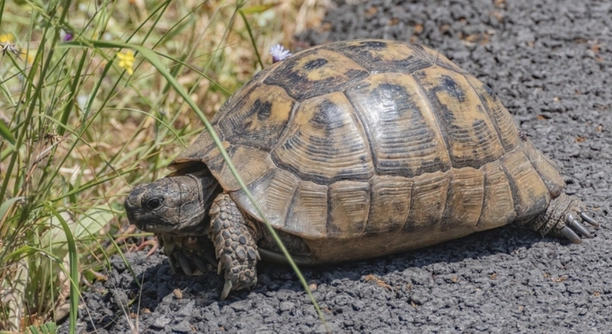
Greek tortoises are known for their curious nature, often exploring their surroundings in interesting ways. One of the behaviors you may observe is their tendency to climb objects. This behavior can be puzzling, but there are clear reasons for it.
Climbing is a natural behavior for Greek tortoises, often driven by their need for exercise, exploration, and environmental enrichment. They may climb objects to search for food, explore new territories, or simply satisfy their instinctive curiosity.
Understanding these behaviors is important for maintaining a healthy and stimulating environment for your tortoise. It can help you better cater to their needs and ensure they thrive.
Natural Instinct to Explore
Greek tortoises are naturally curious creatures. In the wild, they move around to find food, water, and shelter. This instinct doesn’t fade when they’re kept as pets. They explore their environment to find new spaces and enjoy their surroundings. Climbing objects is often just part of their daily routine. This behavior is closely tied to their need for stimulation and exercise. When a tortoise climbs, it may also be trying to get a better view of its environment, searching for food or even trying to access something it believes is interesting.
While climbing is normal, it’s important to provide your tortoise with enough space and opportunities for exploration. If your tortoise is climbing excessively, it may be a sign that their habitat lacks enrichment. A stimulating environment can prevent boredom and promote overall well-being. Adding different types of surfaces, rocks, or branches will encourage climbing but also provide a safe way to do so.
Sometimes, excessive climbing might indicate stress. If your tortoise has limited space or isn’t getting enough stimulation, it may resort to climbing objects repeatedly. This behavior can be distressing, so ensuring your tortoise has a comfortable environment is crucial for their health.
The Role of Temperature
Tortoises are highly sensitive to temperature. If the temperature in their habitat is too hot or too cold, they may become restless. Climbing objects could be an attempt to adjust their environment to feel more comfortable.
Creating a temperature gradient within the enclosure allows your tortoise to regulate its body temperature. You should provide both a basking area and a cooler area. If your tortoise is climbing in search of a more comfortable spot, adjusting the temperature or providing more hiding spaces can help. Make sure that the temperature stays within the recommended range to avoid unnecessary stress. A well-maintained habitat can reduce climbing behavior caused by temperature discomfort.
Environmental Enrichment
Providing an enriched environment is essential for your tortoise’s well-being. A lack of stimulation can lead to behaviors like excessive climbing. Tortoises need different surfaces to explore, hide, and climb.
Adding varied textures, rocks, or logs can encourage natural behaviors like climbing. It also prevents your tortoise from becoming bored or stressed. Make sure to regularly change up the environment to keep it interesting. Consider placing some edible plants on higher surfaces to engage your tortoise’s curiosity. This way, climbing becomes a rewarding experience rather than a sign of discomfort.
An environment that mimics the tortoise’s natural habitat promotes healthy behavior. It helps with exercise, mental stimulation, and prevents harmful stress. You may notice a reduction in climbing if your tortoise feels content and has plenty to explore. Avoid overcrowding the enclosure, as this can limit space for your tortoise to move around and climb freely.
Safety Concerns
Climbing objects can sometimes put your tortoise at risk of injury. If there are unstable surfaces or sharp edges, your tortoise might hurt itself.
It’s important to ensure that any climbing structures are safe and sturdy. Avoid items that could topple over or are too slippery. Additionally, monitor how your tortoise interacts with the items to ensure it’s not struggling to climb or becoming frustrated. The goal is to offer opportunities for natural behavior, but in a way that doesn’t endanger your pet’s health.
Choosing the right materials and checking the stability of climbing objects regularly can prevent accidents. By maintaining a safe and secure environment, you allow your tortoise to explore freely without the risk of injury.
Health Issues
Sometimes, climbing could be linked to health issues. If your tortoise is feeling unwell or in pain, it may try to climb as a way to self-soothe.
If climbing seems excessive or unusual, it’s important to monitor for signs of illness. Check for changes in eating habits, lethargy, or unusual behavior. A visit to the vet can help rule out health concerns.
Social Behavior
Greek tortoises are often solitary animals, but they may exhibit climbing behavior due to social instincts. They could be trying to establish their territory or interact with another tortoise.
If you have multiple tortoises, observe their interactions closely. Sometimes, climbing may be an attempt to assert dominance or interact with other animals.
FAQ
Why is my Greek tortoise climbing all the time?
Climbing is a natural behavior for Greek tortoises. They may climb to explore, find food, or search for a comfortable resting spot. It’s often driven by curiosity and their instinct to keep moving and exploring their environment. If you notice excessive climbing, it might indicate a lack of stimulation or environmental enrichment.
Is climbing dangerous for my tortoise?
Climbing can be dangerous if the objects in your tortoise’s habitat are unstable or sharp. A fall or injury could occur if they climb onto objects that aren’t secured or that have hazardous edges. Ensure the climbing surfaces are stable and safe. You can also create low, accessible climbing options to reduce the risk of injury.
How can I prevent my tortoise from climbing too much?
To reduce excessive climbing, you should focus on creating a well-rounded and stimulating environment. Include different textures, natural hiding spots, and opportunities for your tortoise to explore. Providing proper temperature and humidity levels in the habitat can also prevent your tortoise from becoming stressed or restless, which may lead to climbing.
Should I provide climbing structures for my tortoise?
Yes, providing climbing structures is a good idea, as long as they are stable and safe. Tortoises benefit from having things to climb, such as rocks, logs, or ramps. These structures allow them to engage in natural behaviors and prevent boredom. Just make sure they are low enough to avoid falls and injuries.
Can climbing be a sign of stress in my tortoise?
Climbing can sometimes be a sign of stress, especially if your tortoise is constantly trying to escape or seems restless. If climbing is paired with other signs of stress, such as lack of appetite, lethargy, or defensive behavior, you should evaluate the habitat for potential stressors like temperature, lighting, or overcrowding.
Does my tortoise need more space if it’s climbing a lot?
It’s possible. Climbing could indicate that your tortoise feels cramped or that its environment lacks enough stimulation. A larger habitat with more room to roam, climb, and explore can help. Make sure the enclosure is spacious enough for your tortoise to move around comfortably and that it includes varied textures and hiding spots.
Why is my tortoise climbing objects instead of walking?
If your tortoise is climbing objects instead of walking, it could be exploring its environment or looking for food. It may also climb to get a better view or escape a certain part of its enclosure. If this behavior becomes excessive, check for environmental factors like inadequate space or boredom.
How do I know if my tortoise is climbing because it’s bored?
Boredom-induced climbing happens when there’s not enough mental or physical stimulation in the tortoise’s environment. If your tortoise climbs repeatedly without resting or seems overly energetic, it may be a sign of boredom. Providing enrichment, like hiding food or new textures, can help reduce this behavior.
Can climbing be a sign that my tortoise is sick?
While climbing is often a natural behavior, excessive or unusual climbing could sometimes indicate a health issue. If your tortoise is climbing excessively or in a frantic manner, it’s important to observe other symptoms, such as changes in appetite or behavior. Consult with a vet if you suspect any health problems.
Is it normal for my tortoise to climb during the night?
Yes, tortoises are crepuscular, meaning they are most active during dawn and dusk. Climbing at night may just be part of their natural behavior. However, if the climbing is frequent and excessive, it’s worth checking the temperature and environmental conditions to ensure your tortoise is comfortable.
How can I tell if my tortoise’s climbing behavior is natural or problematic?
Natural climbing is usually occasional and connected to exploring or seeking food. If your tortoise climbs excessively, with no breaks or signs of fatigue, it could be a sign that it’s feeling stressed or bored. Pay attention to the overall behavior and environment. Signs of distress, such as changes in eating habits, lethargy, or defensive posturing, may indicate an issue.
Are there any specific things I should avoid in my tortoise’s enclosure?
Avoid sharp objects, unstable surfaces, or items that can easily tip over in the enclosure. These could pose risks to your tortoise if it climbs them. Also, try not to overcrowd the enclosure with too many objects that might limit space for movement. Your tortoise needs room to explore safely.
How much exercise does my Greek tortoise need?
Greek tortoises need regular exercise to stay healthy. They often get this exercise through natural behaviors, such as walking, climbing, and exploring. Ensuring that their environment provides ample space to move around and climb will help them meet their exercise needs. Regular exercise supports muscle development and overall well-being.
Does climbing affect my tortoise’s diet?
Climbing doesn’t directly affect your tortoise’s diet, but it may indicate that they’re looking for food. Tortoises often climb in search of food or to access different areas where food might be placed. Ensure that you offer a balanced diet in easily accessible areas to avoid encouraging excessive climbing out of hunger.
Can I stop my tortoise from climbing altogether?
It’s not realistic to completely stop your tortoise from climbing, as it’s a natural behavior. However, you can control the amount of climbing by providing a safe, stimulating, and comfortable environment. Ensure they have enough space, variety, and enrichment to satisfy their need to explore.
Final Thoughts
Climbing is a common and natural behavior for Greek tortoises. It’s a part of their instinct to explore and interact with their environment. While climbing can sometimes appear excessive or unusual, it is usually harmless if your tortoise’s enclosure is safe and well-maintained. Most tortoises will climb to search for food, a more comfortable resting place, or to explore their surroundings. This behavior can be encouraged by an environment that lacks enrichment or space, making climbing a way for your tortoise to engage with its habitat.
However, it’s important to be mindful of the potential risks. While climbing can be a fun activity, it can also lead to falls or injuries if the climbing surfaces are unstable or sharp. To prevent accidents, ensure that any objects your tortoise climbs are safe, and that the habitat is large enough to allow for free movement without causing undue stress or risk of harm. Providing a variety of climbing structures like logs, rocks, or ramps can give your tortoise options to explore while minimizing danger. Additionally, maintaining the proper temperature, humidity, and lighting can help keep your tortoise comfortable, reducing unnecessary climbing driven by environmental discomfort.
In conclusion, while climbing is generally a healthy part of a Greek tortoise’s behavior, it’s important to observe it closely. Regularly assess their habitat to ensure it is stimulating enough to keep them engaged without leading to stress or injury. If climbing becomes excessive or is accompanied by signs of illness or discomfort, it may be time to reassess the environment or consult with a veterinarian. With proper care, your tortoise’s climbing instincts can be satisfied safely, contributing to its overall health and well-being.

Hello,
If you enjoy the content that we create, please consider saying a "Thank You!" by leaving a tip.
Every little bit helps us continue crafting quality advice that supports the health, happiness, and well-being of pets around the world, for pets of all shapes, sizes, and species.
We really appreciate the kindness and support that you show us!