
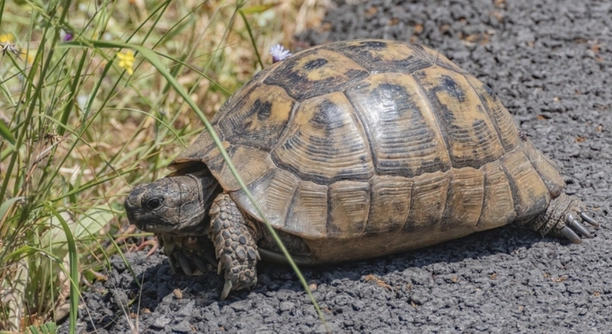
Is your Greek tortoise’s shell becoming rougher, leaving you concerned about its health? Changes in texture can indicate underlying issues, ranging from dietary imbalances to environmental factors. Understanding the causes can help you provide the best care for your tortoise.
A Greek tortoise’s shell may become rough due to improper humidity, poor diet, lack of UVB exposure, dehydration, or metabolic bone disease. Additionally, natural aging and minor shell wear can contribute to texture changes, but these should not cause excessive roughness.
Recognizing these factors will help you determine whether your tortoise’s shell roughness is normal or requires attention. By identifying the cause, you can take steps to support your pet’s health and maintain a smooth, well-conditioned shell.
Inadequate Humidity Levels
Greek tortoises need proper humidity to maintain a healthy shell. Low humidity can cause excessive dryness, leading to rough patches and potential flaking. Without enough moisture, their scutes may not shed properly, creating uneven textures that make the shell appear rough. Maintaining optimal humidity ensures their shell stays smooth and well-conditioned.
A humidity level between 40% and 60% is ideal for Greek tortoises. If levels drop too low, their shell may start drying out. Using a hygrometer can help monitor humidity, and misting the enclosure or adding a humid hide can provide the necessary moisture.
If your tortoise’s environment is too dry, increase humidity by lightly misting the substrate or incorporating damp sphagnum moss into their hide. Providing a shallow water dish also helps maintain moisture. Keeping the enclosure at a proper humidity level will prevent roughness and support overall shell health.
Poor Diet and Nutrition
A lack of proper nutrients can contribute to shell roughness. Greek tortoises require a diet rich in calcium, fiber, and essential vitamins to support shell growth. Without these nutrients, the shell may develop an uneven texture, becoming dry and brittle over time.
A well-balanced diet should include a variety of leafy greens, such as dandelion greens, collard greens, and mustard greens. Occasional treats like hibiscus flowers and small amounts of vegetables can add variety. Calcium supplementation is also important, especially if your tortoise does not get enough from its diet. A cuttlebone or calcium powder can help maintain proper shell strength.
Avoid feeding excessive fruits, high-protein foods, or processed items, as these can lead to metabolic issues affecting shell condition. Providing a diet that mimics what Greek tortoises eat in their natural habitat ensures their shell remains smooth and healthy.
Lack of UVB Exposure
Greek tortoises need UVB lighting to process calcium and maintain a strong shell. Without it, they can develop metabolic bone disease, leading to roughness, deformities, and overall weakness. A proper UVB source helps support healthy shell growth and prevents textural issues.
Ensure your tortoise receives at least 10 to 12 hours of UVB exposure daily. A high-quality UVB bulb, such as a T5 or T8 fluorescent tube, should cover most of the enclosure. Replace bulbs every six months, even if they appear functional, as UV output decreases over time. Natural sunlight is the best source of UVB, so outdoor time on warm days is beneficial.
Without enough UVB, the shell can become rough and weak. Signs of deficiency include soft or uneven shell growth. A well-positioned UVB lamp, combined with a calcium-rich diet, helps prevent these issues and promotes proper shell maintenance.
Dehydration
Greek tortoises require proper hydration to prevent shell roughness. Dehydration can lead to dry, flaky scutes and poor overall shell health. If a tortoise does not drink enough water or absorb moisture through soaking, its shell may lose its smooth texture, becoming rough and brittle over time.
Providing a shallow water dish in the enclosure encourages drinking. Weekly warm water soaks for about 15 to 20 minutes help keep the tortoise hydrated and promote healthy shell maintenance. Mist the enclosure occasionally, especially in drier environments, to prevent excessive moisture loss.
If dehydration persists, the shell may develop cracks or become overly dry. Ensuring access to clean water and regular soaking prevents these issues. A well-hydrated tortoise maintains smoother shell growth and better overall health.
Natural Aging and Shell Wear
As Greek tortoises age, their shells naturally develop slight roughness. Over time, normal activities like walking on rough surfaces or burrowing can wear down the scutes, creating a more textured appearance. This is a natural process and does not indicate a health problem.
Minor shell roughness from aging does not require intervention. However, ensuring a proper diet, hydration, and UVB exposure helps maintain overall shell strength. Regular shell inspections can help detect any abnormalities that may indicate underlying health concerns rather than normal wear.
Metabolic Bone Disease
Metabolic bone disease (MBD) weakens a tortoise’s shell, causing roughness, deformities, and brittle scutes. It develops from calcium deficiency, inadequate UVB exposure, or an improper calcium-to-phosphorus ratio in the diet. Tortoises with MBD may also show signs of lethargy, soft shells, or difficulty walking due to weakened bones.
Minor Injuries and Scute Damage
Scratches, bites, or accidental falls can cause rough patches on a tortoise’s shell. These minor injuries often heal naturally but may leave slight texture changes. Providing a safe enclosure with soft substrate and avoiding sharp objects helps prevent unnecessary shell damage.
FAQ
Why is my Greek tortoise’s shell rough?
A rough shell can result from several factors, including inadequate humidity, poor diet, dehydration, lack of UVB exposure, and aging. If the tortoise’s shell seems excessively dry, cracked, or uneven, it may also indicate an underlying health issue such as metabolic bone disease (MBD). Proper care and a suitable environment can help maintain a smooth shell.
How can I improve my tortoise’s shell condition?
Improving shell condition starts with ensuring your tortoise has access to the proper humidity, a calcium-rich diet, and adequate UVB lighting. Regular soaking to maintain hydration is also essential. If you notice rough patches, consult a veterinarian to rule out any underlying health concerns, like MBD.
How often should I soak my Greek tortoise?
Soaking should be done once a week for about 15 to 20 minutes. This helps maintain hydration, supports digestion, and promotes a healthy shell. In drier climates, more frequent soaking may be necessary. Always ensure the water is warm, not hot, to avoid stress or discomfort for the tortoise.
What type of UVB lighting is best for my Greek tortoise?
The best UVB lighting for a Greek tortoise is a high-quality fluorescent UVB bulb, such as a T5 or T8. These bulbs should cover most of the tortoise’s enclosure and be replaced every six months, even if they appear to still work. Natural sunlight is the best source, but UVB bulbs provide a suitable alternative when natural exposure is limited.
Can a lack of calcium affect my tortoise’s shell?
Yes, a calcium deficiency can cause severe shell issues, including roughness, deformities, and weakness. It is essential to provide a diet rich in calcium, especially for growing tortoises. Supplementing their food with calcium powder or offering a cuttlebone for them to nibble on helps ensure they get enough calcium to support shell growth.
What should I feed my Greek tortoise to keep its shell healthy?
A healthy diet for a Greek tortoise consists of a variety of leafy greens such as dandelion greens, collard greens, and mustard greens. You can also include small amounts of flowers, like hibiscus, and occasional vegetables. Avoid high-protein foods and fruits, as these can disrupt their natural calcium balance.
What signs indicate that my tortoise may have metabolic bone disease?
Signs of metabolic bone disease include soft or uneven shell growth, a rough or brittle shell, lethargy, and difficulty walking. If your tortoise shows any of these symptoms, it’s crucial to provide proper calcium supplementation, ensure UVB exposure, and consult a veterinarian for further diagnosis and treatment.
Is it normal for a Greek tortoise’s shell to become rough with age?
Yes, it is natural for a tortoise’s shell to develop some roughness as it ages. As they walk, burrow, and interact with their environment, the scutes on their shell may wear down slightly, leading to rough patches. This is a normal part of the aging process and doesn’t necessarily indicate a health problem.
How can I make sure my tortoise has the proper humidity?
To ensure proper humidity for your Greek tortoise, aim for levels between 40% and 60%. You can achieve this by misting the enclosure occasionally, adding a humid hide, or using a hygrometer to monitor the humidity. In drier environments, increasing humidity will help prevent shell issues related to dryness.
Can dehydration cause my tortoise’s shell to become rough?
Yes, dehydration can lead to roughness in a tortoise’s shell. When a tortoise doesn’t drink enough water, its scutes may become dry, brittle, or cracked. To prevent dehydration, make sure your tortoise has access to clean water at all times and provide regular soaking to promote hydration.
Is it okay for my tortoise to have outdoor time?
Yes, outdoor time can be beneficial for your tortoise, as long as the weather is warm enough. Natural sunlight provides the best source of UVB, which helps with calcium processing and shell health. Always supervise your tortoise outdoors and ensure the area is safe from predators.
What can I do if my tortoise’s shell is cracked?
If your tortoise’s shell is cracked, it’s important to take immediate action. Clean the area gently to prevent infection and apply a non-toxic antiseptic if needed. If the crack is deep or causing discomfort, consult a veterinarian for treatment and advice on how to support the healing process.
How do I know if my tortoise’s shell is shedding properly?
During shedding, the scutes on your tortoise’s shell will start to peel off, revealing new, smooth layers underneath. Shedding typically occurs every few months, but it can vary depending on age and environmental conditions. If the shedding seems uneven or if scutes are stuck, you may need to assist by soaking your tortoise.
What is the best way to clean my tortoise’s shell?
To clean your tortoise’s shell, use a soft toothbrush and lukewarm water. Gently scrub the shell to remove dirt and debris, being careful not to scratch or damage the scutes. Never use harsh chemicals or soaps, as these can harm the tortoise. Clean the shell as needed but avoid overdoing it.
Can I use a heat lamp for my tortoise instead of UVB lighting?
Heat lamps are essential for providing warmth but do not provide the UVB necessary for shell health. UVB light is crucial for proper calcium absorption and to prevent metabolic bone disease. You need both a heat source and a UVB light source to provide the proper conditions for your tortoise.
How can I tell if my tortoise’s rough shell is a sign of a health problem?
If your tortoise’s shell becomes excessively rough, cracked, or soft, it may indicate a health problem. Metabolic bone disease, dehydration, or malnutrition can cause these issues. If you notice other symptoms such as lethargy, difficulty walking, or changes in behavior, consult a veterinarian to rule out any underlying conditions.
Can rough patches on my tortoise’s shell heal on their own?
Minor rough patches may improve on their own with proper care, such as maintaining hydration, humidity, and a balanced diet. However, if the roughness persists or worsens, it could be a sign of an underlying issue that requires attention. Regular check-ups with a vet can help ensure that your tortoise’s shell remains healthy.
Final Thoughts
Taking care of a Greek tortoise requires attention to detail, especially when it comes to maintaining a healthy shell. A rough or damaged shell is often an indicator of environmental or dietary issues that need to be addressed. By ensuring proper humidity levels, providing a balanced diet, and offering adequate UVB light, you can significantly improve your tortoise’s shell condition. Regular soaking also helps maintain hydration and supports healthy shell growth.
Shell problems like roughness or cracks can also result from serious health conditions, so it’s important to monitor your tortoise’s behavior and shell closely. If you notice symptoms such as soft or brittle scutes, lethargy, or difficulty moving, it’s crucial to seek veterinary care. Early intervention can help address issues like metabolic bone disease or dehydration before they worsen. While some minor shell roughness can be normal with age or activity, ongoing or severe problems need professional evaluation.
In the end, understanding your tortoise’s needs and providing the proper care will ensure its long-term health and well-being. Keeping the right balance of environmental factors, diet, and regular maintenance will lead to a healthier, happier tortoise with a strong, smooth shell. If you ever have concerns or if things don’t improve, remember that seeking advice from a vet with experience in reptiles is always a good step. Proper care not only keeps the shell in good condition but also ensures that your tortoise lives a long, healthy life.

Hello,
If you enjoy the content that we create, please consider saying a "Thank You!" by leaving a tip.
Every little bit helps us continue crafting quality advice that supports the health, happiness, and well-being of pets around the world, for pets of all shapes, sizes, and species.
We really appreciate the kindness and support that you show us!