
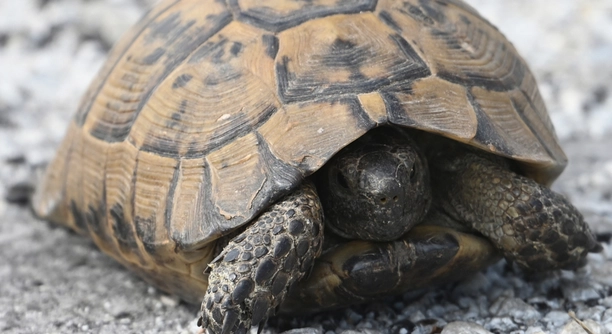
Is your Greek tortoise experiencing dry, flaky skin? Skin flaking is a common issue among tortoise owners and can be caused by several factors. Understanding the reasons behind this condition can help you provide the best care for your pet.
The most common causes of skin flaking in Greek tortoises include inadequate humidity levels, poor diet, dehydration, excessive shedding, fungal infections, parasitic infestations, and improper substrate. Addressing these factors ensures your tortoise maintains healthy skin and avoids discomfort or potential health complications.
Proper care and attention to these factors can help prevent skin issues in your Greek tortoise. Learning about these causes will help you make informed decisions to support your pet’s overall well-being.
Inadequate Humidity Levels
Greek tortoises need a specific humidity level to maintain healthy skin. If their environment is too dry, their skin may become flaky and irritated. A lack of moisture can also lead to dehydration, making the issue worse. Ensuring proper humidity in their enclosure is essential for preventing skin problems. Regular misting and using a hygrometer to monitor humidity levels can help maintain the right balance. A humidity level between 40% and 60% is generally recommended for Greek tortoises. Providing a moist hide can also help your tortoise retain moisture and prevent excessive dryness.
A dry environment can cause more than just skin flaking. It can lead to dehydration, respiratory problems, and poor shell health. Addressing humidity issues early can prevent these complications and keep your tortoise comfortable.
If your home has low humidity, consider using a humidifier near the enclosure. Adjusting substrate moisture and misting regularly can also help.
Poor Diet
A lack of essential nutrients can contribute to skin flaking in Greek tortoises. Without proper vitamins and minerals, their skin may dry out and shed excessively. Ensuring a well-balanced diet is key to maintaining healthy skin and overall well-being.
Greek tortoises need a diet rich in fiber, calcium, and vitamins to support skin health. Leafy greens like dandelion greens, collard greens, and mustard greens provide important nutrients. Calcium is especially important, as it supports both skin and shell health. A lack of calcium can lead to weak skin structure and increased flaking. Providing a cuttlebone or calcium supplement can help meet these needs.
Overfeeding fruits and protein can also cause imbalances in a tortoise’s diet. Fruits should be given in moderation, as excess sugar can lead to digestive and skin issues. A well-balanced diet with proper hydration is essential to keeping your tortoise’s skin in good condition.
Dehydration
A lack of water can cause a Greek tortoise’s skin to become dry and flaky. Without enough hydration, their body struggles to maintain proper moisture levels, leading to excessive shedding. Ensuring consistent access to clean, fresh water is essential for preventing dehydration-related skin problems.
Tortoises absorb moisture through drinking and soaking. If your tortoise isn’t drinking enough, try offering shallow water dishes or misting their food. Regular soaks in lukewarm water can also help with hydration, especially in drier environments. Dehydration can also affect their shell, making it more prone to cracking or softening. Monitoring their hydration levels and adjusting their care routine can help keep their skin and shell in good condition.
Signs of dehydration include sunken eyes, reduced appetite, and thickened saliva. If you notice these symptoms, increase water availability and encourage soaking. A diet rich in hydrating greens, like lettuce and cucumbers, can also support hydration.
Excessive Shedding
Greek tortoises naturally shed skin, but excessive shedding may indicate an underlying issue. Poor humidity, dehydration, or nutritional deficiencies can all contribute to abnormal shedding. If the skin appears thick, dry, or cracked, adjustments to their habitat and diet may be necessary to restore balance.
Healthy shedding should be gradual and even. If your tortoise is losing large patches of skin or has rough, peeling areas, it could be a sign of an imbalance. Overhandling or rubbing against rough surfaces can also cause irritation and lead to excessive skin loss. Checking their enclosure for sharp objects and providing smooth surfaces can help prevent unnecessary skin damage.
Soaking your tortoise in lukewarm water can promote healthy shedding by softening dry skin. Increasing humidity, adjusting their diet, and ensuring proper hydration will also help manage shedding issues. Addressing these factors early can prevent further skin complications.
Fungal Infections
Fungal infections can cause flaky, irritated skin in Greek tortoises. These infections often develop in damp or unclean enclosures, leading to white patches, rough texture, and discomfort. Regular cleaning, proper ventilation, and maintaining a balanced humidity level help prevent fungal growth and keep your tortoise’s skin healthy.
If you suspect a fungal infection, isolate your tortoise and clean the affected areas with a reptile-safe antifungal treatment. Ensure their enclosure is dry and clean, as moisture buildup can worsen the condition. Providing proper hygiene and care can prevent infections from spreading or recurring.
Parasitic Infestations
External parasites, such as mites, can cause skin irritation and flaking in Greek tortoises. These tiny pests often hide in skin folds and around the eyes, leading to persistent discomfort. A close inspection of your tortoise’s skin can help identify any unusual movement or dark specks.
Improper Substrate
The wrong substrate can lead to skin irritation and flaking. Rough, dusty, or overly dry bedding may cause discomfort, making shedding more difficult. Soft, moisture-retaining substrates like coconut coir or cypress mulch help maintain skin hydration and reduce irritation. Adjusting the substrate can significantly improve skin health.
FAQ
Why is my Greek tortoise’s skin peeling in large patches?
Peeling in large patches is often a sign of improper humidity, dehydration, or excessive shedding. Greek tortoises naturally shed skin over time, but if the shedding appears uneven or excessive, environmental adjustments may be needed. Ensuring proper humidity levels, regular soaking, and a balanced diet can help maintain healthy skin. If the skin looks raw or irritated, consult a reptile veterinarian to rule out infections or underlying health issues.
How can I tell if my tortoise is dehydrated?
Signs of dehydration include sunken eyes, thick saliva, reduced appetite, and excessive skin flaking. A dehydrated tortoise may also become lethargic or have a dry, wrinkled appearance. Providing fresh drinking water and regular warm soaks can help keep hydration levels balanced. If dehydration persists, increasing the humidity in their enclosure and offering moisture-rich foods like cucumbers and leafy greens can further support hydration.
Can diet affect my tortoise’s skin health?
Yes, diet plays a major role in maintaining healthy skin. A lack of essential nutrients, such as vitamin A and calcium, can lead to dry, flaky skin. Feeding a variety of leafy greens, vegetables, and calcium supplements helps support overall skin and shell health. Avoid feeding excessive fruit or high-protein foods, as these can cause imbalances that affect skin condition. Ensuring a well-rounded diet improves shedding and prevents skin problems.
What humidity level is best for Greek tortoises?
Greek tortoises thrive in a humidity range of 40% to 60%. If humidity is too low, their skin can dry out, leading to flaking and poor shedding. If it’s too high, fungal infections may develop. Using a hygrometer to monitor humidity and providing a proper substrate, such as coconut coir or cypress mulch, helps maintain ideal levels. Occasional misting and a humid hide can also prevent excessive dryness.
Do Greek tortoises need to soak in water?
Yes, regular soaks help with hydration and shedding. A shallow soak in lukewarm water for 15 to 20 minutes, two to three times a week, is beneficial. This helps keep their skin and shell hydrated while preventing excessive dryness. If your tortoise is shedding unevenly, more frequent soaks may assist in loosening dry skin. Ensure they can easily climb in and out of the soaking dish to prevent stress.
Can parasites cause skin flaking?
External parasites, like mites, can cause irritation and flaking. These pests often hide in skin folds, around the eyes, or under the shell. If you notice tiny dark specks moving on their skin or signs of persistent scratching, mites may be present. Cleaning the enclosure thoroughly and using a reptile-safe treatment can help eliminate parasites. Regularly inspecting your tortoise for unusual skin changes helps catch infestations early.
Is excessive basking a cause of flaky skin?
Yes, overbasking can lead to dehydration and flaky skin. If your tortoise spends too much time under the heat lamp, their skin may dry out. Ensuring a proper temperature gradient in the enclosure allows them to regulate their body temperature without overheating. A basking spot of 90–95°F and cooler areas around 75–85°F provide the balance they need. Providing a shaded area helps prevent overexposure.
Should I use lotion or oil on my tortoise’s skin?
No, using lotions or oils is not recommended. Tortoises have specialized skin that naturally regulates moisture. Applying products meant for human skin can trap bacteria and cause further irritation. Instead, focus on proper hydration, humidity control, and regular soaks to maintain skin health. If persistent dryness continues, adjusting their diet and habitat conditions is the best approach.
When should I see a vet about my tortoise’s skin?
If your tortoise’s skin appears red, swollen, or has open wounds, a vet visit is necessary. Persistent flaking, excessive peeling, or unusual discoloration could indicate infections or underlying health issues. A reptile veterinarian can assess their condition and provide appropriate treatment. Early intervention prevents minor skin problems from becoming more serious.
Final Thoughts
Keeping a Greek tortoise healthy requires attention to its diet, hydration, and environment. Proper humidity levels, regular soaks, and a balanced diet help maintain strong skin and prevent excessive shedding. Small adjustments, like improving enclosure conditions or adding moisture-rich foods, can make a big difference. Monitoring their behavior and skin condition ensures early detection of any issues. A healthy tortoise will have smooth, well-hydrated skin and shed naturally without complications.
Environmental factors play a major role in preventing skin problems. Ensuring the enclosure has a proper temperature gradient, adequate humidity, and a clean substrate helps maintain overall health. Overbasking, dry conditions, or poor nutrition can contribute to flaky skin, while excessive moisture can lead to infections. Routine maintenance, including cleaning the habitat and checking for parasites, helps prevent issues before they start. Making small, consistent improvements to their care supports long-term well-being.
Observing changes in skin texture or shedding patterns is essential. If a tortoise shows signs of irritation, persistent flaking, or abnormal patches, further evaluation is needed. Adjustments in care usually resolve minor concerns, but severe cases may require veterinary attention. A proactive approach ensures a comfortable and thriving tortoise. With proper care, they can live a long, healthy life with minimal skin issues.

Hello,
If you enjoy the content that we create, please consider saying a "Thank You!" by leaving a tip.
Every little bit helps us continue crafting quality advice that supports the health, happiness, and well-being of pets around the world, for pets of all shapes, sizes, and species.
We really appreciate the kindness and support that you show us!