
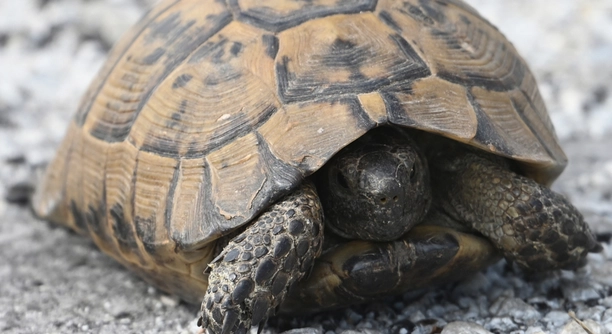
Greek tortoises are wonderful pets, but as they age, they can face various shell problems. Understanding these issues can help you care for them properly and ensure their well-being.
Aging Greek tortoises are prone to a few shell problems due to natural wear and environmental factors. These issues include shell deformities, cracking, pyramiding, infections, and shedding complications, all of which can affect their health if not addressed.
Recognizing these problems early on can help you make the right decisions in keeping your tortoise happy and healthy. Understanding how to monitor and treat these conditions will benefit your pet in the long run.
Shell Deformities in Aging Greek Tortoises
As Greek tortoises grow older, you may notice slight changes in the shape of their shells. These deformities can occur for several reasons, including poor diet, lack of exercise, or improper environmental conditions. A common issue is shell flattening or uneven growth, which can affect your tortoise’s ability to move comfortably. It’s important to ensure that your tortoise has a balanced diet with the right calcium and vitamin D levels to support shell health. You should also provide ample space for them to roam, allowing natural movement that keeps their shells properly shaped.
Shell deformities can be subtle, and they might not cause immediate health problems, but over time they can become more serious. Keeping an eye on your tortoise’s shell and making the necessary changes to their care routine can prevent further damage. If you notice any significant changes, it’s always a good idea to consult with a vet who specializes in reptiles.
Routine care and monitoring are crucial to catching deformities early. By providing the right conditions, you’ll help prevent long-term issues. Regular check-ups and maintaining a healthy environment will make a big difference in your tortoise’s comfort and overall health.
Cracking and Damage
Cracking is another concern for older Greek tortoises, often linked to trauma or improper care. This can occur from falls, sharp objects in their environment, or insufficient humidity levels. A cracked shell can lead to infection if not treated quickly.
To prevent cracks, ensure your tortoise has a soft substrate, avoid placing them in risky areas, and maintain appropriate humidity levels in their habitat. Proper care can help minimize the risk of shell damage.
Pyramiding in Older Tortoises
Pyramiding is a common issue for aging Greek tortoises, where the scutes (the individual sections of the shell) grow in uneven, pyramid-like shapes. This condition is usually caused by poor diet, low humidity, or lack of proper basking. Over time, pyramiding can cause discomfort for your tortoise.
To prevent pyramiding, it’s crucial to provide a diet rich in fiber and calcium. Avoid high-protein foods, as they can contribute to abnormal shell growth. Maintaining proper humidity and temperature levels in their environment is essential. A basking spot with the right temperature will also help your tortoise properly digest food and maintain overall shell health.
Regular monitoring is key. If pyramiding already exists, adjusting the environmental factors can still improve the tortoise’s condition. Offering a more balanced diet and ensuring your tortoise has appropriate basking areas will help prevent the issue from getting worse.
Shell Infections
Shell infections are another problem to watch for in aging Greek tortoises. These infections can occur from cracks, wounds, or poor hygiene in their living area. Infections can lead to shell rot, which can be quite painful for your tortoise and, if untreated, can spread deeper into the shell, causing serious health problems.
To prevent shell infections, keep your tortoise’s habitat clean and dry. Regularly check for any cracks or injuries on the shell and clean them with mild antiseptic if necessary. Also, be sure to provide proper UV lighting and a balanced diet to help their immune system fight off potential infections.
If you notice any unusual discoloration or foul smell coming from your tortoise’s shell, take immediate action. These can be signs of an infection, and it’s best to consult a vet promptly for treatment.
Shedding Problems
Shedding issues can affect older Greek tortoises, often leading to retained skin on the shell or body. This can happen if the tortoise is stressed, dehydrated, or exposed to poor environmental conditions. You might notice parts of the skin becoming stuck, making it difficult for the tortoise to shed properly.
To encourage proper shedding, ensure your tortoise has access to a humid environment, which helps with the process. Keep the habitat temperature stable, and offer plenty of water to keep them hydrated. A soak in lukewarm water can also aid in the shedding process, loosening any stuck skin.
If shedding problems persist, check the humidity levels in your tortoise’s environment. Sometimes, an inadequate basking spot or incorrect humidity can prevent the skin from shedding naturally, causing it to become stuck.
Nutritional Deficiencies and Shell Health
A poor diet can have lasting effects on a Greek tortoise’s shell. Nutritional deficiencies, especially in calcium and vitamins, can lead to shell deformities and brittle shells over time. Calcium is especially important for maintaining a healthy shell structure and overall bone strength.
In addition to calcium, providing sufficient amounts of fiber through leafy greens and grasses is crucial. Vitamin D3 is also needed to ensure proper calcium absorption, so make sure your tortoise gets enough UVB exposure. Avoid overfeeding with high-protein foods, which can contribute to pyramiding and other shell issues.
A balanced diet that includes the right mix of greens, calcium-rich foods, and adequate UVB light will keep your tortoise’s shell in better condition as it ages. Proper care through diet will help prevent many shell-related problems.
Overgrown Beaks and Claws
Overgrown beaks and claws are another common issue in aging tortoises, especially if they aren’t getting enough exercise or proper wear. These problems can lead to discomfort and difficulties eating or moving around. Overgrown beaks can prevent them from properly biting food, and long claws can affect their ability to walk or dig.
To address overgrowth, provide your tortoise with rough surfaces like rocks or logs to naturally wear down their claws and beak. If necessary, you may need to trim their claws and file down the beak, but it’s important to proceed with care or consult a vet to avoid injury.
FAQ
What should I do if my tortoise’s shell is cracking?
If you notice cracks in your tortoise’s shell, it’s important to act quickly. Clean the area with mild antiseptic and keep it dry to prevent infection. If the crack looks deep or there’s visible damage to the underlying bone, it’s best to consult a vet. Cracks can happen from trauma or poor living conditions, so ensuring your tortoise has a safe environment and proper nutrition is key to preventing future damage.
How can I prevent my tortoise’s shell from pyramiding?
To prevent pyramiding, focus on providing a balanced diet with the right amounts of fiber, calcium, and vitamin D. Avoid feeding too much protein, as this can contribute to abnormal shell growth. Additionally, make sure your tortoise’s habitat has proper humidity levels and a basking spot at the correct temperature. Consistent care can help keep the shell growing evenly.
What can I do if my tortoise has an infection in its shell?
Shell infections can occur from cracks or wounds. If you notice any signs of infection, like discoloration, foul odor, or softness, you should seek veterinary help immediately. Treatment typically involves cleaning the shell, applying topical medications, and sometimes oral antibiotics. Keeping your tortoise’s habitat clean and dry can help prevent infections from developing in the first place.
How can I help my tortoise shed properly?
If your tortoise is having trouble shedding, you can help by soaking them in warm water. This softens the skin, making it easier to shed. Make sure the humidity levels in the habitat are sufficient and the temperature is stable. If shedding problems persist, consider adding more moisture to their living area or consulting a vet.
How can I tell if my tortoise is dehydrated?
Signs of dehydration in tortoises include sunken eyes, dry skin, and lethargy. If your tortoise is not drinking water on its own, you can gently soak them in lukewarm water for 20-30 minutes. This helps rehydrate them and encourages them to drink. You should also ensure fresh water is always available.
What is the best diet for an aging Greek tortoise?
As your tortoise ages, it’s important to maintain a diet rich in fiber and calcium. Leafy greens like dandelion greens, kale, and collard greens are excellent choices. Avoid high-protein foods and offer a variety of grasses. You can also provide occasional fruits as treats, but they should not make up the bulk of the diet. Make sure to offer a cuttlebone for calcium.
Is it normal for a tortoise’s shell to become softer with age?
As tortoises age, their shells may naturally become slightly softer. However, if the shell is noticeably soft or starts to lose its shape, it could indicate a calcium deficiency. A balanced diet with plenty of calcium and proper UVB exposure will help maintain the shell’s strength. If you’re concerned about softness, consulting a vet can help determine if there are any underlying health issues.
Can I use a heat lamp to keep my tortoise warm at night?
Heat lamps are important for providing warmth during the day, but they shouldn’t be used at night. Tortoises need a temperature drop during the nighttime to mimic natural conditions. Instead of a heat lamp, you can use ceramic heat emitters or under-tank heaters to maintain warmth without light at night.
How do I know if my tortoise is in pain?
Signs that your tortoise may be in pain include lack of appetite, reduced movement, and hiding more than usual. If you notice these signs along with shell damage or other physical issues, it’s important to get a vet’s opinion. Tortoises can hide pain well, so paying attention to changes in behavior is key.
Should I trim my tortoise’s claws?
If your tortoise’s claws become overgrown, they may have trouble walking or digging. In this case, trimming the claws is necessary. You can gently file them down with a nail file or consult a vet for help. Be careful not to cut too deep, as this can cause injury. Providing rough surfaces like rocks or logs will also help wear down the claws naturally.
How do I keep my tortoise’s habitat clean?
Maintaining a clean habitat is vital for your tortoise’s health. Remove uneaten food daily, spot clean any waste, and change the bedding regularly. You should disinfect their enclosure weekly to prevent the buildup of bacteria, especially in the areas where they eat or drink. Proper hygiene will help prevent shell infections and other health issues.
What are the signs of respiratory illness in my tortoise?
Respiratory illnesses in tortoises often show up as wheezing, nasal discharge, or a swollen face. If your tortoise has difficulty breathing or seems lethargic, it could be a sign of a respiratory infection. Keep your tortoise’s habitat temperature stable and ensure proper ventilation. If symptoms persist, it’s important to see a vet.
Is UVB light important for my tortoise?
Yes, UVB light is essential for your tortoise’s health. It helps them produce vitamin D3, which is necessary for calcium absorption. Without adequate UVB light, your tortoise could develop metabolic bone disease or other health problems. Make sure to provide a UVB bulb that covers their basking area and replace it regularly, as the intensity decreases over time.
Caring for an aging Greek tortoise requires attention to their shell health and overall well-being. As they grow older, certain issues, like shell deformities, infections, and shedding problems, may arise. Being aware of these concerns can help you address them early, ensuring your tortoise lives a comfortable and healthy life. Regular monitoring of their environment, diet, and habits is essential for catching any potential problems before they become serious. A well-maintained habitat and proper nutrition are key factors in keeping your tortoise in good condition.
The aging process can be tough for any pet, and Greek tortoises are no exception. However, many of the shell problems that occur as they age can be managed with the right care. By providing a balanced diet rich in calcium and fiber, along with adequate humidity and UVB exposure, you can support your tortoise’s shell health. It’s important to stay on top of any changes in their behavior or appearance, as this can often signal an underlying issue that needs attention. Consulting a veterinarian who specializes in reptiles can provide additional guidance and help you address any serious concerns that arise.
In the end, understanding the common shell problems that affect aging Greek tortoises and taking proactive steps can significantly improve their quality of life. Routine care, a suitable habitat, and a healthy diet will go a long way in preventing many of the issues discussed. By staying informed and responsive, you’ll help your tortoise live a long, happy life. Regular check-ups, patience, and proper care are essential to ensuring your tortoise continues to thrive well into its senior years.

Hello,
If you enjoy the content that we create, please consider saying a "Thank You!" by leaving a tip.
Every little bit helps us continue crafting quality advice that supports the health, happiness, and well-being of pets around the world, for pets of all shapes, sizes, and species.
We really appreciate the kindness and support that you show us!