
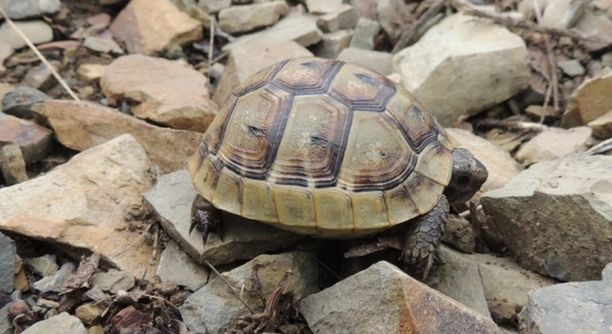
Greek tortoises are popular pets known for their calm nature and unique needs. One essential aspect of their care is ensuring they get enough UVB exposure. UVB light plays a crucial role in their health and well-being.
Greek tortoises require regular UVB exposure to support proper calcium metabolism, which is vital for their shell and bone development. Without it, they may suffer from metabolic bone disease, causing weakness and deformities in their shells and limbs.
Understanding how UVB light impacts your tortoise’s health is key. By providing the right lighting, you can help prevent health issues and ensure your tortoise thrives.
1. UVB Light is Crucial for Calcium Absorption
UVB light helps your Greek tortoise absorb calcium, which is necessary for strong bones and a healthy shell. Without enough UVB, your tortoise’s body can’t process calcium properly. This can lead to metabolic bone disease (MBD), a serious condition that weakens bones and makes them more prone to fractures. MBD can also cause softening of the shell, which can lead to deformities.
When you provide UVB light, it helps your tortoise produce vitamin D3, which is essential for calcium absorption. Vitamin D3 ensures that calcium from their diet is used correctly, keeping their bones and shell strong. Without it, even a diet rich in calcium won’t be as effective.
UVB exposure isn’t something you should skip. Your tortoise needs this light for healthy bone and shell development. Without it, they may face long-term health issues that are preventable with proper care. Ensuring that your tortoise has the right lighting can go a long way in preventing such problems.
2. Mimicking Natural Sunlight
A natural habitat provides UVB light all day long, but it’s not always easy to replicate this indoors. By using UVB lamps, you can mimic the benefits of natural sunlight for your tortoise.
Tortoises in the wild receive UVB exposure directly from the sun, which is crucial for their overall health. Without it, they would be at risk of malnutrition, weak bones, and shell deformities. In captivity, however, it’s up to you to provide this essential light. UVB lamps can offer the same benefits, but only if you make sure they are positioned correctly and provide the proper intensity.
It’s important to replace UVB bulbs regularly as they lose their effectiveness over time. Ensure that the lamp is positioned at the right distance from your tortoise to get the full benefit. The UVB light should be on for 10 to 12 hours a day to ensure your tortoise gets the exposure they need. It’s also a good idea to place a thermometer in the tank to monitor temperatures, making sure they stay within a safe range.
3. Preventing Shell Deformities
UVB light helps prevent shell deformities by supporting calcium metabolism. Without UVB, your tortoise’s shell can become soft, weak, or malformed, which can be painful and impact their movement.
When a tortoise doesn’t get enough UVB exposure, their body struggles to use calcium effectively, which affects shell growth. The shell may develop irregularities like soft spots or pyramiding, where the scutes (the plates on the shell) form sharp, unnatural peaks. These deformities can be permanent if not caught early. Proper UVB exposure helps avoid these issues and supports healthy, even shell growth.
Additionally, it’s crucial to pair UVB lighting with a balanced diet, as good nutrition plays a role in shell health. This combination will help your tortoise grow strong, healthy, and with a well-formed shell.
4. Supporting Proper Growth and Development
UVB exposure is essential for proper growth, especially in young tortoises. Without adequate UVB, they may experience stunted growth, weak bones, and poor overall health.
UVB light directly influences the development of bones, shell, and muscle structure. Without it, your tortoise may grow more slowly, and its skeletal system could become brittle. In extreme cases, the absence of UVB can even lead to developmental disorders. In a natural environment, young tortoises get constant access to sunlight, but in captivity, it’s up to you to provide this vital component for their growth.
For healthy development, it’s important to ensure your tortoise gets UVB exposure daily. Regular access to UVB will support its overall health and ensure it grows at a normal rate. You should also check the UVB bulb regularly, as older bulbs lose their effectiveness over time, and adjust the placement to match the growing needs of your tortoise.
5. Boosting Immune System Function
UVB light helps strengthen the immune system by supporting vitamin D3 production. This vitamin is crucial for a healthy immune response.
When your tortoise receives adequate UVB exposure, it can fight off infections and illnesses more effectively. Vitamin D3 supports the immune system, helping your tortoise stay healthy and strong. UVB light helps regulate the immune system, ensuring that your tortoise can protect itself from diseases and infections. Regular exposure is key to maintaining a strong defense against health issues.
Without proper UVB exposure, your tortoise’s immune system might be weakened, making it more vulnerable to sickness.
6. Enhancing Activity Levels
UVB exposure contributes to higher energy levels and increased activity. When your tortoise gets enough UVB, it tends to be more active and alert.
Tortoises with regular access to UVB light are more likely to be active, exploring their habitat and engaging in natural behaviors like eating and moving around. Inadequate UVB exposure can lead to lethargy, poor appetite, and reduced interaction with their environment. It’s important to maintain consistent UVB lighting to encourage your tortoise to be as active and healthy as possible.
A well-lit environment helps your tortoise thrive physically and mentally.
7. Regulating Hormones
UVB light plays a role in regulating hormones, including those related to growth, reproduction, and overall health.
When exposed to UVB, your tortoise’s body can regulate important hormonal functions. These include growth-related hormones and reproductive hormones, which are vital for their well-being. Without UVB, hormonal imbalances may occur, affecting growth rates and reproduction cycles. It’s essential to provide consistent UVB exposure to keep these processes running smoothly. This regulation ensures your tortoise remains healthy and develops normally, preventing potential health issues related to hormone imbalances.
FAQ
How long should I provide UVB light for my Greek tortoise?
Greek tortoises need about 10 to 12 hours of UVB exposure each day. This mimics natural sunlight, helping them stay healthy. It’s important to maintain a consistent light cycle, similar to what they would experience in the wild. Be sure to turn the UVB light off at night to provide a proper rest cycle. UVB bulbs should be on for the majority of the day, but don’t leave them on constantly, as it’s essential for your tortoise to have a period of darkness for natural rhythms.
What type of UVB light should I use for my Greek tortoise?
For Greek tortoises, it’s best to use a UVB fluorescent bulb or a UVB mercury vapor bulb. The fluorescent bulb should be rated for a full-spectrum light, providing both UVB and UVA. The mercury vapor bulb can offer both heat and UVB light, but it’s typically used for larger enclosures. Be sure the bulb is designed for reptiles, as it will emit the correct amount of UVB radiation. Regular household bulbs won’t provide the necessary UVB.
How close should the UVB light be to my tortoise?
The UVB light should be placed about 12 to 18 inches above your tortoise’s basking area, depending on the bulb type. Different UVB bulbs have different output intensities, so always check the manufacturer’s guidelines for the recommended distance. If the bulb is too far away, your tortoise won’t receive enough UVB exposure. If it’s too close, the intensity could be harmful. Position the bulb directly above where your tortoise spends most of its time to ensure it gets the right amount of UVB.
How do I know if my tortoise is getting enough UVB?
Signs that your tortoise might not be getting enough UVB include lethargy, lack of appetite, soft or deformed shell, and overall poor health. If you notice any of these symptoms, it’s important to check their UVB light exposure. Ensure the bulb is the correct strength, placed at the right distance, and working properly. Regularly replacing UVB bulbs is essential, as they lose effectiveness over time, even if they still emit visible light.
Can my Greek tortoise get UVB from natural sunlight?
Yes, your tortoise can get UVB from natural sunlight, and it’s often the best source. A safe outdoor area or a window with direct sunlight will provide natural UVB exposure. However, it’s important to note that window glass filters out UVB rays, so your tortoise won’t benefit from UVB if kept inside near a window. If you’re able to provide outdoor sunlight, make sure it’s a safe, enclosed area free from predators. If outdoor access is limited, providing UVB bulbs indoors becomes even more important.
How often do I need to replace the UVB bulb?
UVB bulbs lose their effectiveness over time, even if they still light up. It’s recommended to replace UVB fluorescent bulbs every 6 to 12 months, depending on the type and brand. Always check the manufacturer’s recommendations. Even if the light appears to be functioning normally, it might not be emitting sufficient UVB. Regular bulb replacement ensures that your tortoise receives consistent and adequate UVB exposure for proper health.
Can UVB light be harmful to my tortoise?
UVB light is essential for your tortoise’s health, but it can be harmful if the exposure is too intense or prolonged. If the UVB bulb is too close or left on too long, it can cause burns or stress to your tortoise. Always make sure the bulb is at the right distance and limit exposure to the recommended 10 to 12 hours per day. It’s also important to monitor the temperature in the enclosure, as excessive heat from the bulb can also cause harm.
Do UVB bulbs also provide heat?
Some UVB bulbs, like mercury vapor bulbs, also provide heat, making them a good option for keeping your tortoise’s habitat warm. If you’re using a standard fluorescent UVB bulb, you will need a separate heat source, such as a basking bulb, to maintain the correct temperature in the enclosure. Greek tortoises require a warm basking spot of around 90-95°F (32-35°C), with a cooler side around 75°F (24°C). Proper temperature regulation is crucial for your tortoise’s health in addition to UVB exposure.
What happens if my tortoise doesn’t get UVB light?
If your tortoise is deprived of UVB light, it may develop serious health issues like metabolic bone disease, shell deformities, lethargy, or growth problems. Without UVB, your tortoise cannot properly absorb calcium, which is essential for strong bones and a healthy shell. In extreme cases, lack of UVB exposure can lead to death. It’s vital to provide the correct UVB lighting to ensure your tortoise stays healthy and active.
Can UVB exposure improve my tortoise’s behavior?
Yes, UVB exposure can improve your tortoise’s behavior. Proper UVB lighting helps regulate hormones and boosts energy levels, making your tortoise more active and engaged with its environment. Tortoises with enough UVB light are more likely to be curious, roam around, and eat regularly. Without it, they may become lethargic and disinterested in their surroundings. Regular UVB light helps ensure your tortoise has the energy to stay active and healthy.
Is it okay to leave my tortoise outside for UVB exposure?
Yes, it’s fine to let your tortoise get UVB exposure outside, but it must be in a secure and safe environment. Make sure they are in an enclosed space where they cannot escape or be harmed by predators. Outdoor exposure is a natural way for your tortoise to absorb UVB. However, always supervise their outdoor time and avoid direct sunlight during extreme heat to prevent overheating. Make sure they have a shaded area to retreat to if needed.
Final Thoughts
Providing regular UVB exposure to your Greek tortoise is essential for their overall health and well-being. It supports vital functions like calcium absorption, bone and shell development, and a strong immune system. Without it, your tortoise may face serious health issues, such as metabolic bone disease and shell deformities, which can affect their quality of life. The importance of UVB light cannot be overstated, and ensuring that your tortoise gets the right amount of exposure is crucial for their long-term health.
UVB light also helps regulate your tortoise’s hormones, encouraging healthy growth and activity levels. With adequate UVB, your tortoise will be more energetic, curious, and active in their environment. Without it, they may become lethargic, lose their appetite, and fail to thrive. It’s important to replicate natural sunlight as much as possible in their habitat, whether through UVB bulbs or natural sunlight, if safe. Regular exposure will encourage natural behaviors, improve their immune system, and keep them active.
Taking care of a tortoise requires attention to detail, but with the right UVB lighting, you can prevent many health problems and ensure that your tortoise lives a happy, healthy life. Make sure you provide them with enough light every day, adjust the temperature in their habitat, and monitor their health closely. Regularly replace your UVB bulbs, as they lose effectiveness over time, and check the placement to ensure your tortoise gets the proper exposure. By providing consistent care, your Greek tortoise will flourish, grow strong, and enjoy a long, healthy life.

Hello,
If you enjoy the content that we create, please consider saying a "Thank You!" by leaving a tip.
Every little bit helps us continue crafting quality advice that supports the health, happiness, and well-being of pets around the world, for pets of all shapes, sizes, and species.
We really appreciate the kindness and support that you show us!