
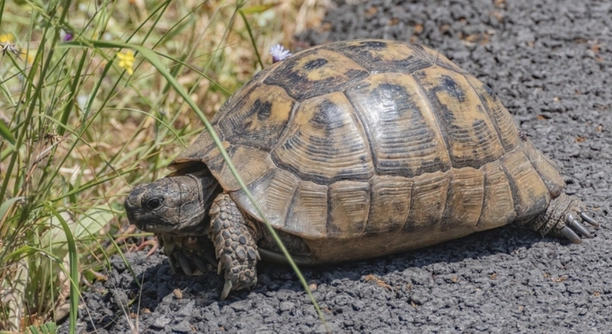
Raising a Greek tortoise can be a rewarding experience. These little creatures are known for their longevity and calm demeanor. However, they require proper care and attention to ensure they remain healthy and happy throughout their lives.
To raise a happy Greek tortoise, focus on providing the right environment, diet, and routine. Make sure they have access to proper lighting, temperature, and space. A balanced diet of vegetables, grasses, and calcium will also help keep them healthy.
Taking care of these lovely creatures isn’t as complicated as it seems. Knowing a few essential tips can go a long way in ensuring they thrive in their habitat.
Creating the Right Environment
Greek tortoises thrive in outdoor environments, especially in warm climates. They need a spacious area where they can roam and explore. The enclosure should be large enough to allow them to move freely, with a mix of sun and shade. A secure fence or wall will prevent them from wandering off. A sandy or grassy surface mimics their natural habitat, helping them feel at ease.
A proper habitat needs to be well-ventilated and dry. Humidity can be harmful to them, so ensure the space doesn’t stay too damp. They will need a sheltered area for resting, where they can retreat from the heat when they need to cool down. Providing a few rocks or logs can also help create natural hiding spots.
Temperature is another key factor. During the day, it should be warm, between 80°F to 90°F. At night, it can drop to around 60°F. Make sure the tortoise has access to heat during colder months, and keep them indoors if necessary.
Offering the Right Diet
Greek tortoises enjoy a variety of plants. They primarily eat grasses, leafy greens, and some vegetables. Avoid feeding them fruit too often as it can cause digestive problems. Fresh, high-fiber foods will help their digestion and keep them strong.
Provide a calcium supplement to support their shell health. Offer cuttlefish bone or a calcium powder that can be sprinkled over their meals. This helps prevent shell deformities and keeps their bones strong. Make sure they always have fresh water available to stay hydrated.
A healthy diet is essential for keeping your Greek tortoise happy and active.
Providing Proper Lighting
UVB lighting is essential for a Greek tortoise’s health. It helps them absorb calcium and prevents metabolic bone disease. Place a UVB light over their enclosure for 12 to 14 hours each day. If your tortoise is kept outdoors, natural sunlight is great, but be mindful of temperatures.
UVB bulbs should be replaced regularly to ensure their effectiveness. These bulbs lose their UV output over time, even if they still emit light. You can position the UVB light above their basking area, so they can get the full benefit. Keep the bulb about 12 inches above the ground.
Having a heat source, like a basking lamp, is just as important. It helps your tortoise regulate its body temperature. Aim for a basking spot temperature between 95°F and 100°F. If you’re keeping them inside, make sure the room has an ambient temperature of around 75°F.
Creating a Balanced Routine
A regular routine will help your Greek tortoise feel secure. They thrive with consistency in feeding times, bathing, and outdoor exposure. Stick to set schedules, as this will encourage them to eat properly and become accustomed to their habitat.
Regular bathing is essential for hydration. A warm bath can also help with digestion. Do this a few times a week or when needed. Make sure the water isn’t too hot, as it can stress your tortoise. After a bath, gently dry them off with a soft towel to avoid chilling them.
Make time to observe their behavior and health daily. Look for signs of weight loss or lethargy, as these could indicate health issues. A consistent, calm routine ensures your Greek tortoise remains comfortable and healthy for years.
Keeping Your Tortoise Active
Exercise is important for your Greek tortoise to stay fit and healthy. Provide plenty of space to roam, climb, and dig. This encourages natural behaviors and helps prevent obesity. If kept outdoors, make sure the area is large enough for exploration. Indoor enclosures should also be spacious.
You can create obstacles for them to climb over, such as rocks or logs. These help stimulate their senses and mimic their natural environment. A tortoise that is kept active will be happier and less likely to develop health problems over time.
Handling Your Tortoise
Handling should be done gently and infrequently. While tortoises are not social animals, they can tolerate being touched when done carefully. Always support their body properly to avoid stress or injury. Avoid lifting them by the legs or tail.
Allow them to roam around on their own when possible. Over-handling can cause anxiety or disrupt their routine. Give them time to adjust to your presence and the environment before attempting to hold them for short periods. Keeping interaction calm and respectful is key to their well-being.
FAQ
How often should I feed my Greek tortoise?
Greek tortoises should be fed daily, but the amount varies based on age and size. Juveniles typically need more food, around once a day, while adults can eat every other day. It’s important to monitor their weight to adjust portions accordingly. Make sure to feed a mix of leafy greens and grasses, offering a variety of fresh plants each time. Avoid feeding them too many high-calcium foods like dandelion leaves regularly, as this can cause kidney problems. Offering food at consistent times each day helps establish a routine.
Can I keep my Greek tortoise inside?
Yes, you can keep a Greek tortoise indoors, but it requires careful attention to their lighting, temperature, and space. You’ll need a large enclosure with a heat source, UVB light, and proper ventilation. Make sure the temperature stays between 80°F to 90°F during the day and drops to around 60°F at night. The tortoise will need a basking spot that’s around 95°F. Indoor tortoises also benefit from regular outside time in safe, supervised areas. It’s vital to replicate their natural habitat as closely as possible, even indoors.
Do Greek tortoises need a water bowl?
Yes, Greek tortoises need access to fresh water at all times. They drink frequently, but they also absorb water through their skin while bathing. A shallow water bowl placed in their enclosure is ideal, as they will drink and soak in it if they wish. Change the water regularly to keep it clean. Also, offer occasional warm baths to help them stay hydrated and aid in digestion. Avoid leaving the water bowl in direct sunlight, as it can become too warm.
Can I house more than one Greek tortoise together?
Greek tortoises can live together, but it’s best to house them individually or in pairs if they have enough space. Male tortoises can be aggressive toward one another, especially during the breeding season, and this can lead to fights. In a larger enclosure, it’s possible to have multiple tortoises, but observe their behavior closely. Provide hiding spots so they can escape from one another if necessary. If you’re keeping more than one, make sure there are multiple food and water stations to avoid competition.
How long do Greek tortoises live?
Greek tortoises can live for 50 years or more with proper care. They are known for their long lifespan, and providing them with a healthy diet, stable environment, and regular health checks will help them live to their full potential. As they age, they may slow down and require less food, but they still need regular care. Keep in mind that the lifespan can be affected by factors like diet, habitat quality, and genetics. Older tortoises may also need extra support with temperature and humidity to stay comfortable.
What temperature does my Greek tortoise need?
Greek tortoises need a warm environment. The daytime temperature should be between 80°F to 90°F, and they should have a basking area that reaches 95°F to 100°F. At night, the temperature can drop to around 60°F, simulating their natural environment. If you’re keeping your tortoise indoors, you’ll need a heat lamp and UVB light to mimic sunlight. It’s crucial not to let the temperature fall below 60°F, as this can cause stress or illness. Use a thermometer to monitor the temperature and adjust heating sources as necessary.
Can I feed my Greek tortoise fruits and vegetables?
Yes, Greek tortoises can eat vegetables and fruits, but with some restrictions. Vegetables like kale, collard greens, and dandelion leaves are perfect for them. Some fruits, like strawberries or melon, can be offered occasionally as a treat but should not be a regular part of their diet. High-sugar fruits can upset their digestive system. Offer fresh, organic produce when possible, and avoid feeding them processed or pesticide-laden vegetables. The majority of their diet should consist of grasses, leafy greens, and other plants that provide fiber.
How do I handle my Greek tortoise during the winter?
During the winter months, Greek tortoises should be kept warm. If they’re housed indoors, make sure their enclosure remains at the correct temperatures and has proper UVB lighting. Some owners allow their tortoises to hibernate during winter, but this should only be done if their health is in good condition. Hibernation requires careful monitoring of temperature, humidity, and weight to ensure they don’t lose too much body mass. If you live in a colder climate, it’s best to keep them indoors during the winter to prevent them from being exposed to extreme cold.
What should I do if my Greek tortoise isn’t eating?
If your Greek tortoise isn’t eating, there could be several causes. Stress, illness, and incorrect temperatures are common reasons why tortoises may refuse food. Check the temperature in their enclosure to make sure it’s appropriate, and ensure the UVB light is functioning properly. If the conditions are right and they still refuse food, it might be time to schedule a vet checkup. Additionally, check if their food is fresh and properly offered. Occasionally, tortoises may fast for short periods, but prolonged lack of appetite could indicate a health issue.
Final Thoughts
Caring for a Greek tortoise requires attention to detail, but the effort is well worth it. These reptiles can live for many years when provided with the right environment, diet, and care. They are hardy animals, but they do best when their habitat is set up to mimic the conditions of the wild. It’s important to focus on the key areas such as lighting, temperature, and space. Greek tortoises need both warmth and UVB light to thrive, as well as room to roam, dig, and explore. Keeping these elements in mind will help ensure that your tortoise remains happy and healthy.
Diet plays a big role in the overall health of a Greek tortoise. A diet rich in leafy greens, grasses, and calcium helps support their growth and shell development. Overfeeding, especially with high-calcium or sugary foods like fruits, should be avoided to prevent health problems. Fresh water is essential, as well as occasional bathing to keep them hydrated. Greek tortoises are not difficult to feed, but providing variety in their meals will keep them engaged and satisfied. It’s important to maintain a balanced approach when it comes to food, focusing on what will benefit them long term.
Lastly, patience is key. Tortoises are slow-moving creatures that thrive on routine and consistency. Whether it’s the way you handle them or their daily feeding schedule, making sure they are comfortable in their environment is essential. It’s easy to get caught up in the excitement of having a pet, but taking time to observe their behavior and adjust their care when necessary will keep them content. By focusing on their needs and being proactive with their care, your Greek tortoise can live a long, happy life in your home.

Hello,
If you enjoy the content that we create, please consider saying a "Thank You!" by leaving a tip.
Every little bit helps us continue crafting quality advice that supports the health, happiness, and well-being of pets around the world, for pets of all shapes, sizes, and species.
We really appreciate the kindness and support that you show us!