
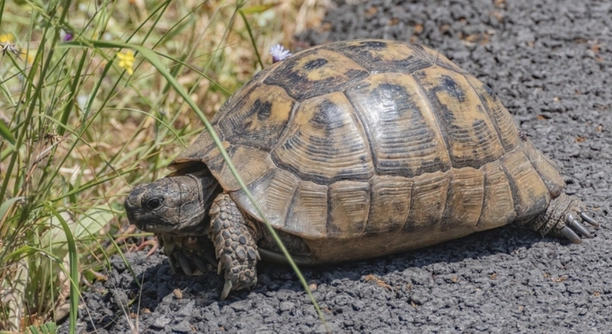
If your Greek tortoise is scratching its face, it might be a sign of something important. Understanding why this happens can help ensure your tortoise stays healthy and happy in its environment.
Face scratching in Greek tortoises can be caused by various factors such as environmental stress, skin irritation, or even poor diet. These issues may lead to discomfort and should be addressed quickly to prevent further complications.
There are several possible causes behind the scratching. Understanding these factors can help you take the right steps to improve your tortoise’s well-being and avoid future issues.
Environmental Stress
Environmental stress can be a major factor in why your Greek tortoise scratches its face. Tortoises are sensitive to their surroundings, and any changes can affect their behavior. Common stressors include temperature fluctuations, improper humidity levels, and unfamiliar surroundings. A sudden move to a new enclosure or exposure to loud noises can cause anxiety, leading to face scratching or rubbing. This behavior may also occur when they are not provided with enough space to roam or feel overcrowded.
Proper care can reduce environmental stress. Ensure your tortoise’s habitat has a consistent temperature range between 75°F and 85°F (24°C to 29°C) during the day and a cooler area at night. Providing a well-ventilated enclosure with enough space to move around and hiding spots to retreat can help them feel more secure. You can also add some natural elements, like plants and rocks, which will help replicate their natural environment.
Tortoises require a stable and quiet environment to feel at ease. When they experience stress, it may lead to health problems over time. If your tortoise continues to scratch its face after adjustments, further investigation into other causes may be necessary.
Skin Irritation
Skin irritation is another common reason why your tortoise scratches its face. This can happen if their environment is too dry or if they come into contact with irritants like rough surfaces or harsh cleaning products. These irritations can lead to itching and rubbing.
In addition to ensuring proper humidity levels in their habitat, it’s important to use safe and natural materials when cleaning their enclosure. Make sure the surfaces they walk on aren’t too abrasive. Also, check for any signs of fungal or bacterial infections that could contribute to irritation. If irritation persists, a veterinarian’s evaluation can help rule out any underlying issues.
Poor Diet
A poor diet can directly affect your tortoise’s skin and overall health, leading to face scratching. Greek tortoises need a balanced diet that includes fiber-rich plants, leafy greens, and occasional fruits. An improper diet can lead to deficiencies, making the skin more sensitive and prone to irritation.
Calcium and vitamin A deficiencies are particularly common in tortoises and may cause problems like skin scaling or dryness. Ensure your tortoise receives enough calcium through supplementation and a variety of greens. Regularly offering them a mix of safe, nutrient-dense vegetables like dandelion greens or collard greens can help improve their health and prevent irritation.
Overfeeding fruits can also result in digestive issues, leading to excess waste and an unbalanced diet. Avoid giving too many high-sugar fruits, as this can cause gastrointestinal upset. A proper diet not only maintains good health but can reduce the occurrence of unwanted behaviors like scratching.
Shell Issues
Sometimes face scratching is linked to problems with the tortoise’s shell. If the shell is too dry or improperly maintained, it may lead to discomfort, prompting your tortoise to rub or scratch its face. Dry, flaky shell conditions can result from insufficient humidity or improper care.
Proper shell maintenance includes keeping humidity levels correct and ensuring your tortoise has access to appropriate UVB lighting. UVB light helps them absorb calcium, which is essential for shell health. Dry or cracked shells are also common when they do not receive enough water, which can lead to dehydration. A well-balanced environment is key to preventing shell problems.
Regular soaking in shallow water for 15-20 minutes can help maintain hydration levels. If you notice any unusual markings, growths, or changes in your tortoise’s shell, it’s best to consult a veterinarian to ensure there’s no underlying health issue affecting their shell or skin.
Parasites
Parasites like mites or ticks can irritate your tortoise’s skin, leading to face scratching. These tiny creatures are often hard to spot, but their presence can cause discomfort and lead to behavioral changes. Checking your tortoise regularly for signs of infestation is essential.
If you suspect your tortoise has parasites, the best course of action is to consult a veterinarian. They can perform a thorough check and provide the appropriate treatment, such as medication to clear the parasites. Cleaning the enclosure thoroughly will help prevent re-infestation, ensuring your tortoise remains comfortable.
Dry Skin
Dry skin can lead to face scratching and irritation in Greek tortoises. This often happens when the humidity levels are too low, causing the skin to become flaky and uncomfortable. Ensuring proper humidity is crucial in preventing this issue.
Using a humidifier or misting your tortoise’s habitat can improve humidity levels. Regular soaking can also help hydrate their skin. If the problem persists despite these adjustments, a veterinarian may suggest specialized creams or ointments designed to soothe dry skin and promote healing.
FAQ
Why is my Greek tortoise scratching its face?
Face scratching in a Greek tortoise is often a sign of discomfort or irritation. It can be caused by environmental stress, skin issues, or poor diet. If the habitat is too dry, the tortoise might scratch to relieve the irritation. Sometimes, it could be related to parasites or shell issues. Identifying the exact cause can require observation and adjustments to its care routine.
How can I stop my tortoise from scratching?
To stop face scratching, first assess your tortoise’s environment. Ensure that the temperature and humidity levels are optimal, and that the enclosure is spacious enough for them to move around comfortably. Provide a varied and nutritious diet to avoid deficiencies. If the scratching continues, check for signs of parasites or skin irritations. A visit to a vet may be necessary to rule out infections or underlying health problems.
Can a poor diet cause face scratching?
Yes, a poor diet can lead to face scratching. A lack of essential nutrients like calcium and vitamin A can result in dry, irritated skin. Inadequate fiber in the diet may also cause digestive issues, leading to discomfort. A balanced diet with enough greens and occasional fruits can prevent these problems.
What should I feed my Greek tortoise to prevent face scratching?
A diet rich in fiber, calcium, and essential vitamins is important for maintaining your tortoise’s health. Leafy greens like dandelion greens, collard greens, and kale are excellent choices. Providing safe, high-calcium vegetables like squash or turnip greens will help ensure strong, healthy skin. Avoid overfeeding fruits, as their high sugar content can upset your tortoise’s digestive system.
Is it possible that face scratching is caused by shell problems?
Yes, shell problems can cause face scratching. If the tortoise’s shell is dry, cracked, or not properly cared for, it may cause discomfort, leading the tortoise to scratch its face. Ensuring proper hydration, regular UVB exposure, and a consistent humidity level can help maintain a healthy shell. If the shell continues to be a problem, seek advice from a vet.
How do I treat dry skin on my Greek tortoise?
Dry skin in tortoises can be treated by improving the humidity levels in their habitat. Regular misting or using a humidifier can help prevent skin from becoming flaky. You can also soak your tortoise in shallow water to help hydrate its skin. In some cases, special creams or oils may be recommended by a veterinarian.
Can parasites cause face scratching in Greek tortoises?
Parasites such as mites or ticks can irritate your tortoise’s skin, leading to face scratching. These tiny organisms are not always visible to the naked eye but can cause significant discomfort. If you suspect an infestation, it’s best to consult a veterinarian, who can provide appropriate treatments to eliminate the parasites.
What is the best way to check for parasites on my tortoise?
Regularly check your tortoise’s body and face for any signs of small, moving creatures or lesions. Pay attention to areas like the legs, head, and around the eyes, as parasites tend to gather in these places. If you notice anything unusual, take your tortoise to the vet for a more thorough check.
How can I improve the humidity in my tortoise’s habitat?
To improve humidity, you can mist the enclosure with water or use a humidifier to maintain consistent moisture levels. Adding a water dish large enough for the tortoise to soak in can also help increase humidity. Ensure that the enclosure has good ventilation to prevent mold growth while maintaining proper moisture levels.
Can stress cause my Greek tortoise to scratch its face?
Yes, stress is a common reason for face scratching. Changes in the environment, such as moving to a new home, loud noises, or a smaller space than usual, can stress your tortoise and cause it to scratch or rub its face. Minimizing disruptions and maintaining a stable, quiet habitat can reduce stress-related behaviors.
How do I create a stress-free environment for my tortoise?
To reduce stress, ensure your tortoise’s environment remains stable. Avoid sudden temperature or humidity changes, and limit loud noises. Give your tortoise enough space to move around and explore, as well as hiding spots where it can retreat and feel safe. A quiet, predictable environment promotes better health and well-being.
Is it normal for my tortoise to scratch its face occasionally?
Occasional face scratching may not always be a cause for concern, but it’s important to monitor your tortoise’s behavior. If scratching becomes frequent or seems to cause distress, it’s worth investigating further. Keep an eye on its skin condition, diet, and environment to ensure it is not linked to an underlying issue.
What temperature should my Greek tortoise’s habitat be?
The ideal temperature for a Greek tortoise’s habitat is between 75°F and 85°F (24°C to 29°C) during the day. At night, the temperature should drop to around 70°F (21°C). Make sure there’s a cooler area for your tortoise to retreat to when it needs to escape the heat. Maintaining consistent temperatures helps keep your tortoise comfortable and healthy.
Can face scratching lead to long-term damage?
If the cause of the face scratching is not addressed, it can potentially lead to long-term damage. For example, persistent irritation may result in infection or scarring. If your tortoise continues to scratch despite environmental adjustments, consulting a veterinarian is important to prevent further complications.
Final Thoughts
Face scratching in Greek tortoises can happen for various reasons, from dry skin to environmental factors like humidity or stress. It is essential to observe your tortoise closely and identify any patterns or changes in behavior. Small adjustments to the habitat, diet, or routine can often alleviate these issues. Regular checks for parasites, proper hydration, and a balanced diet will contribute significantly to the overall health of your tortoise. These steps can help reduce the chances of face scratching becoming a recurring problem.
In some cases, scratching may be a sign of more serious health concerns that require professional attention. If the scratching continues despite adjustments, a visit to a veterinarian should not be delayed. The vet can check for parasites, infections, or other underlying conditions that may not be visible to the eye. Timely intervention can prevent more severe complications and ensure that your tortoise remains comfortable and well-cared for. Always remember, when in doubt, it is better to seek expert advice.
Caring for a Greek tortoise requires consistent attention to their environment and overall well-being. The small changes you make, whether adjusting humidity, improving their diet, or ensuring a safe, quiet space, can make a big difference in their behavior. By providing the right conditions and seeking help when necessary, you will be supporting your tortoise’s long-term health and happiness. With proper care, face scratching can be minimized or avoided entirely.

Hello,
If you enjoy the content that we create, please consider saying a "Thank You!" by leaving a tip.
Every little bit helps us continue crafting quality advice that supports the health, happiness, and well-being of pets around the world, for pets of all shapes, sizes, and species.
We really appreciate the kindness and support that you show us!