
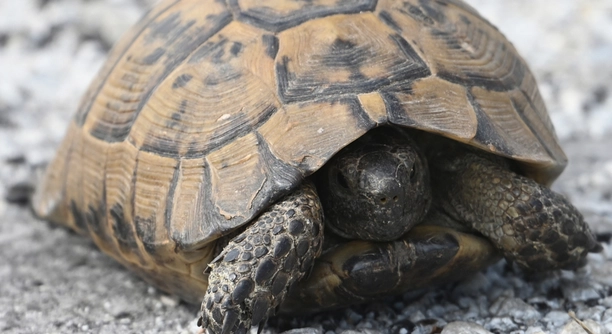
Greek tortoises are known for their varied diet, but not all foods are suitable for their digestive system. Some can lead to serious health issues, affecting their well-being. Knowing which foods to avoid is crucial for their care.
Certain foods can cause digestive issues for Greek tortoises, particularly those high in protein or oxalates. Examples include lettuce, spinach, and certain fruits. These can disrupt their gut flora or lead to kidney problems if consumed excessively.
By understanding which foods to limit or avoid, you can promote better digestion and overall health for your tortoise. This knowledge will help ensure your pet remains happy and healthy for years to come.
Foods High in Protein
Greek tortoises are herbivores, which means their digestive system is not built to handle high amounts of protein. Feeding them foods that are rich in protein, such as animal products or high-protein plants, can upset their digestion and lead to kidney damage. When they consume too much protein, their bodies struggle to process it, which can result in unhealthy levels of waste buildup.
It’s important to remember that Greek tortoises should primarily eat leafy greens and grasses, with protein making up a very small portion of their diet.
Avoid feeding your tortoise high-protein foods like meat, eggs, or legumes. Stick to safe greens such as dandelion leaves, clover, and collard greens. These provide the right balance of nutrients for their health and digestion. It’s best to keep their diet as natural as possible.
Oxalate-Rich Foods
Oxalates are compounds found in certain plants that can interfere with calcium absorption and lead to kidney problems.
Certain leafy greens, such as spinach and beet greens, contain high levels of oxalates. These can cause issues if fed regularly. To keep your tortoise safe, limit these in their diet and stick to oxalate-free options.
Providing a diet of low-oxalate plants like grasses, herbs, and weeds ensures your tortoise gets the necessary nutrients without the risks. Calcium absorption is crucial for bone health, and reducing oxalate intake will help prevent complications. This approach promotes better overall well-being for your tortoise.
Fruits and Their Effects
Fruits are high in sugar and can disrupt your tortoise’s digestive system when fed in excess. While small amounts of fruit can be fine, too much can lead to obesity and digestive issues. Overconsumption of sugary fruits can cause gastrointestinal discomfort.
Watermelon, apples, and grapes may seem harmless but can cause bloating or diarrhea in Greek tortoises. To avoid these issues, limit fruits to occasional treats, offering small pieces. Instead, prioritize high-fiber plants like grasses and leafy greens. Keeping fruits rare ensures your tortoise maintains a balanced diet and avoids potential digestive problems.
A variety of fruit options are available, but many can upset the digestive system of Greek tortoises. The sugar content in fruits can cause problems such as diarrhea and excessive weight gain. Even though fruits are rich in vitamins, the sugars and acids can imbalance their digestion. Therefore, they should only be offered sparingly and balanced with proper greens.
Dairy Products
Dairy products should never be part of a Greek tortoise’s diet. Their digestive systems cannot handle lactose, which can lead to serious stomach issues, including diarrhea and dehydration. Lactose intolerance in reptiles is common, and dairy can cause discomfort.
Dairy contains high levels of fat, which can negatively affect digestion and overall health in Greek tortoises. Tortoises require a diet rich in fiber, and dairy products simply do not fit this need. When tortoises ingest dairy, it can lead to severe digestive upset and more serious long-term health problems. The high fat and protein content in dairy can also overwhelm their kidneys and liver, stressing vital organs.
Instead of dairy, focus on providing fiber-rich greens and appropriate plants that match their natural diet. This promotes healthy digestion and prevents the risk of digestive discomfort or more serious health concerns.
Processed Foods
Processed foods, such as canned vegetables or pre-packaged meals, are not suitable for Greek tortoises. These foods often contain preservatives, artificial additives, and high levels of salt. These ingredients can upset their digestive system and lead to health problems over time.
The high sodium content in processed foods can lead to dehydration and kidney stress. In addition, these foods lack the essential nutrients tortoises need for proper digestion and overall health. Stick to fresh, natural foods like grasses, leafy greens, and flowers to maintain a healthy diet. This ensures they get the right balance of nutrients.
High-Starch Vegetables
High-starch vegetables, like potatoes and sweet potatoes, should be avoided in a Greek tortoise’s diet. Starchy vegetables can cause digestive issues, leading to bloating and discomfort. They may also hinder proper absorption of nutrients.
Starches can overwhelm the tortoise’s digestive system, making it harder to process food. Their gut is designed to digest high-fiber, low-starch plants, which provide the right nutrients and keep digestion running smoothly. Stick to non-starchy vegetables such as leafy greens, dandelion leaves, and grass to avoid causing unnecessary strain on their system.
Beans and Legumes
Beans and legumes can be harmful to Greek tortoises, as they contain compounds that can interfere with digestion. These foods are hard for tortoises to break down and can lead to bloating or gas.
The complex sugars in beans are not well-digested by tortoises and can cause gastrointestinal discomfort. Legumes like peas and lentils are too rich in protein and too difficult for tortoises to process. Always choose leafy greens, safe flowers, and grasses to provide a balanced and healthy diet that meets their digestive needs.
FAQ
What are the best foods for Greek tortoises?
Greek tortoises thrive on a diet primarily consisting of leafy greens, grasses, and edible flowers. Some of the best foods to feed them include dandelion greens, clover, and collard greens. These plants provide the essential nutrients, such as fiber and calcium, which are necessary for their digestive health and overall well-being. It’s also important to offer a variety of plants to prevent dietary imbalances. Wild weeds and grasses are excellent options, as they mirror what they would naturally eat in the wild. Avoid foods high in protein, such as meats or dairy.
How often should I feed my Greek tortoise?
Adult Greek tortoises typically require feeding every other day. Overfeeding can lead to obesity, so it’s best to maintain a balanced schedule. Hatchlings and juveniles, however, may need to eat daily to support their rapid growth. Providing fresh, untreated greens and safe plants during each feeding ensures they get the right amount of nutrition. A consistent feeding schedule helps maintain their energy levels and digestive health, making it easier to monitor any changes in their eating habits.
Can I feed my Greek tortoise fruit regularly?
Fruits should only be fed sparingly to Greek tortoises. While fruits like apples, strawberries, and watermelon can be tasty treats, they are high in sugar, which can cause digestive issues if given in large quantities. Offering fruit once or twice a week in small portions is generally safe, but it should not be a major part of their diet. Overfeeding fruit can lead to bloating, diarrhea, or even obesity. Stick to greens and flowers as the main components of their diet.
Can Greek tortoises eat spinach and kale?
Spinach and kale are safe for Greek tortoises in small quantities, but they should not be fed regularly. Spinach contains oxalates, which can interfere with calcium absorption, leading to potential health problems. Kale, while generally safe, is also high in oxalates and should be offered occasionally to avoid any long-term effects on calcium metabolism. It’s best to provide a variety of other leafy greens, like dandelion greens or collard greens, which offer more balanced nutrients without the risks of oxalates.
Is it okay to feed Greek tortoises weeds from outside?
Yes, Greek tortoises can safely eat many weeds found outdoors, but they should only be gathered from areas that are free from pesticides, herbicides, or other chemicals. Common weeds like dandelions, clover, and plantain are excellent for their diet. Just be cautious about collecting weeds from areas that may have been treated with chemicals, as these can be toxic to tortoises. Always wash any weeds before offering them to ensure they are clean and free from any contaminants.
Can Greek tortoises eat lettuce?
Lettuce, especially iceberg lettuce, is not a good choice for Greek tortoises. Iceberg lettuce offers little nutritional value and can cause digestive upset due to its high water content. Romaine lettuce can be fed in moderation, but it should not be the primary leafy green. Lettuce is best used occasionally as a supplement, while more nutritious greens, like dandelion leaves, collard greens, and mustard greens, should make up the bulk of their diet.
How much water should my Greek tortoise drink?
Greek tortoises do not drink a lot of water, but they still require access to clean water at all times. It’s essential to provide a shallow dish that allows them to drink when needed, but be sure to change the water regularly to keep it fresh. In addition to drinking, tortoises get moisture from the vegetables they eat, particularly juicy greens and fruits. Hydration is crucial for digestion and overall health, so it’s important to ensure they have adequate water sources.
Are there any plants toxic to Greek tortoises?
Yes, some plants are toxic to Greek tortoises and should be avoided. Common toxic plants include azalea, oleander, and certain types of ivy. Always research the plants in your area or your home to ensure they are safe before offering them to your tortoise. Additionally, plants with high levels of oxalates, like rhubarb or certain varieties of spinach, should be avoided as they can lead to kidney problems or interfere with calcium absorption. Stick to known, safe plants and flowers that are commonly fed to tortoises.
Should I give my Greek tortoise supplements?
In general, Greek tortoises do not require vitamin or mineral supplements if they are fed a balanced diet with adequate calcium and vitamin D. However, if you are concerned about their calcium intake, a light dusting of calcium powder on their food can be beneficial. Vitamin D3 is also important, particularly if your tortoise doesn’t get enough natural sunlight. If your tortoise is housed indoors, consider providing UVB lighting to support their calcium metabolism and overall health.
Can I feed my Greek tortoise carrots?
Carrots can be fed to Greek tortoises in moderation, but they should not be the main part of their diet. While carrots are safe to eat, they are high in sugar and low in fiber, so they should only be given as an occasional treat. Offering a variety of other vegetables like collard greens, turnip greens, and dandelion leaves is a much better choice for their health. Too much carrot can also contribute to imbalances in their diet, so always ensure that their meals are well-rounded and diverse.
How do I know if my Greek tortoise is healthy?
A healthy Greek tortoise should have a smooth, firm shell without visible cracks or deformities. Its eyes should be clear, bright, and free of discharge, and it should be active and alert. The tortoise should also be eating and drinking regularly and passing normal, solid waste. If you notice any changes in behavior, eating habits, or signs of illness, it’s essential to consult a reptile veterinarian for guidance. Regular check-ups can help catch potential health issues early, ensuring a long, healthy life for your tortoise.
Final Thoughts
Caring for a Greek tortoise requires careful attention to their diet, habitat, and overall well-being. While their diet should focus primarily on leafy greens, grasses, and safe plants, it’s important to avoid offering foods that can cause digestive issues or imbalances. Foods like high-protein items, sugary fruits, and some vegetables such as spinach should be fed in moderation or avoided entirely. Being mindful of these dietary restrictions will help ensure that your tortoise stays healthy and enjoys a long life.
Providing a suitable environment for your Greek tortoise is just as crucial as their diet. These tortoises thrive in well-maintained enclosures with access to natural sunlight, warmth, and humidity levels that mirror their natural habitat. A combination of UVB lighting and heat sources, along with a clean substrate and hiding places, will help your tortoise feel comfortable and secure. Regularly cleaning their living space is essential to prevent the buildup of harmful bacteria or parasites.
Overall, the key to a healthy Greek tortoise is balance. Their diet, environment, and care routine should all work together to promote their well-being. By offering them a varied and nutritious diet, maintaining their habitat properly, and watching for signs of illness, you can provide the best care possible for your tortoise. With the right attention and care, your Greek tortoise can live a healthy, happy life in your care.

Hello,
If you enjoy the content that we create, please consider saying a "Thank You!" by leaving a tip.
Every little bit helps us continue crafting quality advice that supports the health, happiness, and well-being of pets around the world, for pets of all shapes, sizes, and species.
We really appreciate the kindness and support that you show us!