
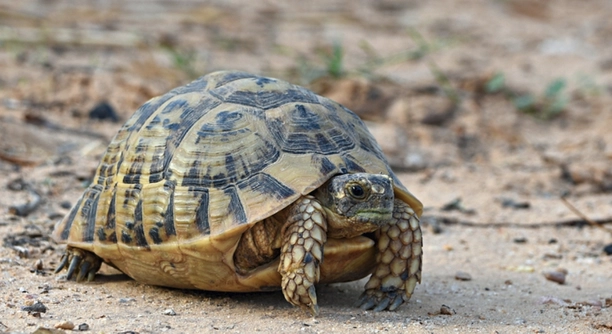
If your Greek tortoise refuses to go into its hide, it can be confusing. Understanding its behavior is essential to ensuring your tortoise’s health and comfort in its enclosure. There are several reasons this might happen.
The refusal to enter its hide could be due to environmental factors such as temperature, humidity, or stress. Additionally, your tortoise may simply prefer to explore or feel uncomfortable in the hide. Proper adjustments can encourage it to use the hide again.
Knowing the reasons behind this behavior can help create a more comfortable environment for your tortoise. Taking the right steps will improve their well-being and create a more balanced habitat.
Temperature and Humidity Concerns
One of the most common reasons your Greek tortoise might refuse to go into its hide is the temperature and humidity levels in its enclosure. Tortoises are cold-blooded and require a stable, warm environment to feel comfortable. If the area is too cold or too hot, they may avoid their hide. Ensuring a proper temperature gradient, with a warm basking area and a cooler side, is essential for your tortoise’s well-being. Additionally, the humidity level should be appropriate for your tortoise’s species. If it is too low or high, it can create discomfort.
It’s important to monitor both temperature and humidity closely. Investing in a reliable thermometer and hygrometer can help you keep track of these factors.
Creating a balanced environment that mimics the natural habitat of your tortoise will make it more likely to use its hide. Keep in mind that regular adjustments may be necessary to maintain the ideal conditions for your pet.
Stress from Changes
Stress is another significant factor that might discourage your tortoise from entering its hide. Changes in its surroundings, such as new pets, loud noises, or even moving the hide, can make your tortoise feel uneasy. Tortoises are sensitive to environmental shifts and may refuse to hide if they feel threatened or insecure. Reducing stress by keeping its habitat stable and quiet is key. This means limiting movement around the enclosure and avoiding rapid changes in its environment.
To reduce stress, avoid handling your tortoise excessively, especially when it’s adjusting to a new space or routine. A calm, predictable environment will help it feel safer and more inclined to use its hide.
If your tortoise is consistently stressed, it may take some time for it to adjust and feel comfortable again. Patience is important as you work to make its enclosure a more secure space.
Hide Location and Type
The location and type of hide could also be a factor. If your tortoise doesn’t find its hide suitable, it might choose not to use it. The hide should be placed in an area where your tortoise feels safe and can retreat without being disturbed. Make sure the hide is large enough for your tortoise to move comfortably inside. If it’s too small, cramped, or uncomfortable, your tortoise may avoid it altogether.
Some tortoises prefer a specific type of hide. For example, they may feel more secure in a cave-like structure compared to an open hide. Experimenting with different types of hides, such as wooden ones or ceramic, may make a significant difference in whether your tortoise chooses to use it.
Taking the time to evaluate the hide’s suitability will ensure your tortoise can retreat to a space that helps it feel safe and comfortable.
Health Issues
If your Greek tortoise is refusing to go into its hide, health problems could be playing a role. Common health issues like respiratory infections or parasites can cause discomfort, making it less likely for your tortoise to seek refuge in its hide. If you notice any other symptoms, such as lethargy or loss of appetite, a visit to the vet is recommended.
Health problems can alter your tortoise’s behavior and make it feel too weak or uncomfortable to enter its hide. A thorough checkup will help rule out any underlying health issues, allowing you to address the problem quickly. Ensuring your tortoise’s health is a top priority for its overall well-being.
Ignoring potential health problems can lead to further complications. It’s always best to consult with a vet if any unusual behavior is noticed. A healthy tortoise will feel comfortable in its environment, including its hide.
Overfeeding or Lack of Appetite
Overfeeding or changes in appetite can also discourage your tortoise from entering its hide. When fed too much, your tortoise may feel too full and sluggish, avoiding its hide to stay active. Alternatively, a loss of appetite due to stress or illness may also make it reluctant to enter its hiding place.
It’s important to feed your tortoise in moderation. Regular feeding schedules and avoiding overfeeding will help keep it in a more natural routine. If your tortoise is eating less than usual, it may be worth checking its behavior more closely for other signs of stress or illness.
Monitoring your tortoise’s feeding habits is vital for its health. If it shows a lack of interest in food or is overeating, there might be an underlying issue that needs attention. Proper nutrition contributes to a tortoise’s overall well-being and comfort.
Territorial Behavior
Greek tortoises can sometimes display territorial behavior, especially if they are housed with other tortoises. In some cases, they might feel that their hide is being “invaded” by another tortoise, leading them to avoid using it. If your tortoise is sharing its space with another, the hide might become a source of conflict.
It’s essential to provide enough space for each tortoise. Each tortoise should have its own hide to ensure it feels secure and not threatened. Adding more hides or creating separate territories can help reduce the stress and competition that may arise in shared enclosures.
Giving each tortoise a designated area will reduce territorial disputes and allow them to feel comfortable in their space. This simple adjustment can encourage them to use their hide more often.
Inadequate Lighting
Lighting is crucial for your Greek tortoise’s behavior and health. If the lighting in the enclosure is too dim or too bright, it can create an uncomfortable environment. Tortoises need UVB lighting to regulate their calcium levels, and the wrong type or placement of lights can affect their habits.
Ensure that your tortoise has access to appropriate lighting throughout the day. UVB bulbs should be placed within the recommended distance from the tortoise to be effective. Adjusting the light can help your tortoise feel comfortable, making it more likely to use its hide.
Proper lighting should simulate natural daylight and promote health. Monitor the lighting in your tortoise’s enclosure to help them feel at ease in its space.
Substrate Type
The type of substrate used in the hide can influence whether your Greek tortoise uses it. Certain substrates, like loose sand or dirt, can be uncomfortable or difficult to navigate, causing your tortoise to avoid entering its hide. A more natural, stable substrate may encourage your tortoise to settle inside.
Choosing the right substrate helps maintain a comfortable environment. Opt for a substrate that is easy to dig into and feels secure underfoot. Avoid using substrates that are too slippery or that retain moisture for too long, as they can cause discomfort.
Using a suitable substrate will improve your tortoise’s willingness to enter its hide and feel more at ease within its habitat.
Natural Instincts
Greek tortoises are natural explorers, and their instincts might also play a role in avoiding their hide. Some tortoises prefer to roam and explore their space, especially if they feel safe and secure in their surroundings. When they feel confident, they may not feel the need to retreat into their hide as often.
It’s important to give your tortoise plenty of space to roam. A larger enclosure or more hiding spots can help your tortoise feel more at ease. When your tortoise has the freedom to explore, it may be more willing to use its hide when needed.
Allowing your tortoise to express its natural instincts by providing an enriched environment can support its well-being and help it feel more secure in its space.
FAQ
Why isn’t my Greek tortoise using its hide?
If your Greek tortoise isn’t using its hide, it could be due to a variety of factors, including stress, improper temperature, or environmental changes. Tortoises are sensitive to their surroundings, so ensuring that their habitat is stable, quiet, and comfortable is essential. Check the temperature and humidity levels in the enclosure, as they need to be within a specific range for your tortoise to feel safe. Make sure the hide is placed in an area where the tortoise can retreat without feeling threatened. If these factors are in place and the behavior continues, it may be a sign of stress or discomfort, requiring further attention.
How can I reduce stress for my tortoise?
To reduce stress, focus on maintaining a stable environment for your tortoise. Avoid loud noises, changes in location, or introducing new pets too quickly. Keep the enclosure consistent and ensure the tortoise has enough space to roam and hide. Handling should be minimized to allow the tortoise to adjust to its surroundings. Creating a secure and peaceful habitat will encourage your tortoise to feel safe and more likely to use its hide.
Can overfeeding cause my tortoise to avoid its hide?
Yes, overfeeding can make your Greek tortoise feel sluggish and less active, leading it to avoid its hide. When overfed, your tortoise may feel too full and may not want to rest in its hide. It’s important to stick to a regular feeding schedule and provide the right amount of food based on your tortoise’s age, size, and activity level. Overfeeding can also lead to health problems such as obesity, which could cause long-term issues. Ensure that your tortoise is fed an appropriate amount to avoid these complications.
What should I do if my tortoise’s hide is not big enough?
If your tortoise’s hide is too small, it may not feel comfortable using it. Ensure the hide is large enough for your tortoise to move around freely inside. If it’s cramped, your tortoise might avoid it. You can also consider adding extra hides or making sure the existing one is positioned in a quiet, safe area to encourage usage. Adjusting the size and location of the hide will give your tortoise the comfort it needs to feel secure.
How can I tell if my tortoise is sick?
Sick tortoises often show signs like loss of appetite, lethargy, labored breathing, or abnormal behavior. If your tortoise refuses to enter its hide for extended periods or shows any of these symptoms, it could be a sign of illness. A trip to the vet is recommended to get an accurate diagnosis. Early detection of health problems is key to ensuring your tortoise receives the proper care and treatment before the issue becomes more severe.
Is it normal for my tortoise to be active during the day and hide at night?
Yes, it’s completely normal for Greek tortoises to be more active during the day and retreat to their hide during the night. Tortoises are diurnal creatures, meaning they are awake and active during the day and seek shelter or rest during the night. If your tortoise is spending more time outside its hide during the day but returning to it at night, it’s generally a sign that it’s following its natural behaviors. Make sure its hide is easily accessible and comfortable for it to use during nighttime.
What can I do if my tortoise is not eating?
If your tortoise is not eating, it could be due to stress, temperature issues, or health concerns. Start by checking the enclosure’s temperature and humidity. If they are not within the ideal range, adjust them to meet your tortoise’s needs. Additionally, make sure you are offering the correct food based on its dietary requirements. If the problem persists, it may be best to consult with a vet to rule out any health problems such as gastrointestinal issues or respiratory infections.
Should I separate my tortoise if it’s being aggressive?
If your Greek tortoise is being aggressive, especially toward another tortoise, it may be best to separate them. Tortoises are territorial animals, and introducing another tortoise into their space can cause stress and aggression. If you have multiple tortoises, providing separate hides and ensuring each tortoise has enough space will help reduce conflicts. It’s also helpful to observe their behavior and intervene if necessary to prevent harm.
Can temperature affect my tortoise’s behavior?
Yes, temperature plays a significant role in your tortoise’s behavior. If the enclosure is too hot or too cold, it can make your tortoise feel uncomfortable and unwilling to use its hide. Tortoises need a proper temperature gradient with a basking area and a cooler zone to regulate their body temperature. If the temperatures are outside the ideal range, it can cause stress, reduce appetite, and affect their overall behavior. Make sure to monitor the temperature with a thermometer and make adjustments as needed.
How often should I change the substrate in my tortoise’s hide?
Changing the substrate in your tortoise’s hide depends on the type of substrate you use and how frequently it becomes soiled. A general guideline is to replace the substrate every few weeks, especially if it’s dirt or sand. For other types of substrate like coconut coir, replacing it every month or when it starts to smell is a good practice. Keeping the hide clean ensures a comfortable environment for your tortoise to retreat to. Always spot-clean any waste and remove uneaten food to maintain a hygienic space.
Final Thoughts
When your Greek tortoise refuses to go into its hide, it is often a sign that something in its environment is off. There are many possible causes, ranging from temperature imbalances to stress or discomfort. As with any pet, it’s essential to pay close attention to the little details in their living space. Small changes, like adjusting the temperature or adding more hiding spots, can make a big difference. Creating a comfortable, stable habitat will help your tortoise feel secure and encourage more natural behaviors.
Health is another important factor to consider. If your tortoise is refusing to go into its hide for a prolonged period, and other signs of illness are present, a visit to the vet may be necessary. Monitoring its behavior, appetite, and activity level can give you valuable insight into its well-being. Sick tortoises may seek to isolate themselves, so being proactive and seeking professional care when needed is crucial. The longer health issues go unaddressed, the harder they may be to treat.
Ultimately, the key to encouraging your tortoise to use its hide is ensuring its environment is suitable for its needs. This means paying attention to its diet, ensuring proper temperature and humidity levels, and minimizing stress factors. A happy, healthy tortoise will naturally seek out its hide when it needs rest or security. By understanding the factors that influence its behavior, you can create a space that promotes comfort and well-being. This approach will help ensure your tortoise thrives and feels safe in its home.

Hello,
If you enjoy the content that we create, please consider saying a "Thank You!" by leaving a tip.
Every little bit helps us continue crafting quality advice that supports the health, happiness, and well-being of pets around the world, for pets of all shapes, sizes, and species.
We really appreciate the kindness and support that you show us!