
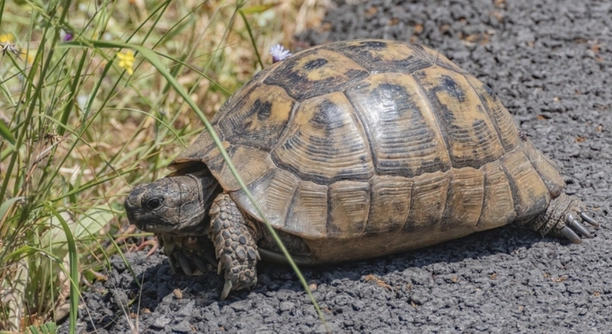
Greek tortoises are beloved pets for many, offering calm and interesting companionship. However, when they suddenly stop eating, it can be concerning for any pet owner. Understanding why this happens is key to addressing the issue.
Greek tortoises may stop eating due to stress, illness, or environmental changes. Common causes include improper temperature, dehydration, or a lack of variety in their diet. Identifying these issues early can help restore their appetite.
Addressing the cause of your tortoise’s loss of appetite is essential for its health. Let’s explore the factors that might be affecting your pet’s eating habits.
Stress from Environmental Changes
Changes in the environment can cause stress, which leads to a sudden loss of appetite. Greek tortoises are sensitive to shifts in their habitat, and even small adjustments in their surroundings can have an impact. A move to a new enclosure, changes in lighting, or even the presence of new pets or sounds can create anxiety for your tortoise. Stress can also come from improper humidity levels or frequent handling, both of which make your tortoise feel uncomfortable. When they feel threatened or unsettled, they may refuse to eat as a response.
If your tortoise isn’t eating, start by assessing its environment. Ensuring a stable, calm, and comfortable living space can help alleviate the stress.
Proper lighting, temperature, and humidity are essential. Make sure that the enclosure mimics its natural habitat, offering a place for the tortoise to retreat if needed. Consistency will help your tortoise adjust and reduce stress.
Illness and Health Problems
If a tortoise is unwell, it may not show obvious signs of illness right away, but lack of appetite is one of the first indicators. Common health problems that affect Greek tortoises include respiratory infections, parasites, and internal issues like kidney disease. These problems can cause a significant loss of appetite as the tortoise feels weak or uncomfortable. Without prompt treatment, the condition may worsen, making your tortoise’s refusal to eat even more pronounced.
Keep an eye out for other signs like wheezing, nasal discharge, or lethargy. If you notice these symptoms along with a lack of appetite, it’s time to consult a veterinarian.
A veterinarian can diagnose the issue with a physical exam and possibly blood tests. If your tortoise is suffering from parasites or an infection, your vet will recommend a course of treatment to restore its health and encourage normal eating again. Quick attention is key to helping your tortoise recover.
Incorrect Temperature and Lighting
Greek tortoises rely on specific temperature ranges to stay healthy. If the temperature in their enclosure is too high or too low, it can cause them stress and affect their eating habits. They need a heat gradient, where one side of the enclosure is warmer for basking and the other side is cooler for resting. Too much heat can overexert them, while a cool environment may slow down their metabolism, leading to a lack of appetite.
Check the temperature regularly to make sure it’s within the ideal range of 75-85°F during the day. Use a thermometer to measure both the cooler and warmer parts of the enclosure. At night, the temperature should drop slightly, but not too much. Providing the proper lighting is also essential. UVB light helps tortoises process calcium and maintain a healthy appetite. Without proper lighting, they may become lethargic and lose interest in food.
Adjusting the temperature and lighting will make your tortoise feel more comfortable and encourage it to eat. Proper lighting can also help them regulate their body clock, preventing stress.
Dehydration
Dehydration is a common reason Greek tortoises stop eating. If they don’t have access to fresh water or are not getting enough moisture from their food, it can cause them to feel weak, lethargic, and uninterested in food. Dehydration can also lead to serious health problems, so it’s crucial to address it quickly.
Ensure your tortoise has access to clean water at all times, and consider soaking them in warm water for 20-30 minutes a few times a week. This helps keep them hydrated, especially in dry conditions. Offer foods with high water content, like leafy greens and fruits, to help them stay hydrated as well. Dehydration can often go unnoticed until your tortoise starts refusing food, so it’s important to make hydration a priority.
If your tortoise still refuses to eat after addressing hydration, consider other factors like temperature and stress. In some cases, dehydration may be a sign of an underlying illness that requires veterinary care.
Lack of Variety in Diet
If your tortoise is being fed the same foods day after day, it may lose interest in eating. Greek tortoises enjoy a variety of foods, including leafy greens, flowers, and grasses. A monotonous diet can quickly lead to a lack of appetite.
Try offering a mix of different greens, such as dandelion leaves, kale, and collard greens. You can also include flowers like hibiscus or dandelions, which are not only tasty but also safe for them. Adding variety will keep your tortoise engaged and encourage healthy eating habits.
Overfeeding
Overfeeding can lead to your tortoise becoming disinterested in food. If your pet is given too much food too often, it may feel full and refuse to eat. The key is to feed the right portion sizes based on their age, size, and activity level.
Offer food once a day, and make sure to adjust portions as your tortoise grows. Avoid overfeeding high-calcium foods or treats, as they can also cause health issues. Overfeeding doesn’t just affect appetite—it can also contribute to obesity and other long-term problems.
Seasonal Changes
Greek tortoises are affected by the changing seasons. As the weather cools down, they may go into a state of brumation, which is a kind of hibernation. During this time, their activity levels drop and they may refuse to eat. This is a normal behavior.
In winter, Greek tortoises often eat less or stop eating altogether, so don’t be alarmed if this happens. It’s important to ensure that the temperature and humidity levels are stable during this time. If the brumation lasts too long or affects your tortoise’s health, consult with a vet.
FAQ
What should I do if my Greek tortoise suddenly stops eating?
If your Greek tortoise stops eating suddenly, start by assessing the temperature and lighting in its enclosure. Make sure they are within the correct range. Check for any signs of stress, such as changes in their environment or handling. Ensure they are hydrated and offer a variety of food. If no improvements are seen, a visit to the vet may be necessary.
How can I tell if my tortoise is stressed?
Signs of stress in Greek tortoises can include hiding more than usual, excessive pacing, or being more withdrawn. They may also stop eating or become lethargic. Stress often arises from environmental changes, such as a new pet or relocation, or improper temperature and humidity levels. Addressing these factors can help relieve their stress.
How do I know if my tortoise is dehydrated?
Dehydration in Greek tortoises can show as sunken eyes, a dry or cracked shell, and lethargy. A dehydrated tortoise will also refuse food. Regularly soaking your tortoise in warm water for 20-30 minutes can help maintain hydration. Providing access to fresh water and moisture-rich foods like leafy greens is also essential for their health.
Can Greek tortoises stop eating because of temperature problems?
Yes, incorrect temperature is a common reason Greek tortoises stop eating. If the enclosure is too cold or too hot, they may become inactive and refuse food. Ensure the temperature ranges between 75-85°F during the day and a slight drop at night. A heat lamp and UVB light are important for their digestion and appetite.
What kind of foods should I offer my Greek tortoise?
Greek tortoises need a diet consisting mainly of leafy greens, grasses, and some vegetables. Suitable foods include dandelion greens, collard greens, and romaine lettuce. You can also offer occasional fruits like strawberries or watermelon, but in moderation. Avoid feeding them high-calcium or high-oxalate foods too often.
Can Greek tortoises refuse food due to illness?
Yes, a loss of appetite can often be the first sign that your tortoise is ill. Common illnesses in Greek tortoises include respiratory infections, parasites, and kidney issues. If your tortoise shows other symptoms, such as nasal discharge, wheezing, or lethargy, it’s important to consult a vet to diagnose and treat the illness.
How often should I feed my Greek tortoise?
Greek tortoises should be fed once a day, especially if they are young or still growing. Adults can be fed every other day, but the portion sizes should still be appropriate for their size and activity level. Overfeeding can lead to obesity and loss of appetite, so be mindful of portion control.
Is it normal for my tortoise to stop eating during winter?
Yes, during the winter months, many Greek tortoises go into a state called brumation, which is similar to hibernation. During brumation, they eat less or stop eating altogether. This is a natural behavior, but it’s important to ensure that their environment remains stable and that they do not become too cold. If the brumation period lasts too long, seek veterinary advice.
Should I worry if my tortoise is not eating after a move?
Yes, a sudden change in environment can cause your tortoise to stop eating as it adjusts to its new surroundings. This could be due to stress, new temperatures, or unfamiliar smells. Give your tortoise time to adjust, but ensure that the enclosure is set up correctly with the proper temperature, humidity, and lighting.
Can my tortoise stop eating if it’s overweight?
Yes, an overweight tortoise may stop eating due to decreased activity or a lack of appetite. Overfeeding or offering high-calorie foods too often can cause your tortoise to become overweight. Make sure to offer appropriate portions and monitor your tortoise’s weight. A proper diet and exercise will help maintain a healthy appetite.
What if my tortoise stops eating after handling?
If your tortoise stops eating after being handled, it could be a sign of stress. Excessive handling or rough handling can cause your tortoise to feel unsafe or anxious, leading to a lack of appetite. Minimize handling and provide a peaceful, stable environment to help your tortoise feel more comfortable.
Can Greek tortoises be picky eaters?
Greek tortoises can sometimes be picky, especially if they are offered the same foods repeatedly. They need variety in their diet to stay interested in eating. Offer a mix of leafy greens, flowers, and other safe vegetables to keep their meals exciting and nutritious. Avoid feeding the same food daily.
Should I be concerned if my tortoise is eating less than usual?
If your tortoise is eating less than usual but still seems active, it may not be a cause for concern. However, if the decrease in appetite continues for several days or is accompanied by other signs of illness, such as lethargy, it is important to consult with a vet to rule out any health issues.
Final Thoughts
If your Greek tortoise suddenly stops eating, it’s important to approach the situation carefully. While it can be concerning, many reasons can explain a lack of appetite, such as stress, dehydration, illness, or environmental factors. The first step should always be to assess their surroundings. Check the temperature and lighting to make sure they’re within the appropriate ranges. A well-balanced diet and proper hydration are also crucial. If the tortoise is not eating but seems otherwise healthy, it’s worth observing for a few days before seeking help.
However, if the refusal to eat lasts for an extended period or is accompanied by other symptoms like lethargy, nasal discharge, or wheezing, it’s time to consult a vet. Illnesses like respiratory infections, parasites, or kidney issues are common in Greek tortoises and can significantly impact their appetite. A vet will be able to determine the exact cause and guide you on the necessary treatments. Always take action promptly when your tortoise’s health seems off.
Remember that Greek tortoises are sensitive creatures. They require a stable, calm environment and a consistent routine. Sudden changes can lead to stress, which can cause them to stop eating. Additionally, feeding them a variety of fresh foods and maintaining proper hydration will help keep them healthy. If you’ve ruled out stress, dehydration, and illness, and your tortoise still refuses food, it may just need time to adjust. Patience is key, but monitoring their health is important to ensure a long, happy life.

Hello,
If you enjoy the content that we create, please consider saying a "Thank You!" by leaving a tip.
Every little bit helps us continue crafting quality advice that supports the health, happiness, and well-being of pets around the world, for pets of all shapes, sizes, and species.
We really appreciate the kindness and support that you show us!