
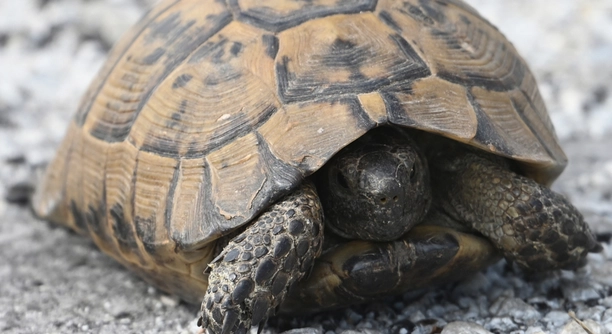
Greek tortoises are known for basking, but sometimes they refuse to bask as they should. Understanding the reasons behind this behavior can help ensure their health and well-being. There are a variety of factors that could be at play.
Greek tortoises might refuse to bask due to a variety of reasons, including improper temperature, stress, or illness. If environmental conditions aren’t optimal or they feel threatened, they may avoid basking altogether, which can impact their health.
Identifying the underlying causes will allow you to provide a better environment for your tortoise. Understanding these factors can help you address the issue and encourage your tortoise to bask regularly for proper health.
Improper Temperature
A Greek tortoise’s basking behavior heavily depends on temperature. If the basking area is too hot or too cold, your tortoise might refuse to bask. Tortoises are cold-blooded creatures, so they rely on their environment to regulate their body temperature. The basking spot should ideally be between 90°F and 95°F (32°C and 35°C), with a cool area ranging from 75°F to 85°F (24°C to 29°C). A temperature outside this range can make them uncomfortable, causing them to avoid basking.
Checking the temperature regularly with a reliable thermometer will ensure your tortoise is kept in the best conditions. Adjusting the heating sources such as lamps or heat mats can help maintain the proper temperature gradient for them. It’s also important to ensure there is no excessive fluctuation in temperature, which could stress them out.
If your tortoise’s basking area isn’t at the ideal temperature, it could lead to lethargy, digestive issues, or even prevent them from basking altogether. Addressing temperature issues is one of the first steps in resolving this problem. Make sure to regularly monitor the temperatures and adjust accordingly.
Stress and Fear
Stress can lead to a tortoise avoiding basking.
Stress factors like loud noises, sudden changes in their habitat, or too much handling can make your tortoise feel unsafe. When a tortoise is stressed, it may retreat into its shell or hide instead of basking. This behavior can be particularly noticeable if you’ve recently moved your tortoise to a new environment or made significant changes to its enclosure.
To reduce stress, create a calm, quiet space for your tortoise. Keep the habitat consistent, with minimal disturbances. If you handle your tortoise too much, it may become overwhelmed. Limit interactions and allow your tortoise to adjust at its own pace. Properly arranged hiding spots also provide security, ensuring your tortoise feels safe enough to bask.
Ensuring that your tortoise is comfortable in its environment will help reduce stress. This makes it more likely for them to bask regularly. A happy, comfortable tortoise will feel secure enough to enjoy the warmth and light.
Illness or Injury
If your Greek tortoise isn’t basking, an underlying health issue could be the reason. Illnesses like respiratory infections, parasites, or shell problems can make your tortoise feel weak and unwilling to bask. Similarly, injuries or discomfort from an untreated wound might cause them to avoid the warmth.
If you notice any other signs, such as lethargy, reduced appetite, or abnormal behavior, it could be time to visit a vet. A proper diagnosis is important because untreated illnesses or injuries can worsen over time, leading to serious complications. Keep an eye out for symptoms and seek professional help if needed.
When a tortoise is sick, it often seeks shelter or stays in one spot, not bothering to bask. This behavior is a signal that something is wrong. Early intervention is key to preventing further health issues. If you suspect your tortoise is ill or injured, taking them to a vet is the best way to ensure proper care and treatment.
Lighting Problems
Lighting plays an essential role in a tortoise’s health and behavior. Without the proper UVB light, your Greek tortoise may avoid basking, as UVB light helps them metabolize calcium. If your light source isn’t providing enough UVB rays, it could be a major reason your tortoise refuses to bask.
Over time, even the best UVB bulbs lose their effectiveness, so it’s important to replace them regularly, typically every 6-12 months. Without proper UVB lighting, your tortoise may not be able to absorb essential nutrients, which could lead to health problems like shell deformities or metabolic bone disease. Make sure the light is positioned in a way that your tortoise can easily access it.
Not all lights are created equal, so ensure you’re using a high-quality UVB bulb designed for reptiles. Sometimes, inadequate lighting or poor placement can also result in a temperature imbalance. Check the manufacturer’s instructions for optimal placement and the distance between the bulb and your tortoise. This will help create a healthier environment where basking becomes a natural behavior again.
Overfeeding
Overfeeding can lead to sluggish behavior in Greek tortoises, making them less likely to bask. When they are given too much food, particularly high-protein items, they may feel too full or lethargic to engage in their usual activities, including basking.
It’s essential to provide balanced meals and avoid overfeeding. Feeding them large portions, especially if they aren’t eating enough fiber or greens, can cause digestive issues. This can also affect their energy levels, making basking less appealing. Adjust their diet to avoid excess calories and provide a more active, healthy lifestyle.
The right balance in diet will encourage your tortoise to move around more and naturally engage in basking. If you find your tortoise is avoiding basking and seems sluggish, cut back on their food portions. Ensure the meals are nutrient-rich and suitable for their species.
Too Much Handling
Excessive handling of your tortoise can cause stress and lead to avoidance of basking. Tortoises, while social, are not meant to be handled constantly. Frequent handling can disrupt their natural routines and cause them to retreat into their shells.
Reducing the amount of time you handle your tortoise will help it feel more secure. When you do handle them, keep the interactions short and gentle. Constant handling can lead to stress, which may make your tortoise less inclined to bask in a warm, open spot. Allow them to have more quiet, undisturbed time.
Creating a stable, low-stress environment will help your tortoise feel safe and comfortable enough to bask regularly. A good balance of interactions and space will keep them healthier and more active.
Poor Habitat Setup
A poorly set up habitat can make your tortoise feel unsafe, which may result in avoiding basking. If the enclosure lacks proper lighting, heating, or hiding spaces, your tortoise might retreat and refuse to bask.
Ensure the enclosure is spacious enough for your tortoise to feel comfortable. The habitat should include areas with a temperature gradient, places to hide, and easy access to UVB light. An environment with too much clutter or no way for your tortoise to escape from light or heat can discourage basking. Proper space and setup are key to a happy and healthy tortoise.
If the habitat setup is not ideal, your tortoise could experience stress and avoid basking altogether. Make necessary adjustments to meet their natural needs for warmth, light, and security.
FAQ
Why is my Greek tortoise not basking?
There are several reasons why your Greek tortoise might refuse to bask. It could be due to improper temperature, inadequate lighting, stress, or illness. If the basking area is either too hot or too cold, your tortoise may avoid it. Lighting is another key factor, especially UVB light, which is essential for their health. If they are stressed by changes in their environment or excessive handling, they might retreat into their shell and avoid basking. Health issues, including respiratory infections or digestive problems, can also cause them to skip basking sessions. It’s important to rule out these factors and make sure their environment is comfortable and healthy.
How do I know if my tortoise is stressed?
Signs of stress in a Greek tortoise can include hiding more than usual, not eating, or becoming less active. They may also become more defensive or exhibit behaviors like pacing around their enclosure. If you notice your tortoise constantly retreating into its shell, it could be a sign of stress. Stress can be caused by many things, such as changes in the environment, loud noises, or too much handling. Keeping the environment stable and quiet, and giving your tortoise space to feel secure, will help reduce stress and encourage more natural behaviors like basking.
What temperature should my Greek tortoise’s basking area be?
The ideal temperature for a Greek tortoise’s basking spot is between 90°F and 95°F (32°C to 35°C). This range ensures that your tortoise gets enough warmth to help with digestion and overall metabolism. The surrounding area should be cooler, with temperatures between 75°F and 85°F (24°C to 29°C). If the basking spot is too hot or too cold, your tortoise may avoid it. It’s also important to have a good temperature gradient in the enclosure so your tortoise can regulate its body temperature by moving between warmer and cooler areas.
How long should I leave the basking light on?
Basking lights should typically be left on for 10 to 12 hours a day to mimic the natural sunlight cycle. This helps your tortoise maintain its natural day-night rhythm and provides the UVB rays necessary for calcium absorption and overall health. At night, it’s important to turn off the basking light and provide a cooler, dark environment for your tortoise to rest. If you use a UVB bulb, remember to replace it every 6-12 months, as they lose their effectiveness over time, even if the light is still visible.
Can my tortoise bask too much?
While basking is essential for your tortoise’s health, they can’t really bask “too much.” However, it’s important to make sure they have access to areas with different temperatures. Overheating can still be an issue if they stay in a basking spot for too long without moving to a cooler area. If your tortoise seems overly lethargic or is not moving around, it could be a sign of excessive heat, and you should check the temperatures and adjust accordingly. A proper temperature gradient ensures your tortoise can move to a cooler area when needed.
What should I do if my tortoise stops eating?
If your Greek tortoise stops eating, it’s a sign that something might be wrong. It could be related to temperature, illness, stress, or even overfeeding. If the temperature is incorrect, your tortoise might feel too cold or hot to eat. Stress from handling or changes in the environment can also make them lose their appetite. Illnesses like respiratory infections or digestive problems can cause a loss of appetite as well. If your tortoise isn’t eating for more than a few days, it’s a good idea to consult a vet to rule out any underlying health problems.
How do I set up the perfect habitat for my Greek tortoise?
A proper habitat setup is crucial to your tortoise’s well-being. Make sure the enclosure has a basking area with the appropriate temperature range of 90°F to 95°F, and a cooler area between 75°F and 85°F. The habitat should also have access to UVB lighting, which is necessary for calcium absorption and overall health. Provide plenty of hiding spots and secure places for your tortoise to retreat when it feels stressed. Substrate like coconut coir or a mixture of soil and sand works well for them. It’s also important to keep the habitat clean, as dirty conditions can lead to health problems.
How often should I handle my Greek tortoise?
Handling your Greek tortoise should be done sparingly. While they can tolerate occasional handling, they prefer a calm, quiet environment and too much interaction can stress them out. Handling your tortoise too often can disrupt their natural behavior, including basking. It’s best to limit handling to a few times a week, especially if they seem stressed. Let them explore their enclosure on their own terms, and provide plenty of time for them to bask, eat, and rest. Over time, your tortoise will become more comfortable with you, but always prioritize their need for peace and security.
Can a dirty enclosure affect my tortoise’s basking?
Yes, a dirty enclosure can lead to stress and discomfort for your tortoise, which may make them avoid basking. If the substrate is wet, moldy, or soiled, it can create an unpleasant environment. A dirty enclosure can also harbor bacteria and parasites, which may lead to illness and cause your tortoise to feel unwell, reducing their willingness to bask. Regularly clean your tortoise’s enclosure by removing waste, changing the substrate, and disinfecting surfaces to ensure they have a clean and safe space to bask in.
Why is my tortoise spending too much time in its shell?
Spending too much time in their shell can be a sign of stress, illness, or environmental issues. If your tortoise is avoiding basking and staying in its shell, it could be feeling insecure or uncomfortable. Stress factors like noise, handling, or changes in their environment can make them retreat into their shell. Illnesses like respiratory infections or digestive problems can also cause lethargy and avoidance of basking. It’s important to monitor for any other signs of distress, such as reduced appetite or abnormal behavior, and consult a vet if necessary.
Final Thoughts
Understanding why your Greek tortoise may refuse to bask is an important step in ensuring its health and well-being. There are many factors that can influence a tortoise’s basking habits, including improper temperature, stress, health issues, or environmental factors. By paying attention to your tortoise’s behavior and the setup of its habitat, you can often pinpoint the cause of the issue and make the necessary adjustments. Whether it’s adjusting the temperature, providing a more secure environment, or addressing health concerns, taking a careful, thoughtful approach will help your tortoise feel more comfortable.
It’s important to remember that tortoises, like all animals, have individual preferences and needs. What works for one tortoise might not be the best for another. Observing your tortoise regularly and being mindful of any changes in its behavior or routine can help you catch potential problems early. The more you understand about their natural behaviors and how their environment affects them, the better you can provide a comfortable, safe space for your tortoise to thrive. Regular care and attention can prevent many issues from arising.
In the end, a tortoise that avoids basking can often be helped by making simple changes. Ensure that the basking area is the correct temperature, the lighting is adequate, and the environment is calm. Reducing stress and improving the setup will encourage your tortoise to bask more regularly. If issues persist despite making adjustments, don’t hesitate to consult a vet. Addressing concerns early is key to maintaining your tortoise’s health and happiness.

Hello,
If you enjoy the content that we create, please consider saying a "Thank You!" by leaving a tip.
Every little bit helps us continue crafting quality advice that supports the health, happiness, and well-being of pets around the world, for pets of all shapes, sizes, and species.
We really appreciate the kindness and support that you show us!